5 hr
Vancouver Whale & Wildlife Watching Expedition
- Entry ticket
- Mobile voucher
- Valid same day
- Free cancellation
Whale Watching Port Townsend Washington — Orca & Humpback Expeditions
Track resident orcas through the Salish Sea, where Victorian seaport meets marine sanctuary.
Compare fares, pick the fit — all bookings are mobile-voucher and eligible for free cancellation where shown.
5 hr
3 hr 30 min
4 hr
Selecting the right whale watching port townsend washington tour depends on your available time and desire to explore the nearby San Juan Islands. These excursions provide various ways to experience local marine life in the Salish Sea.
|
Top pick Half-Day Tour Standard Access |
Full-Day Tour Extended Access | |
|---|---|---|
| Duration | 3-4 hours | 8 hours |
| Wildlife Guarantee | Yes | Yes |
| Lunch Stop | No | 2 hours in Friday Harbor |
| Vessel Amenities | Heated cabin and galley | Heated cabin and galley |
| Best for | First-timers and busy schedules | Deep-sea exploration enthusiasts |
| See tickets & prices |
Verdict: For the best balance of wildlife viewing and flexibility, most first-time visitors prefer the half-day whale watching port townsend washington tour.
Worth it for wildlife enthusiasts and nature seekers
Whale watching Port Townsend Washington tours typically run $125 for a half-day expedition, positioning them competitively against similar Salish Sea offerings from Anacortes, Seattle, and Victoria. What separates Port Townsend operators is access to prime orca feeding grounds near the San Juan Islands, where Southern Resident and transient killer whale pods converge seasonally. Onboard naturalists provide ecological context that transforms passive viewing into meaningful education about marine mammal conservation. The Salish Sea ecosystem supports not just orcas but humpback whales, gray whales, Dall's porpoises, and harbor seals—biodiversity few coastal regions match. For visitors prioritizing authentic wildlife encounters over guaranteed sightings, the investment pays off. Those expecting theme-park predictability or indoor comforts may find the experience underwhelming, particularly during rough weather or slow migration periods when cetacean activity drops. The tour delivers strongest value for travelers who grasp that rarity and ecological significance outweigh entertainment guarantees.
Bottom line: If you value ecological depth and accept that wild animals set the schedule, whale watching Port Townsend Washington tours justify the cost through unmatched Salish Sea access and naturalist expertise.
They complement each other; most visitors who do both call the San Juan Islands a more intense wildlife immersion, while whale watching port townsend washington tours offer a more relaxed, scenic journey through the Salish Sea.
|
Top pick Port Townsend |
San Juan Island | |
|---|---|---|
| Duration | 4 hours | 3–4 hours |
| Price (Adult) | 125 USD (summer) | 119–129 USD (summer) |
| Primary Focus | Scenery and whales | Direct wildlife sightings |
| Departure Point | Port Townsend Marina | Friday Harbor/Anacortes |
| Vessel Type | Jet-powered cruisers | Varied (Zodiacs/Cruisers) |
| Transit Required | No | Yes (Ferry/Flight) |
| Sightings Guarantee | Yes | Yes |
| See tickets & prices |
Verdict: Choose the whale watching port townsend washington tour if you prefer a convenient, stress-free departure from the peninsula, or select a San Juan Island whale watching port townsend washington ticket if you want the highest density of island-based wildlife encounters.
Hand-picked experiences loved by thousands of travelers
4 hours
Free Cancellation
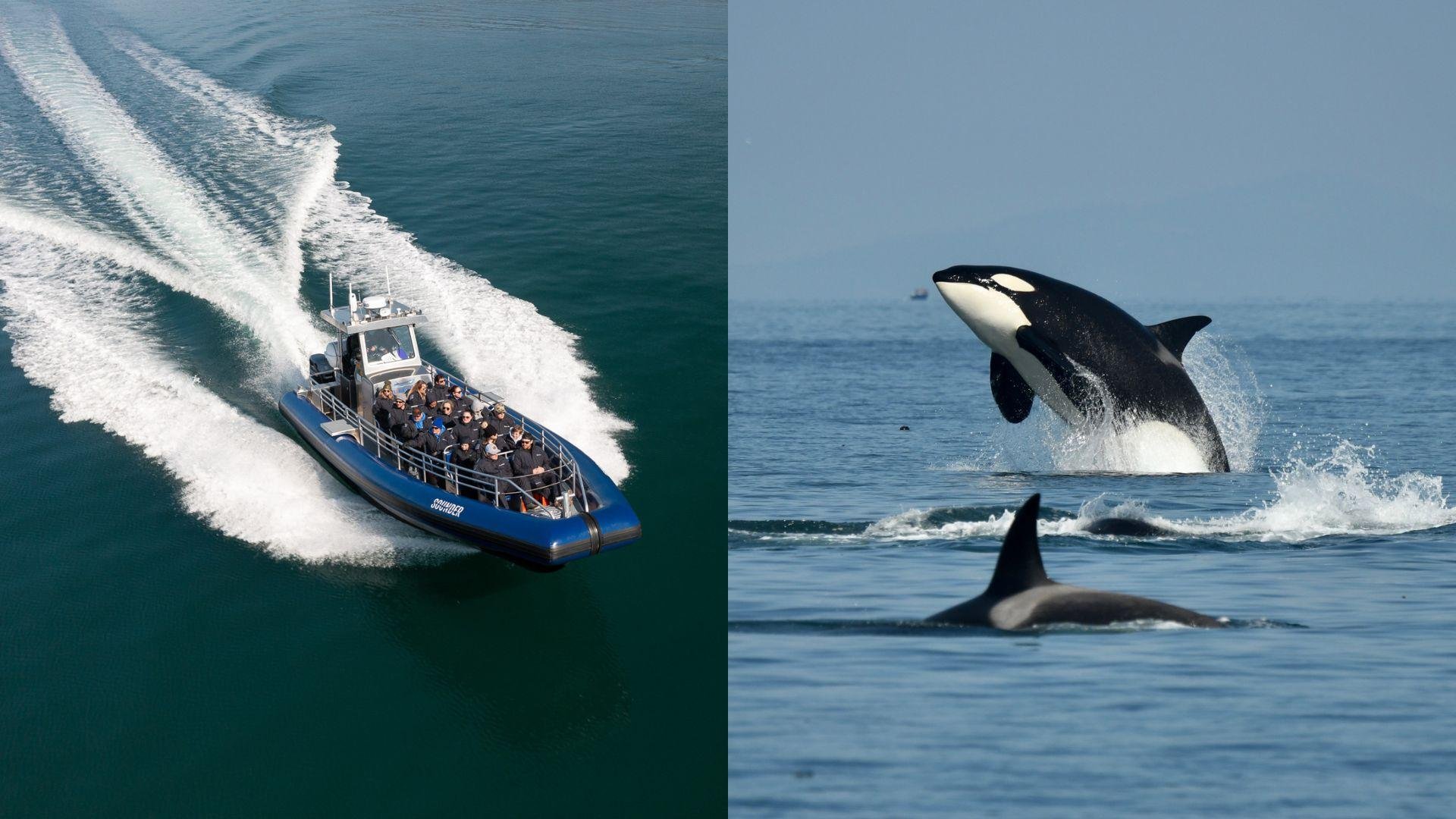
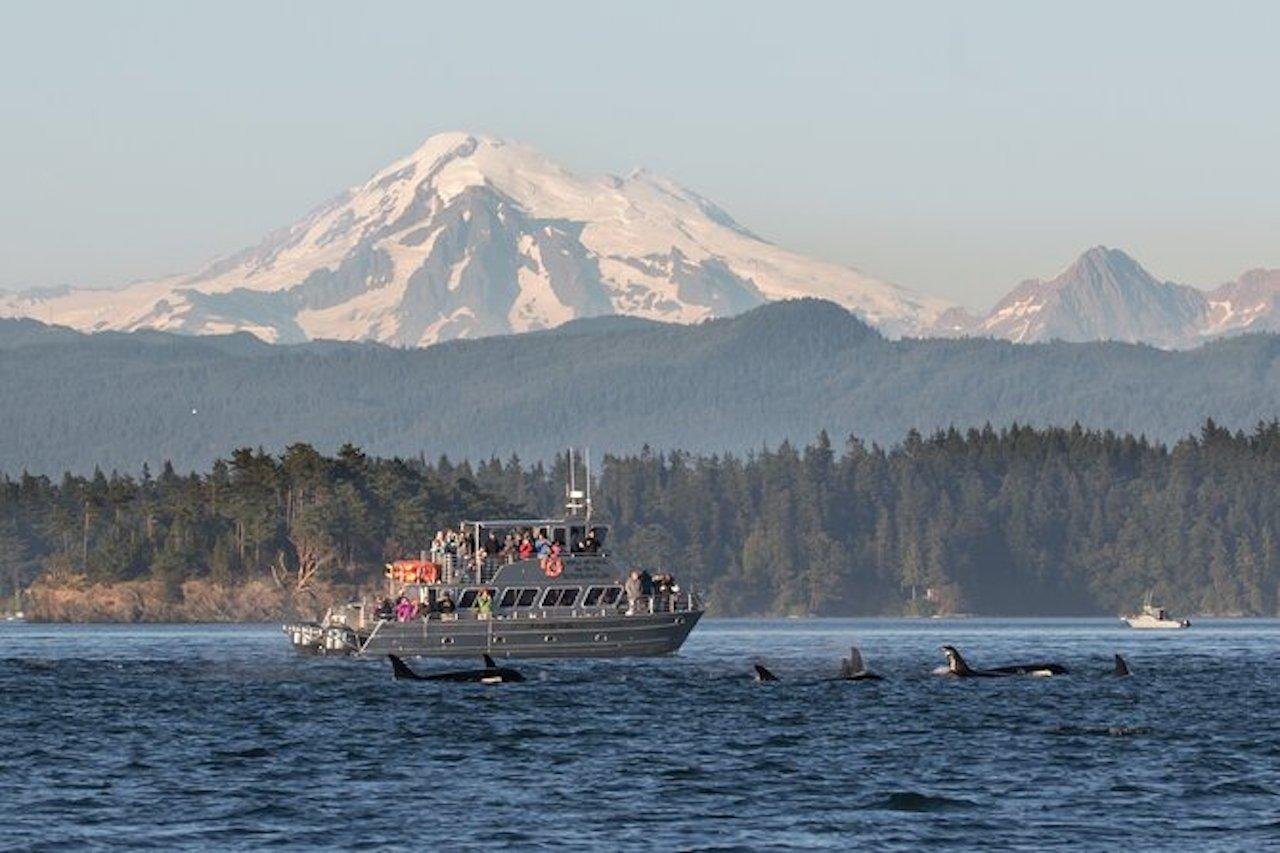
Explore the Salish Sea aboard a custom catamaran in search of orcas, humpbacks, and coastal wildlife
3.5 hours
Free Cancellation
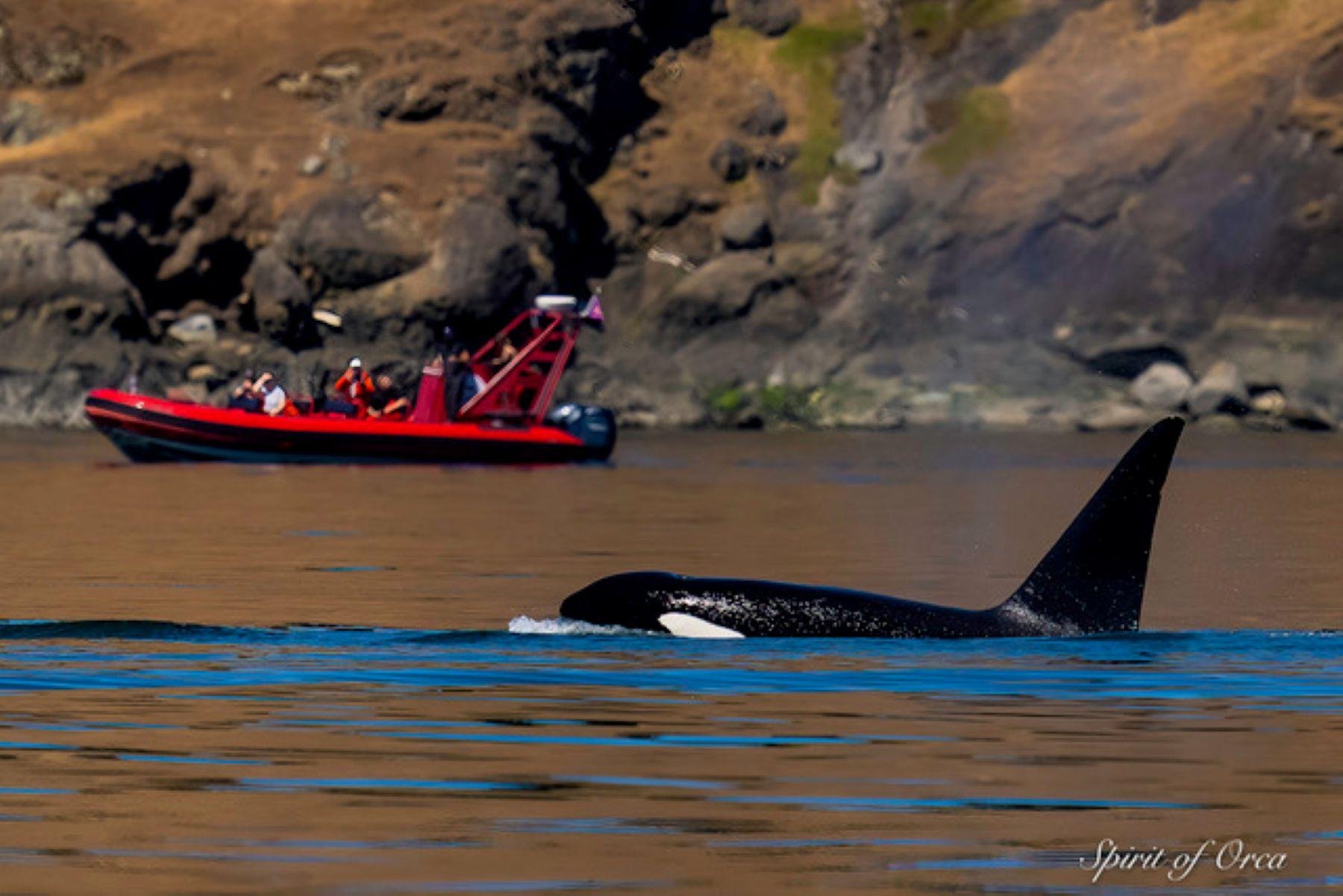
Track orcas, humpbacks, and marine life aboard a thrilling zodiac vessel in the San Juan Islands
4 hours
Free Cancellation
Four-hour marine wildlife expedition spotting orcas, humpbacks, seals, and seabirds in Pacific Northwest waters
3.5 hours
Free Cancellation
High-speed marine wildlife expedition with over 98% whale sighting success rate in the San Juan Islands
1 hour
Free Cancellation
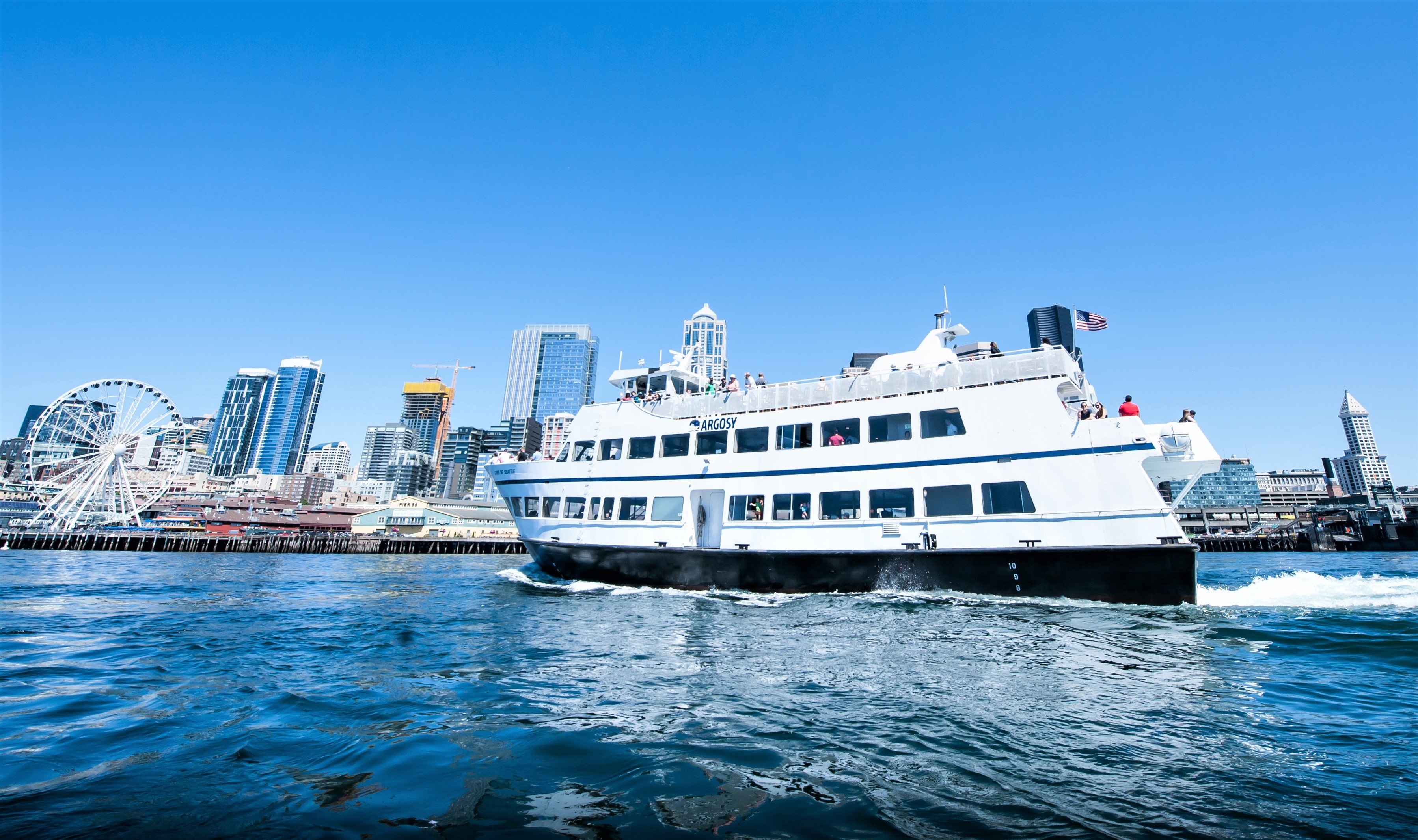
One-hour waterfront voyage showcasing iconic city landmarks and mountain vistas from the water
2 hours
Free Cancellation
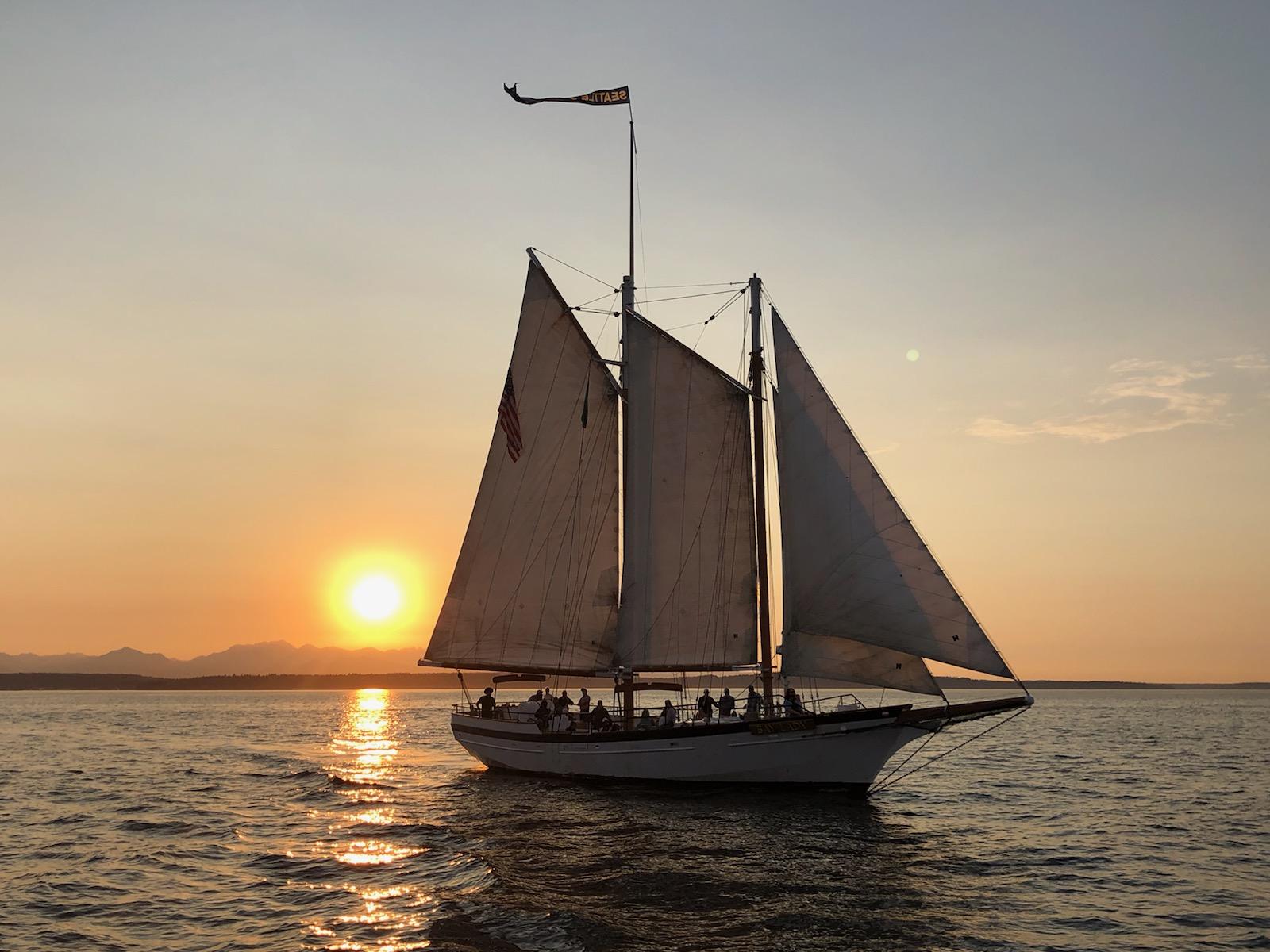
Glide through Elliott Bay aboard a classic tall ship as golden hour paints the Olympic Mountains
4 hours
Free Cancellation
Navigate coastal waters with Indigenous guides sharing ancestral knowledge, spotting marine life while savoring traditional tea
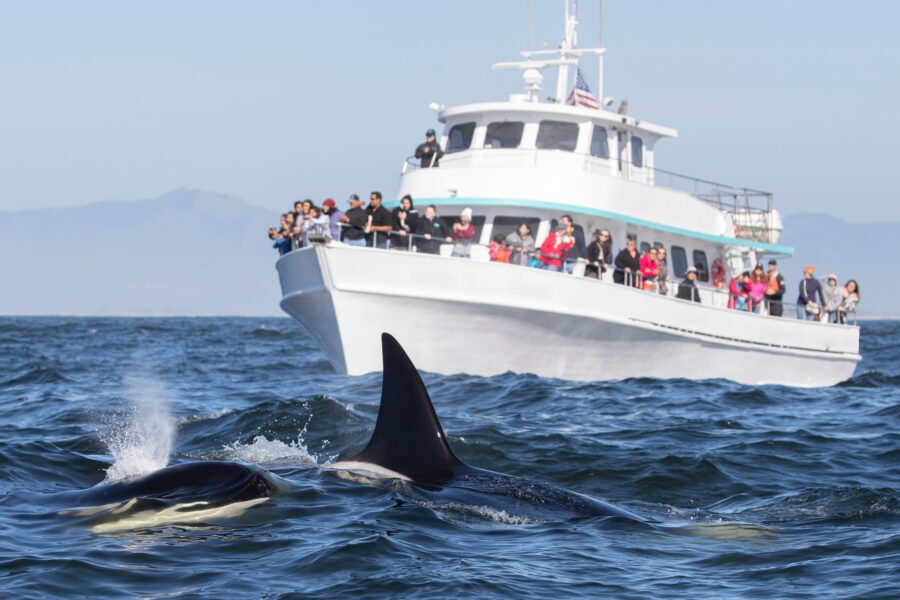
You board at the Jackson Street marina at 9:30, stepping onto a high-speed vessel designed for open-water transit and close-range observation. The naturalist briefs you on the day's plan — radio chatter from other boats and whale-spotting networks narrows the search grid to a 20-mile radius.
You clear Port Townsend Bay and accelerate northwest into the Strait of Juan de Fuca, the Olympic Mountains rising 7,000 feet to your left, the San Juan archipelago scattered ahead.
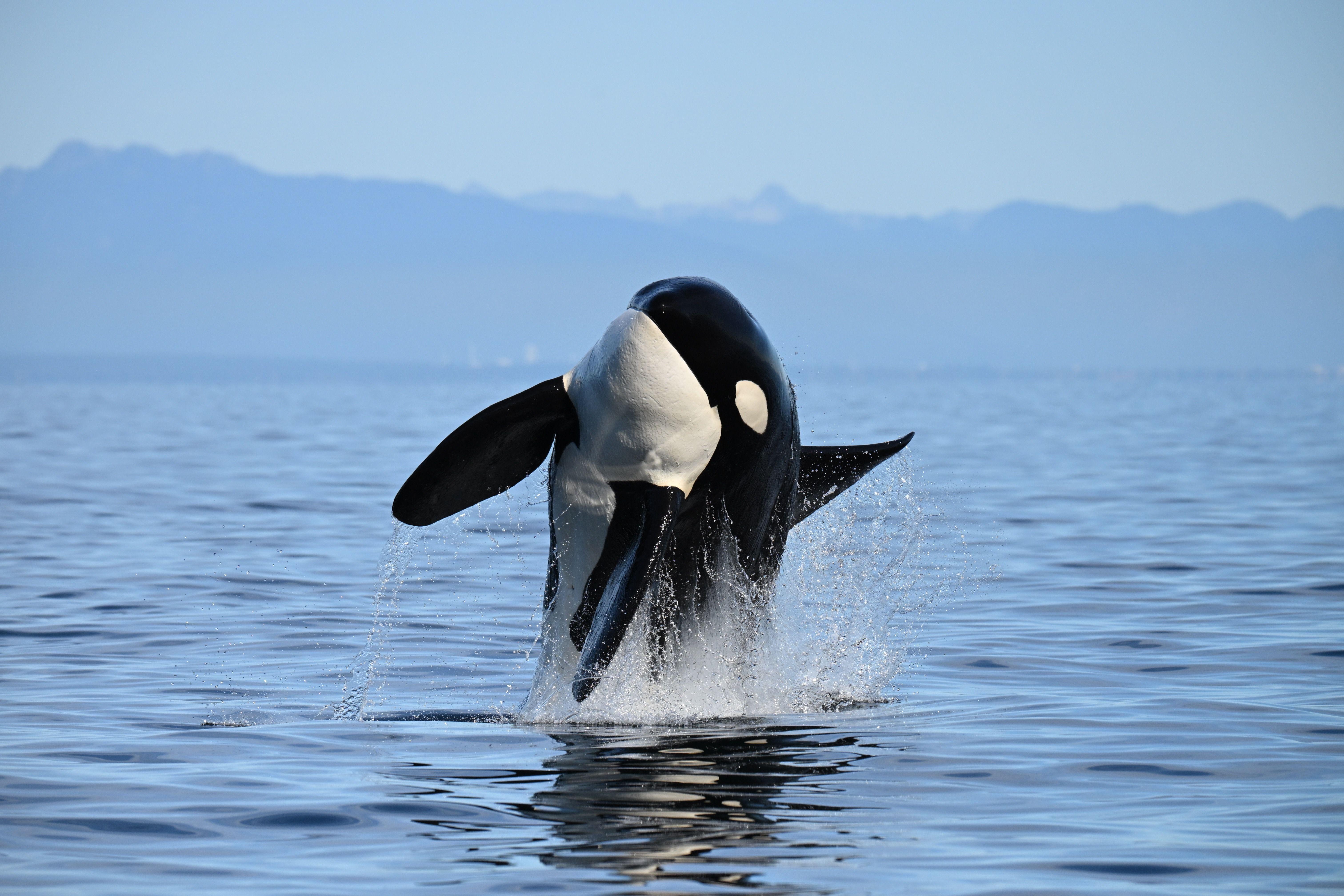
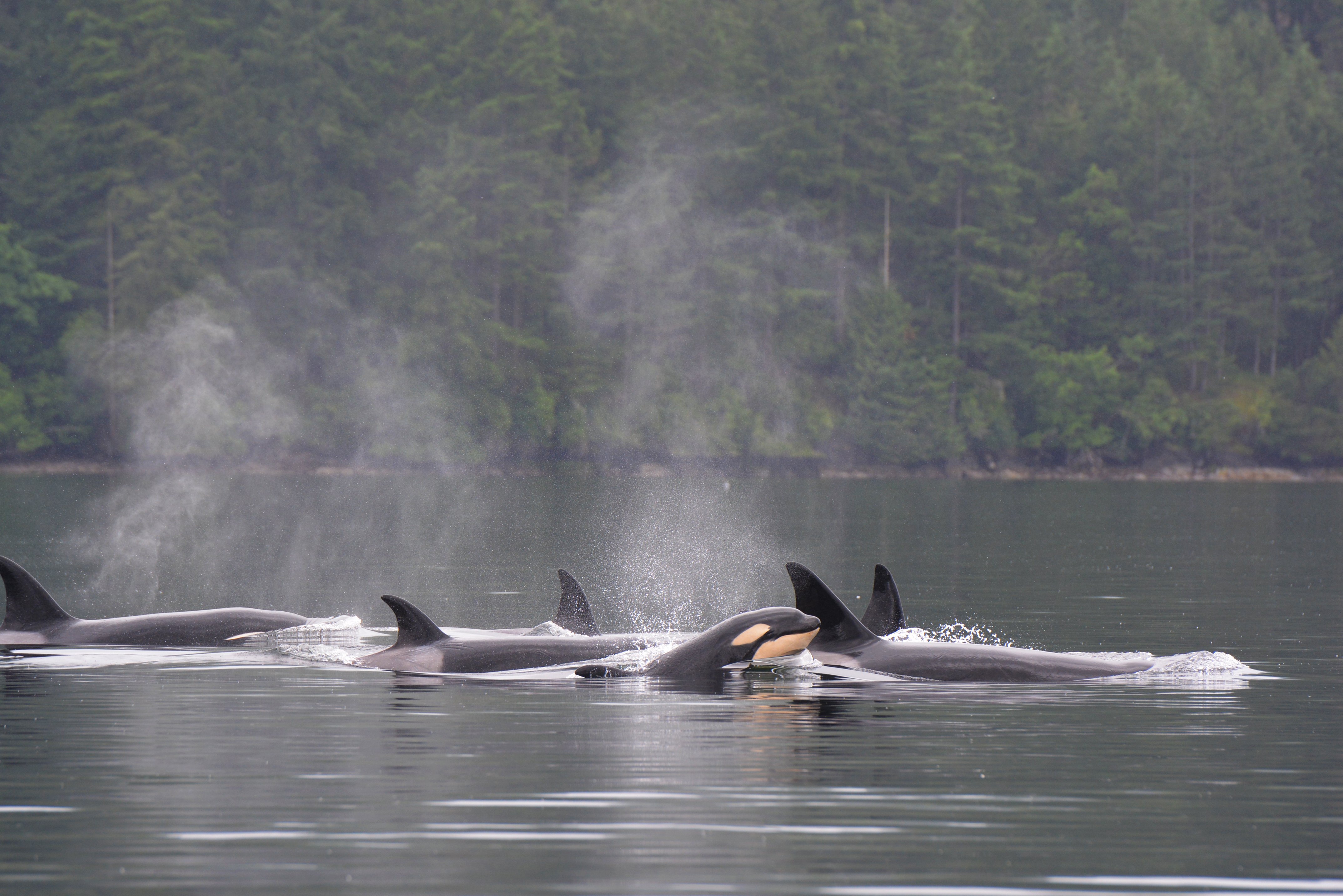
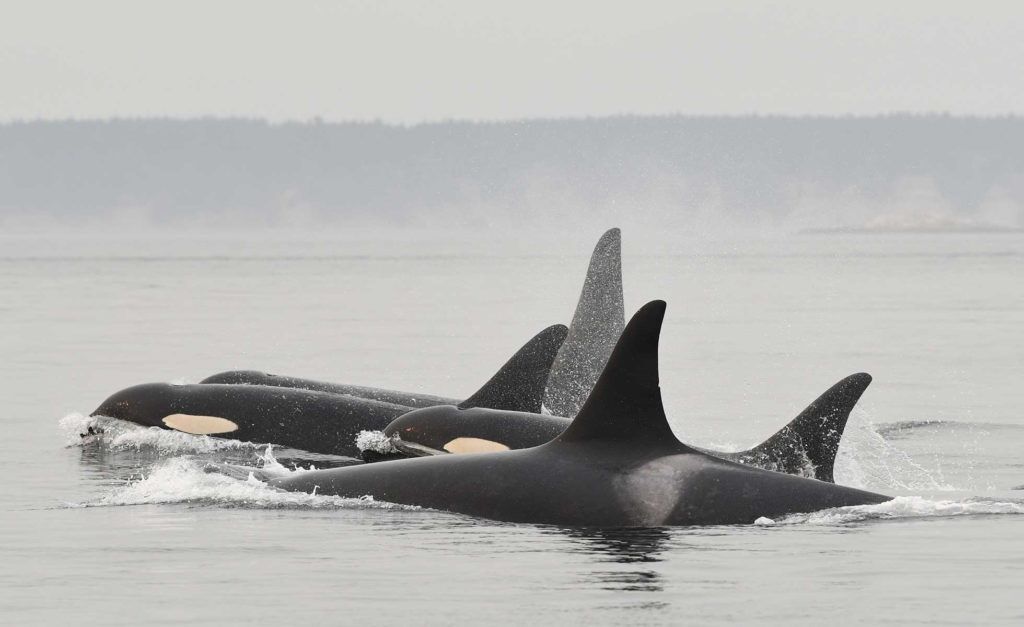
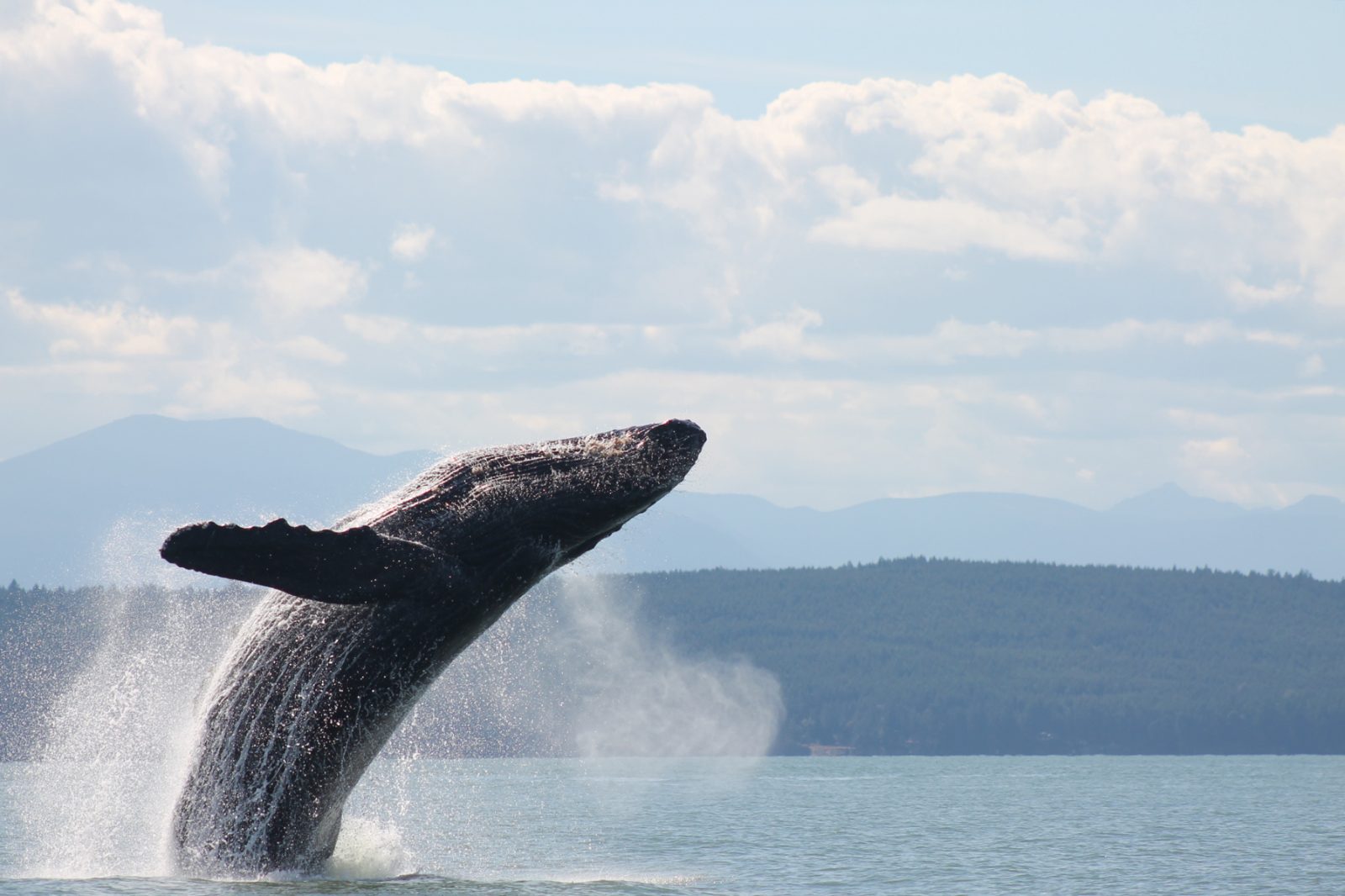
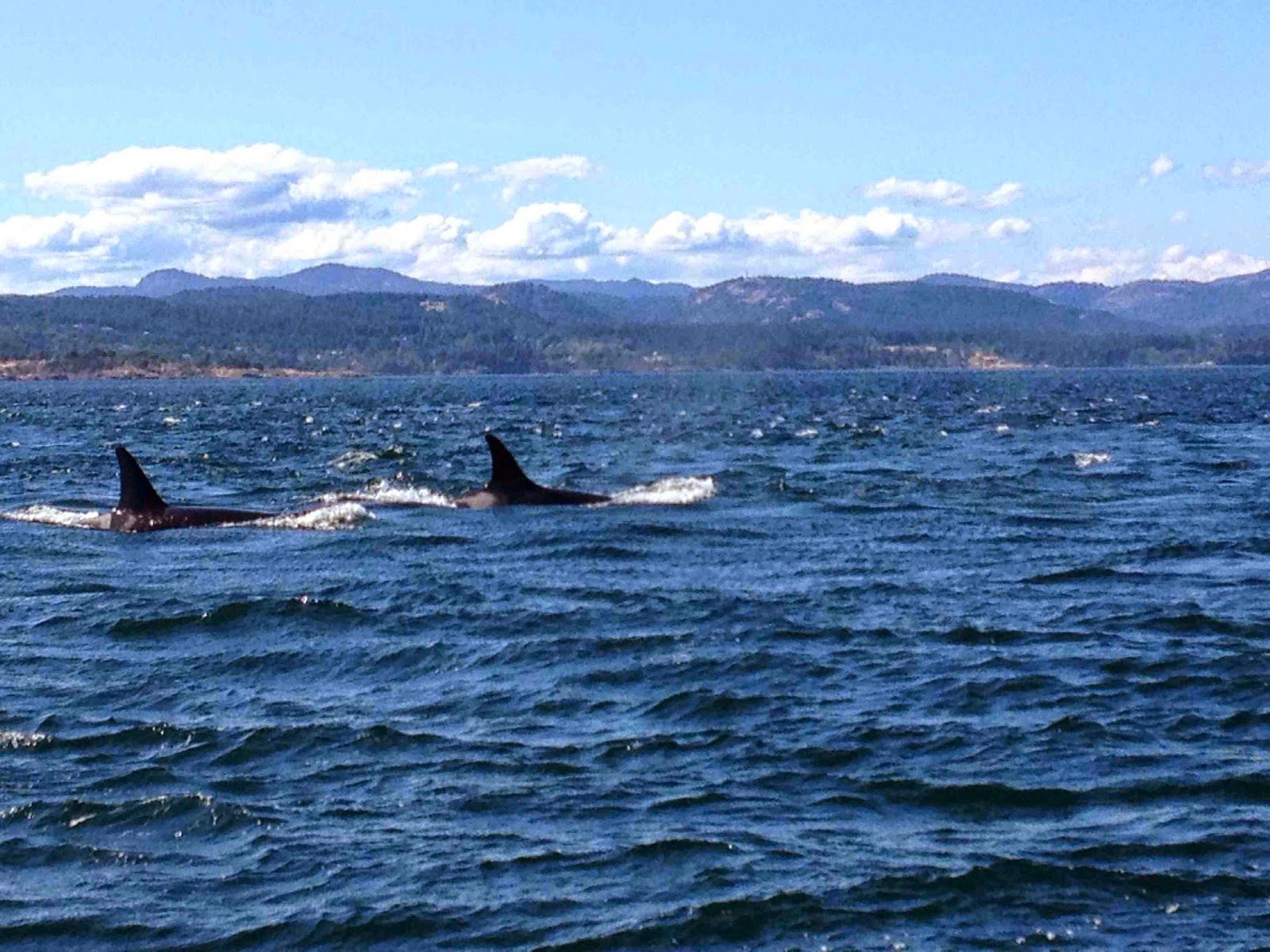
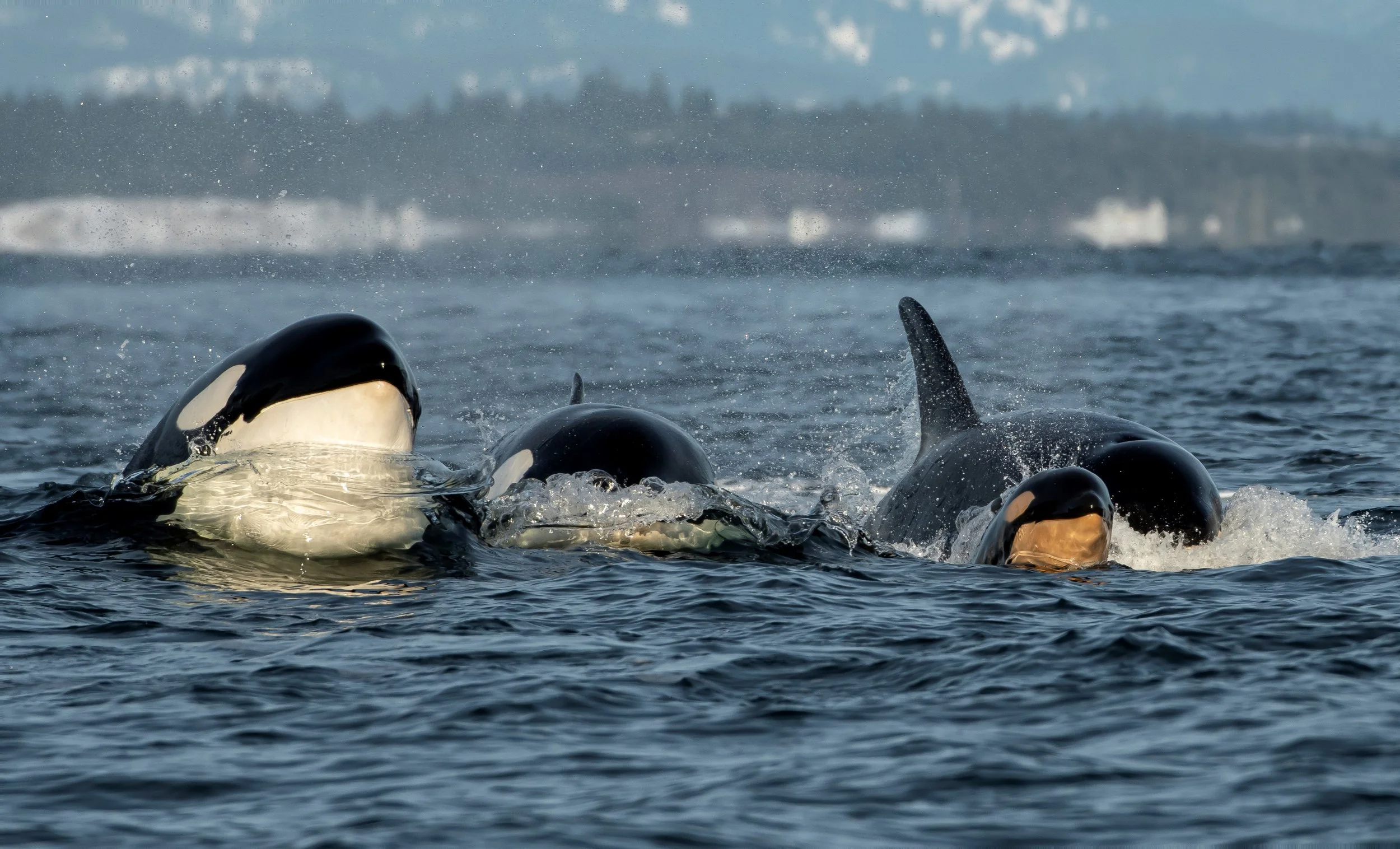
The captain cuts the engine. A dorsal fin slices the surface 150 yards off the bow — then two more, then five. The orcas surface in synchronized intervals, their exhalations audible across the water, breath clouds hanging in the cool air. The naturalist identifies the pod by saddle patch: J-pod, the most frequently sighted of the Southern Residents. You watch them hunt, coordinating dives, flanking a salmon school against the current. A juvenile breaches, twisting mid-air before crashing back.
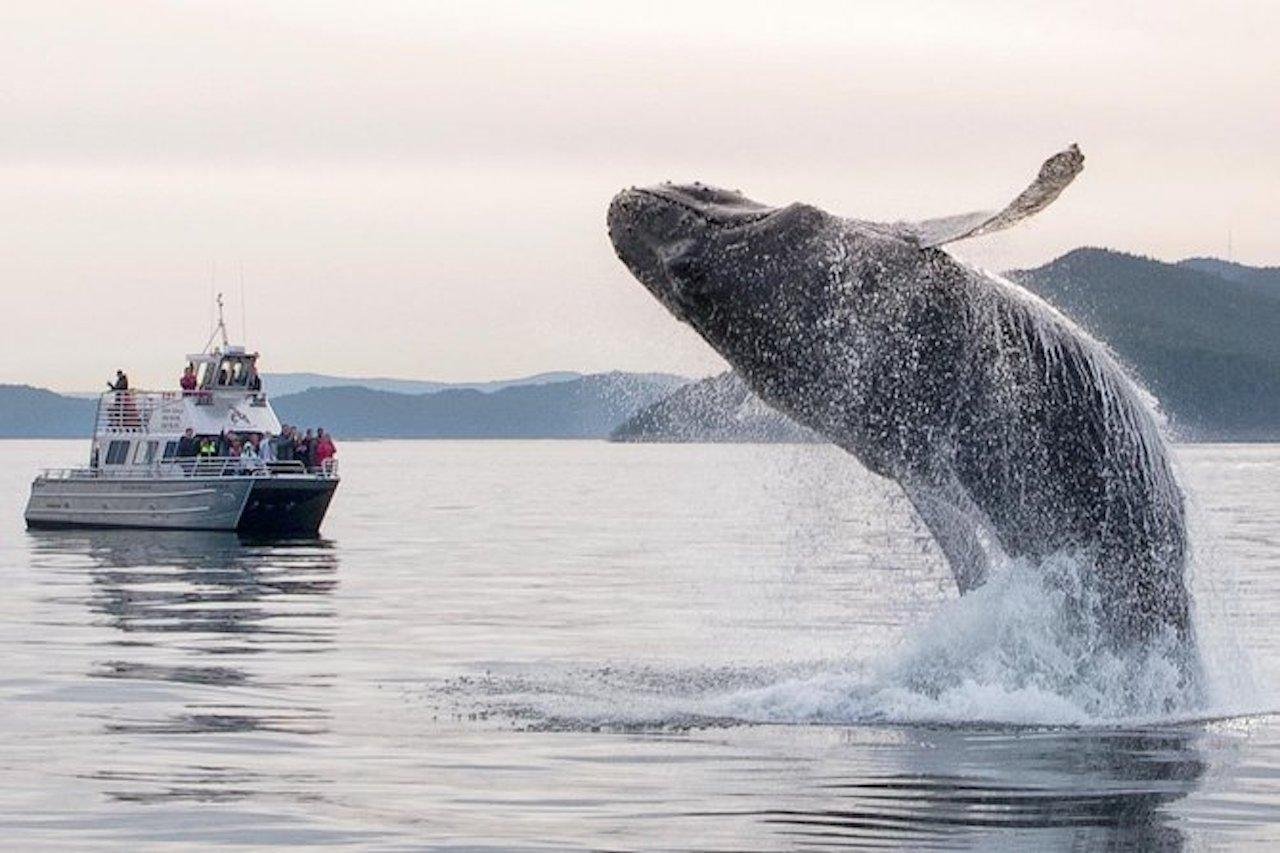
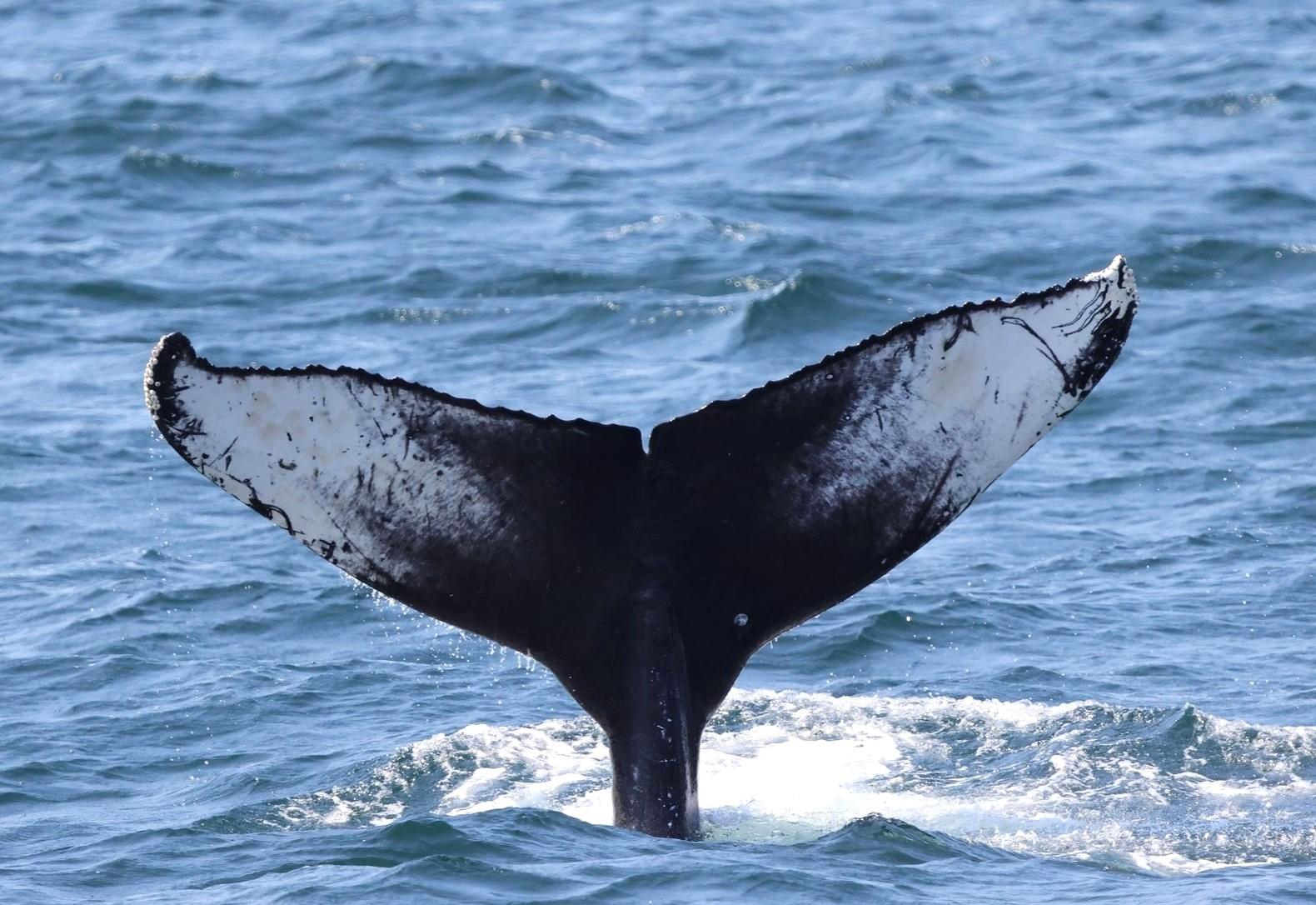
You drift for 40 minutes as the pod moves east toward Admiralty Inlet. A humpback surfaces a quarter-mile south, fluke raised as it dives. Bald eagles circle overhead. The return transit takes an hour, the Olympic skyline sharpening as you approach the harbor.
All the details about your upcoming adventure in one place
Port Townsend sits at the confluence of three critical marine corridors — the Strait of Juan de Fuca, Admiralty Inlet, and the broader Salish Sea — making it one of the Pacific Northwest's most reliable stations for tracking both resident and transient orca pods.
The Southern Resident orcas, comprising J, K, and L pods with fewer than 75 individuals remaining, frequent these waters from May through October, following Chinook salmon runs that have sustained them for millennia. Humpback whales, once decimated by commercial whaling, have rebounded to over 300 individuals cataloged in the Salish Sea since protective measures began in the 1970s. Gray whales pass through during their 12,000-mile migration between Baja breeding lagoons and Arctic feeding grounds, the longest mammal migration on Earth.
Whale watching Port Townsend Washington tours operate from a historic seaport founded in 1851, when the town was positioned to become the Pacific Northwest's major shipping hub before railroads shifted commerce south to Seattle and Tacoma. The Victorian architecture lining Water Street — 70 buildings on the National Register — reflects that boom-and-bust trajectory. Today the town's maritime economy pivots on wooden boat building, the Northwest Maritime Center, and eco-tourism anchored by marine wildlife access. The waters off Port Townsend lie within critical habitat designations for Southern Resident orcas, established under the Endangered Species Act, and operators follow federal approach guidelines: 200 yards minimum distance, no path obstruction, engines in neutral when whales surface within 400 yards.
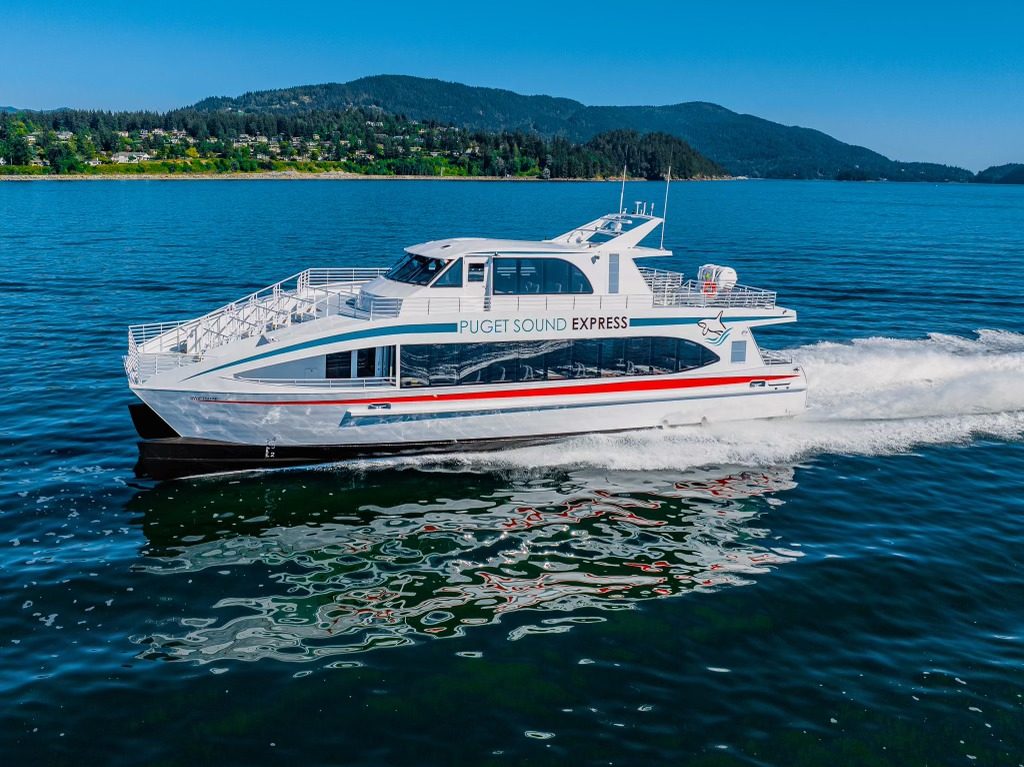
Puget Sound Express and other permitted operators deploy naturalists trained in photo-identification techniques, matching dorsal fin saddle patches and fluke patterns against catalogs maintained by the Center for Whale Research. Tours range from three to five hours, departing from Port Townsend's downtown marina at 227 Jackson Street. Peak sighting months run May through September, when orcas concentrate near salmon choke points off Point Wilson and Admiralty Head. Humpbacks surface to lunge-feed on herring and krill, breaching with enough force to lift their 40-ton bodies clear of the water. Minke whales, Dall's porpoises, harbor seals, Steller sea lions, and bald eagles round out the roster. The Salish Sea's cold, nutrient-rich waters sustain one of the planet's most productive marine ecosystems, and Port Townsend offers front-row access without the crowds that saturate San Juan Island departures.

The Southern Resident orcas, fewer than 75 individuals, follow Chinook salmon runs that have sustained them for millennia.
Dress in layers and bring waterproof outer shells, as the Salish Sea can be cold and windy even in summer. Soft-soled shoes are recommended for safety on the boat decks.
Small personal bags are allowed, but large luggage should be avoided due to space constraints on the whale watching vessels. All items brought aboard are subject to crew inspection.
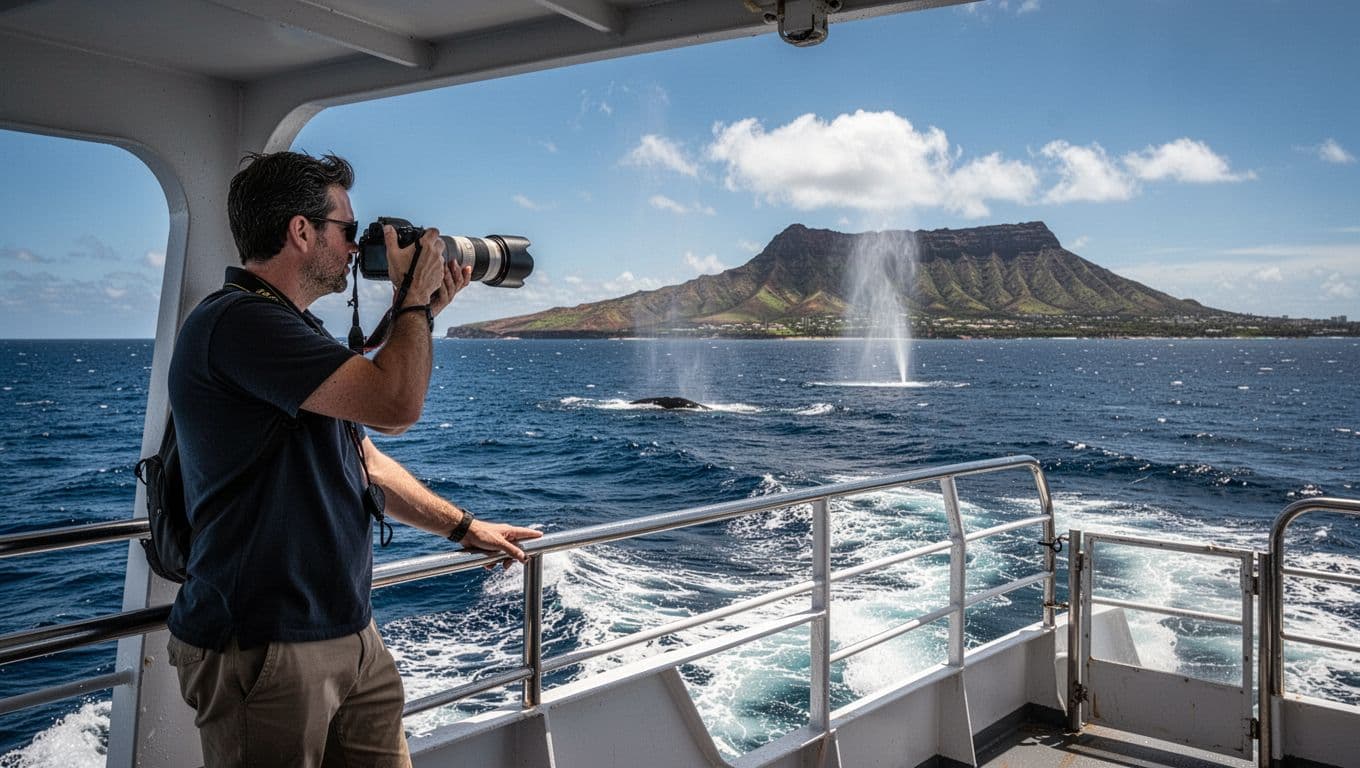
Photography is encouraged, but ensure your gear is secure for sudden vessel movement. A telephoto lens is helpful, but keep the camera strap around your neck at all times.
Whale watching port townsend washington tours are highly family-friendly and suitable for all ages. Children must be supervised at all times while on the docks and aboard the vessels.
The marina facility and most vessels accommodate guests with mobility aids, but please notify the office in advance to ensure the specific boat configuration meets your needs.
The galley serves snacks and beverages, including the signature Blueberry Buckle. Outside food and non-alcoholic drinks are permitted, though alcohol is restricted to specific policies.
Operating Hours
09:00–17:00 Daily
Address
227 Jackson Street, Port Townsend, WA 98368
Facility Access
Accessible marina boarding
Arrival Window
09:30–10:00 for 10:30 departure
Storage Policy
Limited storage for small bags
Navigation
Point Hudson Marina location
Full refunds are available for cancellations made up to 48 hours before departure, minus a 10 USD fee. Cancellations made within 48 hours of your scheduled departure are non-refundable.
Recommended time
Half a day
Planning your trip for whale watching port townsend washington requires balancing the transit on the Salish Sea with necessary check-in time. Arriving during the 09:30–10:00 window is essential to secure your spot before the 10:30 departure, as these whale watching port townsend washington tours operate on a strict schedule. While crowds remain consistent throughout the morning check-in period, early arrival ensures a smooth boarding process for your marine wildlife excursion. Securing your whale watching port townsend washington tickets in advance allows you to focus on spotting orcas and other local fauna once the vessel leaves the dock.
Crowd levels through the day
Commercial whale watching port townsend washington emerged in 1995 when Captain Ken Archer launched Puget Sound Express, converting a former fishing vessel to pursue gray whales migrating through the Strait of Juan de Fuca. The venture followed decades of scientific observation in the Salish Sea, where researchers at Friday Harbor Laboratories had tracked resident orca pods since the 1970s. Archer's operation initially focused on spring gray whale migrations, but by 1998 had pivoted to summer tours targeting the Southern Resident killer whales—J, K, and L pods—whose predictable presence near San Juan Island created reliable sightings. The industry faced a crisis in 2001 when federal regulators imposed a 200-yard approach limit for orcas, forcing operators to abandon chase tactics. Port Townsend's fleet adapted by emphasizing naturalist interpretation and passive observation, a shift that distinguished Salish Sea whale watching tours from Alaska's more aggressive model. The 2005 listing of Southern Residents as endangered under the ESA tightened regulations further, mandating engine shutdowns within 400 yards and prohibiting vessel positioning in whale travel paths. Several operators exited the market; those remaining invested in hydrophone systems and partnerships with the Whale Museum to support real-time sighting networks. By 2011, humpback whales returned to the Salish Sea after a century's absence, expanding viewing opportunities beyond orcas. Port Townsend operators now encounter minke whales, Dall's porpoises, and transient Bigg's killer whales with increasing frequency. The 2018 death of orca J35, who carried her deceased calf for seventeen days, intensified public scrutiny of vessel impacts. Current whale watching port townsend washington regulations include a half-mile no-go zone around Southern Residents, enacted in 2021. Operators departing from 227 Jackson Street navigate these restrictions while maintaining access to productive waters near Admiralty Inlet and the eastern strait, where LSI terms like kelp beds, tidal convergence zones, and salmon runs shape daily route decisions.
Friday Harbor researchers begin systematic tracking of Southern Resident orca pods in Salish waters.
Puget Sound Express begins commercial whale watching operations from Port Townsend's waterfront.
Federal regulators impose 200-yard approach limits for killer whales, ending chase-based observation.
Southern Resident orcas listed as endangered, triggering stricter vessel protocols and no-approach zones.
Humpback whales return to Salish Sea after century-long absence, diversifying sighting opportunities.
Death of orca J35 and prolonged calf-carrying behavior intensifies scrutiny of human impacts.
Washington State enacts half-mile exclusion zone around Southern Resident killer whales.
Position yourself here for an unobstructed panoramic view of the Salish Sea and distant Olympic Mountains. This vantage point is ideal for capturing the scale of the vessel as it navigates through open water during your whale watching port townsend washington excursion.
This forward-facing area offers the most immersive perspective when the boat slows for marine mammal sightings. Stand near the railings to capture wildlife breaching against the backdrop of the rugged coastline.
The port side provides excellent opportunities to photograph harbor seals and porpoises resting on floating debris. Keep your lens ready for these quick interactions as you utilize your whale watching port townsend washington tours tickets.
This location is perfect for capturing the diverse avian life and distant shorelines of the San Juan Islands. Use this side for balanced compositions during your whale watching port townsend washington tour.
Exploring the Salish Sea by boat offers a unique perspective on marine life, though preparing for a day on the water is essential for successful whale watching port townsend washington trips with children. Families should plan for fluctuating temperatures and open-deck conditions while seeking out orcas and humpbacks.
The boats used for whale watching port townsend washington tours are not designed for strollers, so plan to use a wearable baby carrier for infants and toddlers. Strollers should be left in your vehicle before boarding
These excursions are most suitable for children aged five and older who can manage the noise of the vessel and remain seated for longer periods. Younger children may find the sustained duration of the trip challenging
While the vessels are equipped with restrooms, they are compact and may be difficult to navigate with young children. Please utilize the facilities at the terminal before checking in for your whale watching port townsend washington tour
Maritime conditions in the Salish Sea change rapidly, so bring layers and waterproof jackets to keep kids comfortable throughout the journey. We recommend securing whale watching port townsend washington tickets early and following the best arrival window of 09:30–10:00 to ensure a stress-free start.
Visitors planning a whale watching port townsend washington excursion will find numerous eateries concentrated along the waterfront near Jackson Street. These spots are ideal for securing coffee before your Salish Sea wildlife expedition or enjoying a meal after your boat returns.
This historic waterfront pub offers hearty fare and local brews with views of the harbor. It is a popular post-tour spot for those using whale watching port townsend washington tickets.
Everything you need to know for your journey
The office is open 09:00–17:00 daily.
Standard adult fare for a half-day whale watching tour is 125 USD.
We recommend an arrival window of 09:30–10:00 for the daily 10:30 departure.
Yes, these tours are a popular family-friendly activity in the Salish Sea.
Cancellations are fully refundable up to 48 hours prior to departure, minus a 10 USD fee.
Yes, our galley offers snacks and beverages, including our signature homemade Blueberry Buckle.
You may see orcas, humpbacks, gray whales, minke whales, sea lions, and harbor seals.
Free parking is available approximately two blocks north of the 227 Jackson Street office.
Yes, photography is highly encouraged, provided you secure your equipment during transit.
Join thousands of happy travelers who have discovered this incredible experience
Book Your Experience Now