5 hr
Vancouver Whale Watching & Wildlife Adventure with Complimentary Photos
- Entry ticket
- Mobile voucher
- Valid same day
- Free cancellation
Washington Whale Watching — Salish Sea Orca & Marine Mammal Viewing
Where resident pods surface between island shores, the Pacific pulse arrives on schedule.
Compare fares, pick the fit — all bookings are mobile-voucher and eligible for free cancellation where shown.
5 hr
3 hr 30 min
4 hr
| Experience | From | Duration | Rating | Guide | Free cancel. | Price | |
|---|---|---|---|---|---|---|---|
|
Standard Entry
Most popular
Vancouver Whale Watching & Wildlife Adventure with Complimentary Photos
|
— | 5 hr | ★ 4.8 | — | ✓ | €160 | Book → |
|
Standard Entry
Orca & Whale Watching Expedition from Anacortes
|
Anacortes | 3 hr 30 min | ★ 4.8 | ✓ | ✓ | €102 | Book → |
|
Standard Entry
Salish Sea Whale Watching Adventure
|
— | 4 hr | ★ 4.5 | — | ✓ | €129 | Book → |
They complement each other; most visitors who do both call commercial boat tours the more thrilling experience for active marine observation, while shore-based viewing offers quiet connection to the ecosystem. Choosing the right washington whale watching approach depends on your preference for budget-conscious exploration versus specialized vessel access.
|
Top pick The Whale Trail (Shore) |
Commercial Boat Tours | |
|---|---|---|
| Cost | 0 USD | 150–200 USD (summer) |
| Access Strategy | Public shore sites | Ticketed vessel booking |
| Proximity to Wildlife | Varies by distance | Close range encounters |
| Flexibility | Self-paced schedule | Fixed departure times |
| Environmental Impact | Minimal physical presence | Fuel consumption and noise |
| Group Size | Independent | Capacity-controlled vessels |
| See tickets & prices |
Verdict: If you prioritize close-up sightings, booking washington whale watching tickets for a boat tour is superior, whereas shore-based observation provides a flexible, cost-free alternative for patient wildlife enthusiasts using washington whale watching tours as a supplement.
Hand-picked experiences loved by thousands of travelers
4 hours
Free Cancellation
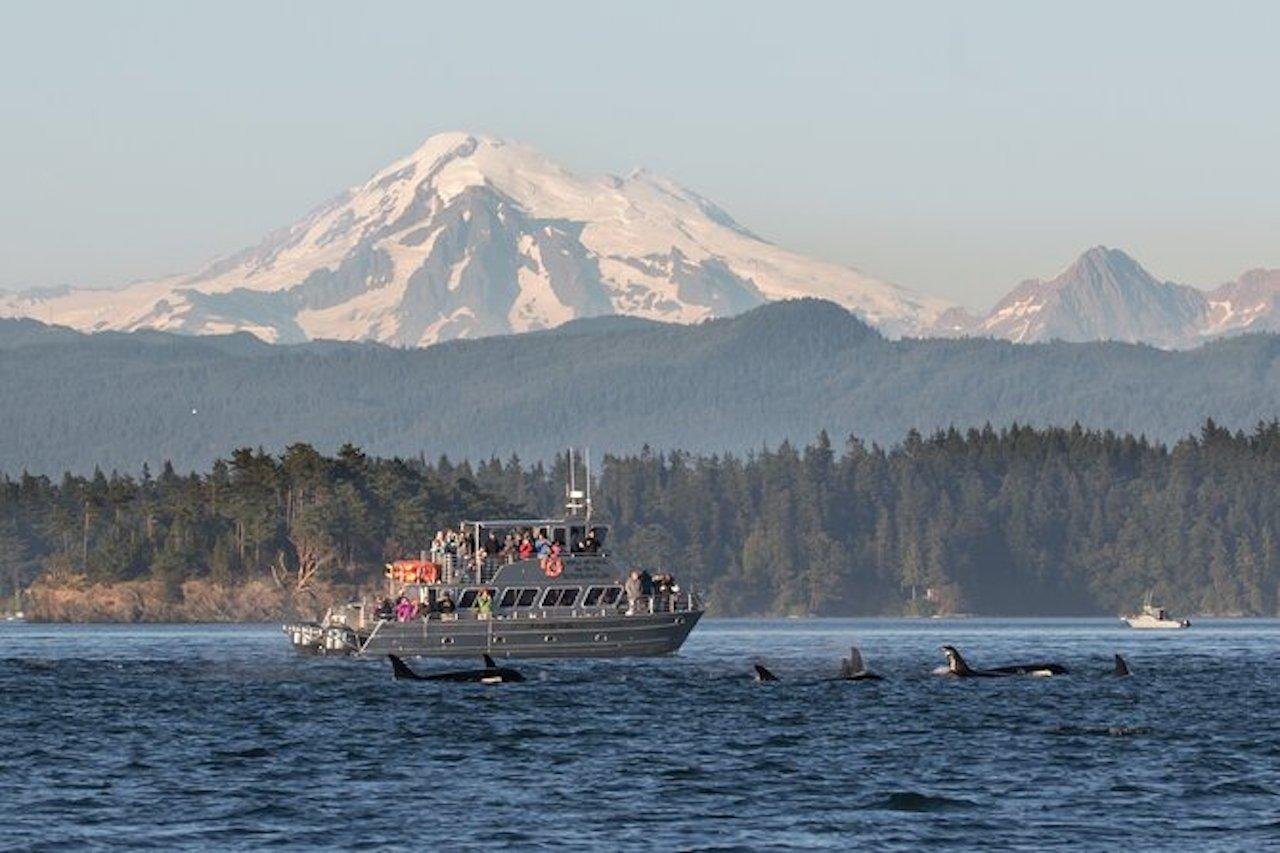
Explore the Salish Sea aboard a custom catamaran in search of orcas, humpbacks, and coastal wildlife.
3.5 hours
Free Cancellation
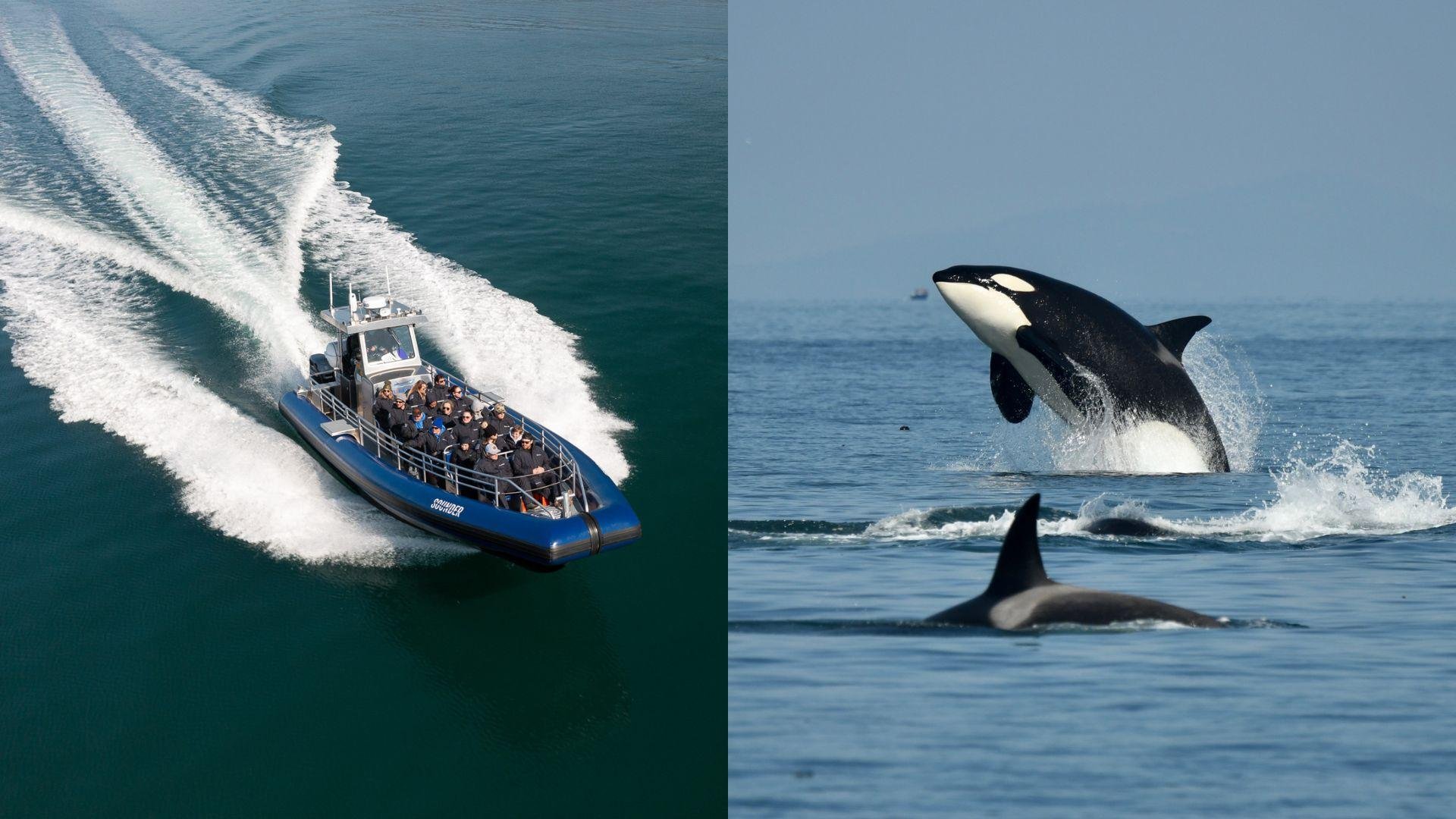
High-speed zodiac expedition seeking orcas, humpbacks, and marine wildlife in the San Juan Islands
3.5 hours
Free Cancellation
High-speed marine wildlife expedition with 98% whale sighting success rate across the San Juan archipelago
2 hours
Free Cancellation
Explore Pacific marine life with an expert guide through interactive exhibits and tide pool encounters
4 hours
Free Cancellation
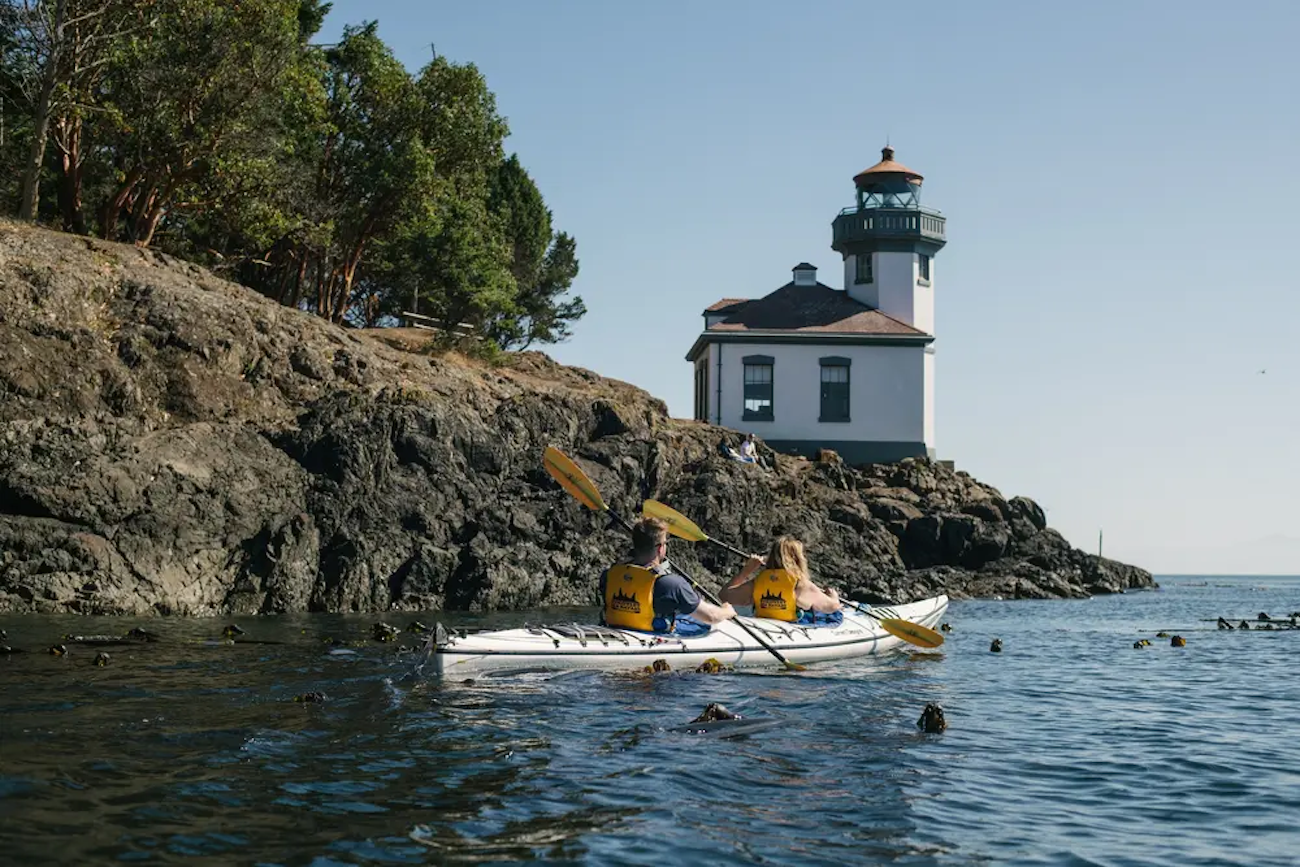
Paddle the rugged coastline of San Juan Island's west side with chances to see wildlife from your kayak
4 hours
Free Cancellation
Four-hour marine adventure spotting orcas, humpbacks, seals, and seabirds in Pacific Northwest waters
3 hours
Free Cancellation
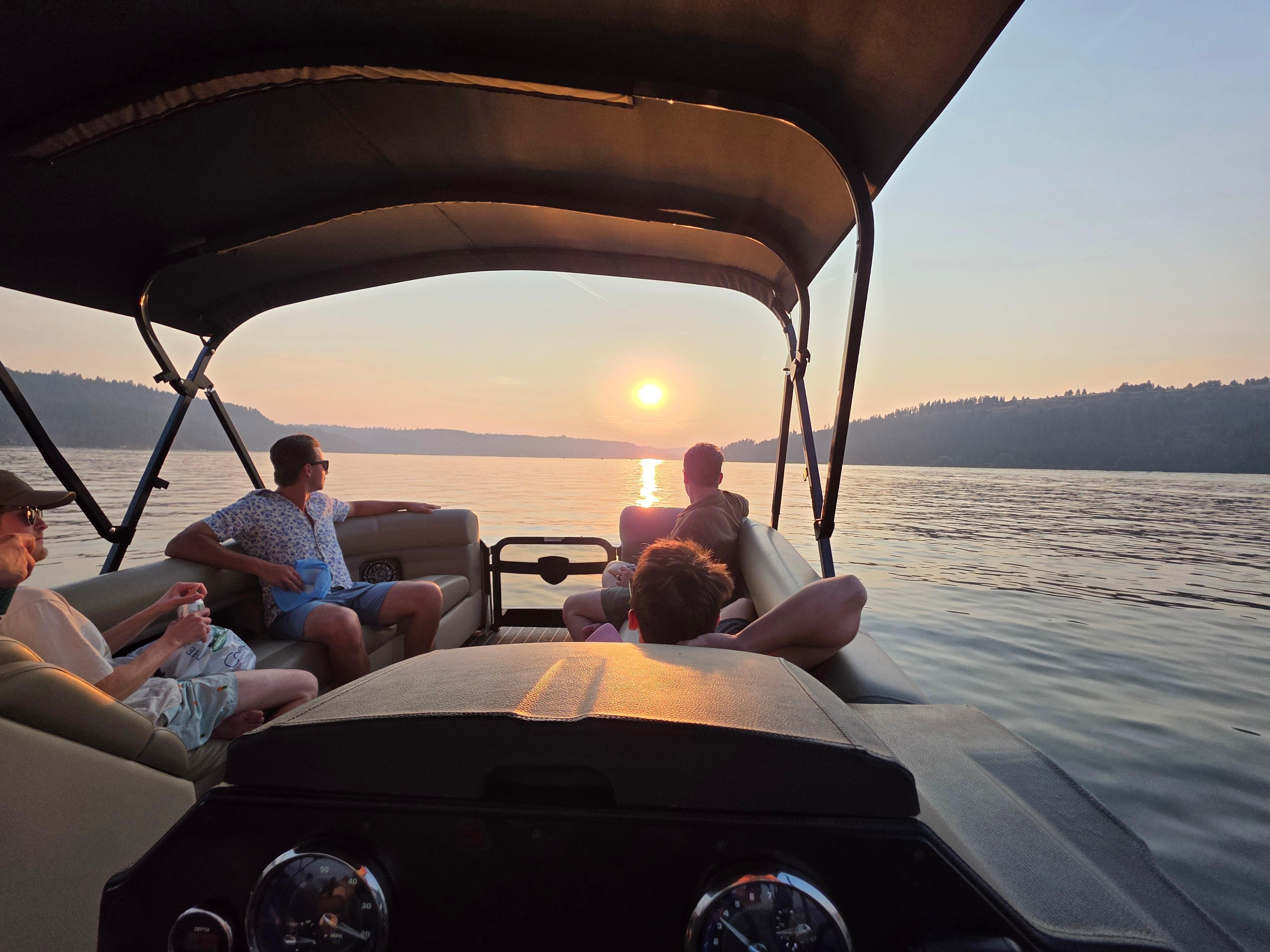
Glide across tranquil waters at golden hour with your own captain on this exclusive evening adventure
Arrive at a designated site between 09:00–16:00 to maximize light.
Scan the horizon using binoculars for spout or fin activity.
Read the interpretive signage to identify local species.
Ensure all trash is packed out before leaving the site.
A premiere spot for viewing Southern Resident orcas in Haro Strait.
Historic structure providing a high vantage point for monitoring marine mammal movement.
Offers expansive views of the Pacific Ocean for spotting migrating gray whales.
A rugged, scenic viewpoint along the Hwy 112 Whale Trail for diverse marine life.
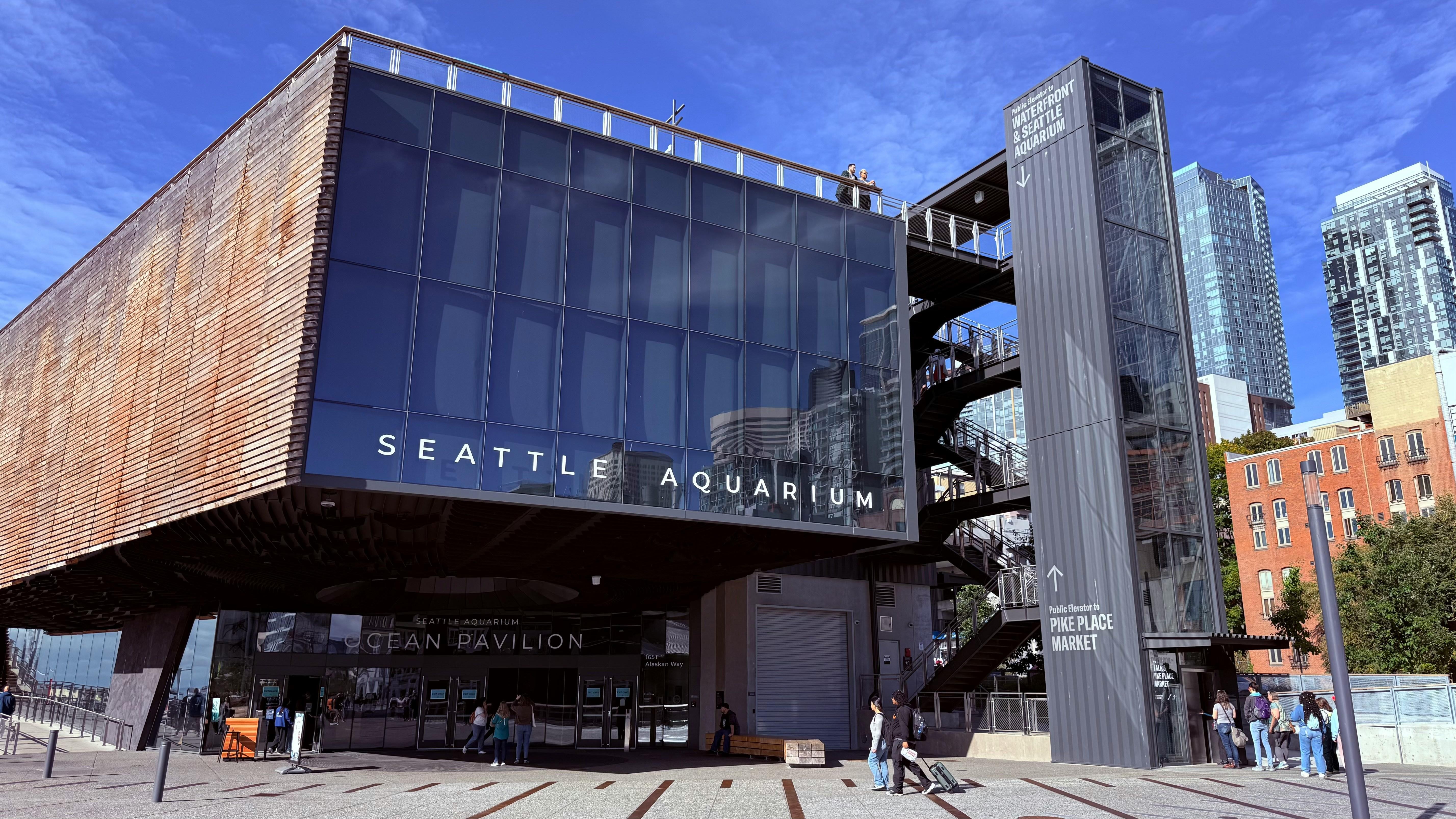
An accessible urban site in Seattle for catching transient orcas in the Sound.
You arrive at Lime Kiln Point thirty minutes before the posted 11 AM flood tide, claiming a bench along the clifftop rail where the Strait of Juan de Fuca narrows to four miles.
Binoculars scan the kelp line 200 yards offshore—the zone where resident orcas surface between dives—while the hydrophone speaker crackles with echolocation clicks. At 11:14, a dorsal fin breaks the surface, then three more in formation: J Pod traveling north at four knots, their exhalations audible across the water.
You track the matriarch's six-foot dorsal through your lenses as the pod passes within 150 yards, close enough to see the gray saddle patch behind each fin. A calf breaches twice, landing sideways in a spray visible from shore. The hydrophone erupts with S1 calls—short, pulsed vocalizations unique to Southern Residents—as the whales communicate across the hunting line. You switch to the washington whale watching app, logging the sighting with GPS coordinates; within minutes, three other observers from different Trail sites confirm the pod's trajectory.
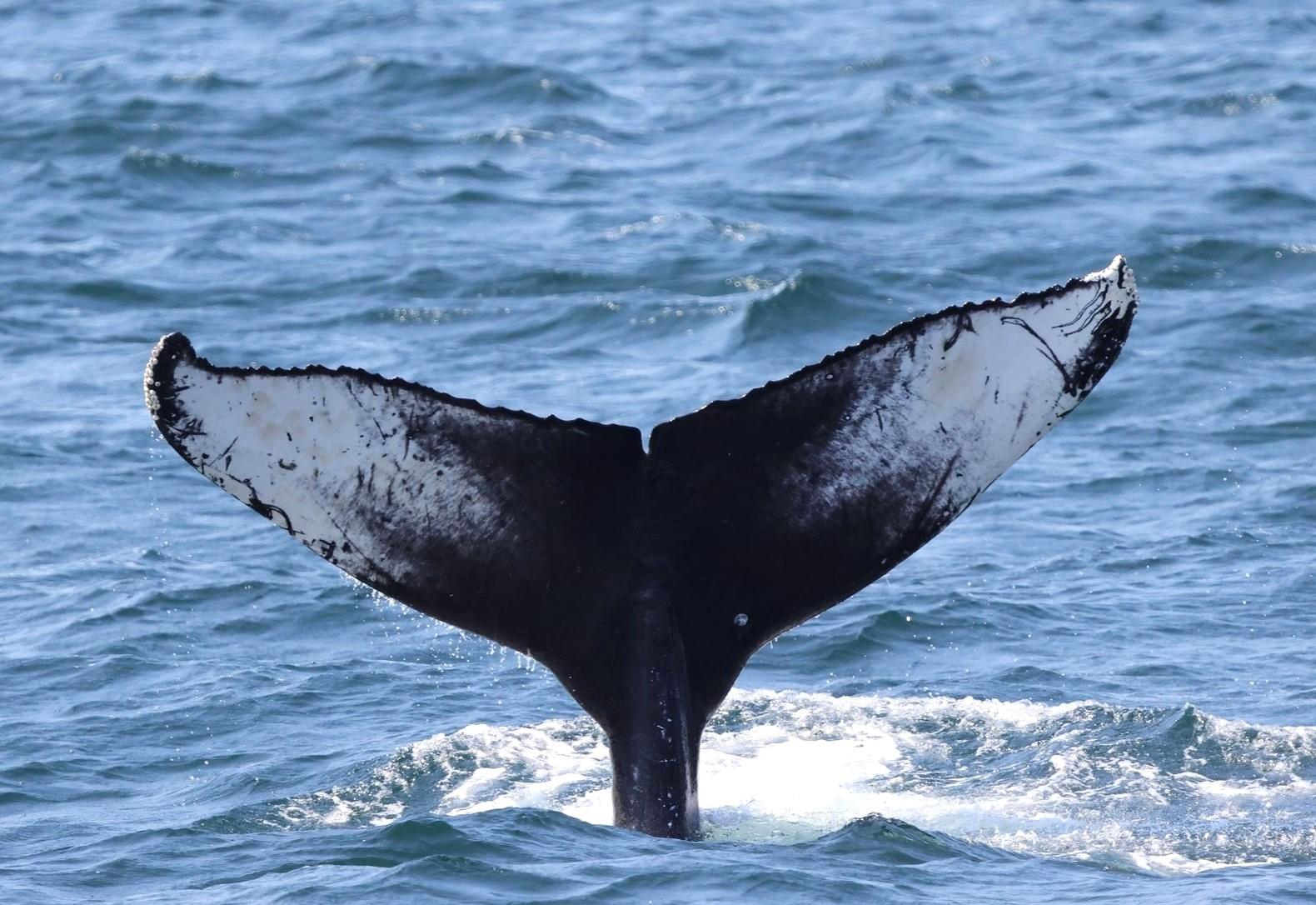
Twenty minutes after the orcas pass, a humpback surfaces a half-mile west, its knobbed head rising before the fluke lifts clear in a deep dive. You photograph the fluke's white underside, submitting it to the regional catalog via the app's AI matcher. By noon, you've documented four species—orca, humpback, harbor seal, and Dall's porpoise—without leaving the headland.
All the details about your upcoming adventure in one place
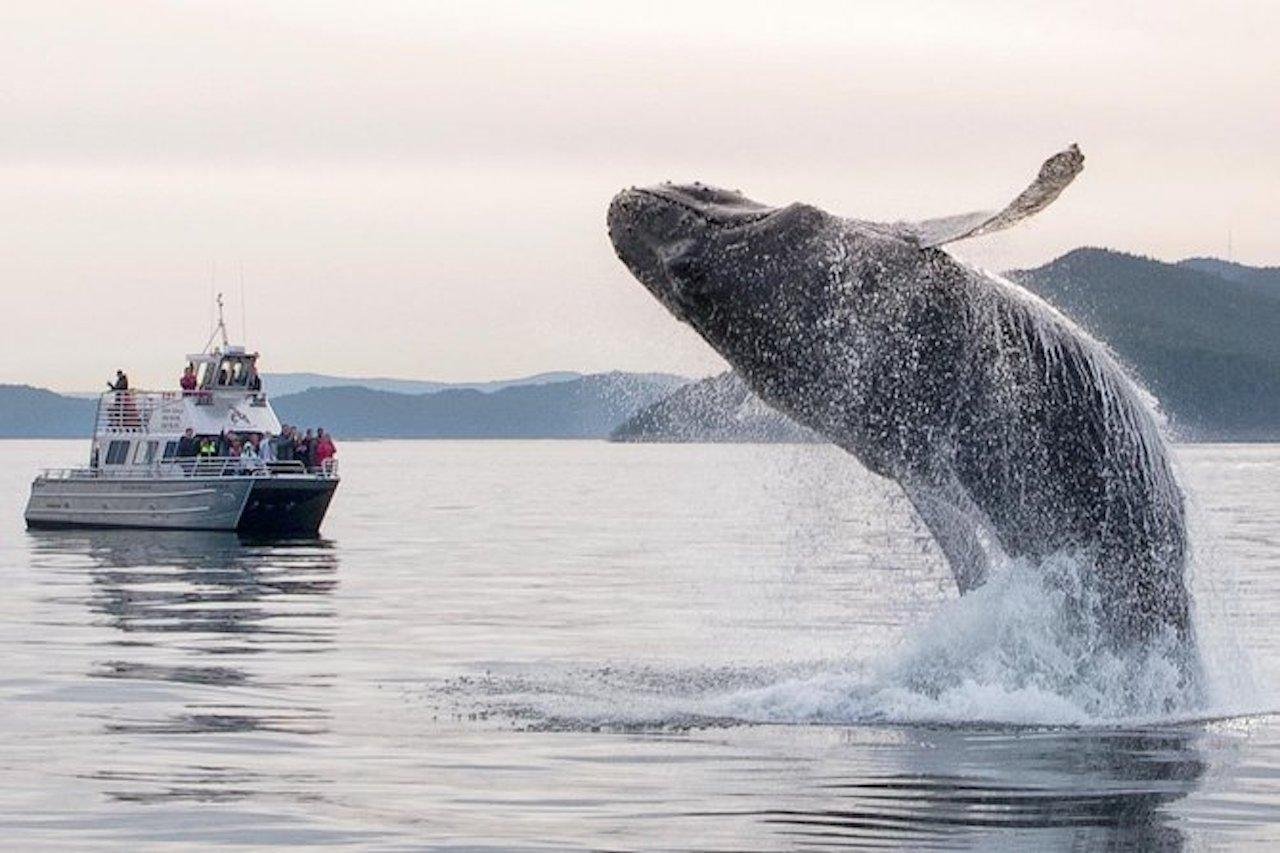
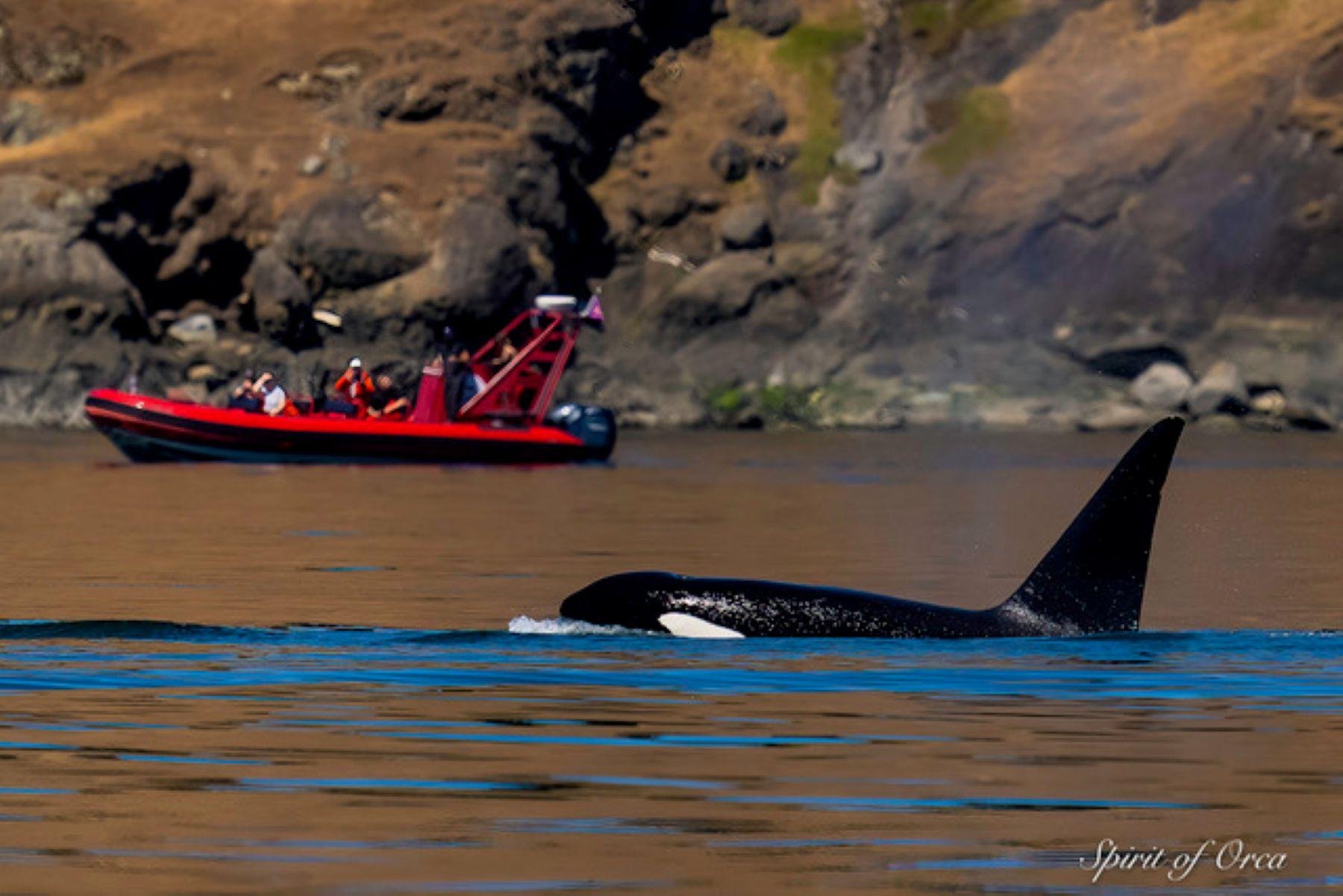
The Salish Sea supports resident orca pods, humpback whales, and gray whales migrating through protected waters between the San Juan Islands and Vancouver Island. Washington whale watching tours depart from Anacortes, Friday Harbor, and Bellingham, guided by marine naturalists who track whale movements in real time. Vessel operators follow federal approach distances to protect Southern Resident orcas while offering open viewing decks and hydrophones for listening to whale vocalizations.
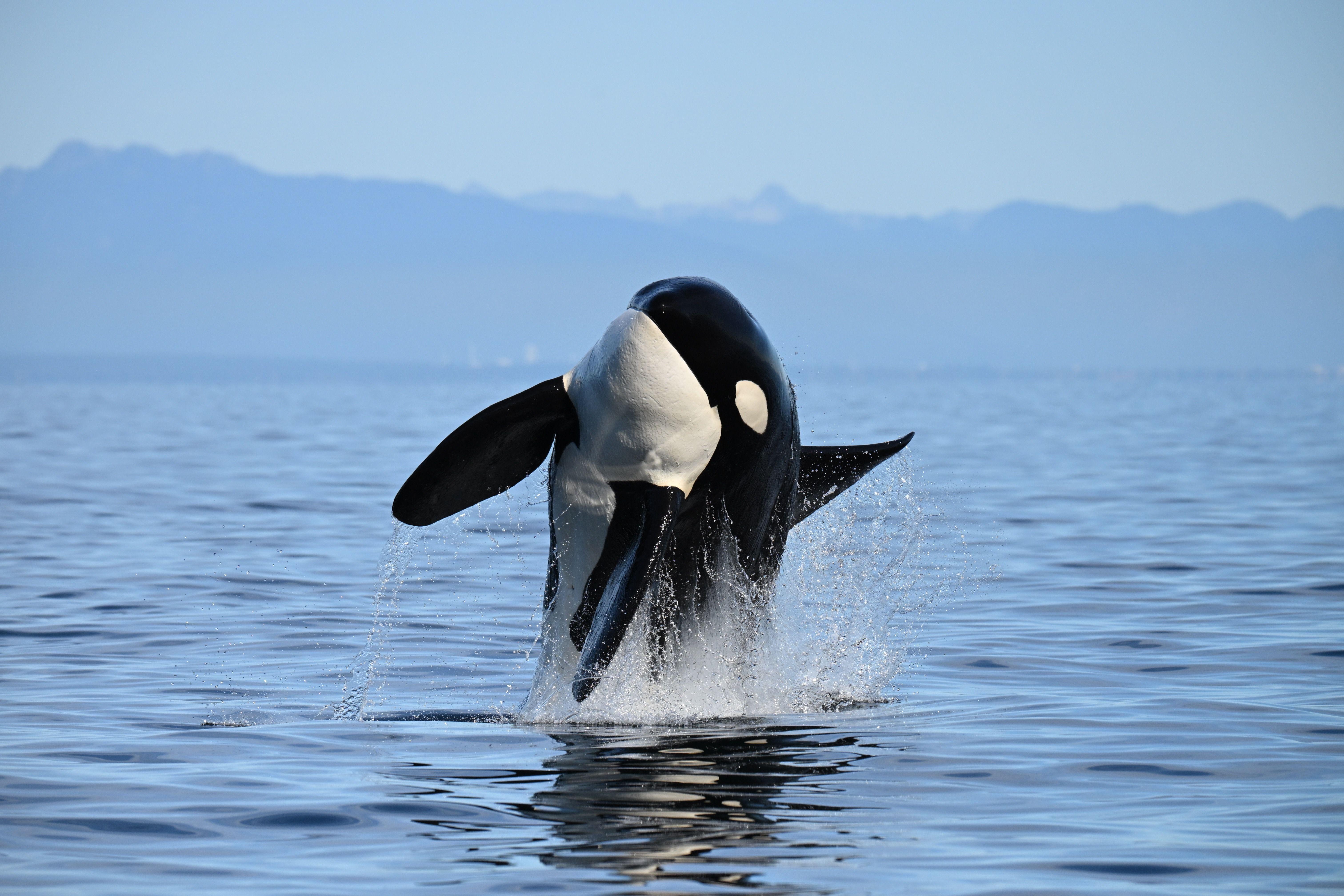
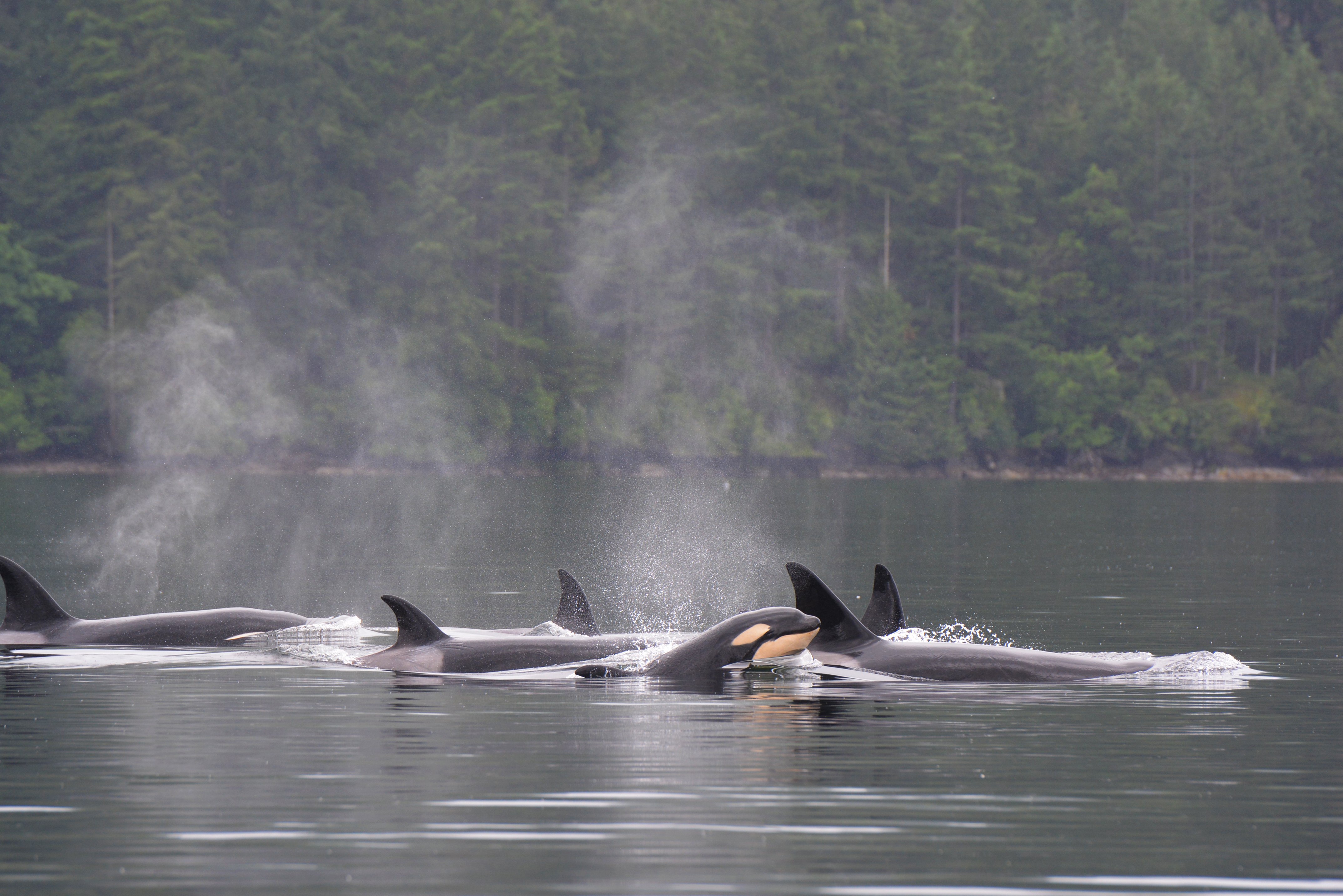
The Salish Sea holds the densest concentration of orcas in the contiguous United States, with three distinct resident pods—J, K, and L—comprising 73 individuals as of the 2026 census.
These Southern Resident killer whales spend May through October hunting Chinook salmon along predictable corridors between the San Juan Islands and the mainland coast, a pattern documented by hydrophone networks since 1976. Washington whale watching from shore became formalized in 2008 when The Whale Trail opened its first designated viewpoint at Lime Kiln Point on San Juan Island, where researchers recorded 86 documented orca passes during a single summer.
The Trail now spans 27 sites across Puget Sound, the Strait of Juan de Fuca, and the outer coast, each selected for sightline geometry and marine mammal traffic density. Washington whale watching tours operating from Anacortes and Friday Harbor report a 92 percent success rate between June and September, but shore-based observation eliminates vessel noise that disrupts echolocation. Humpback whales, absent from these waters for seven decades after commercial whaling, returned in 2004; biologists now track 49 individuals by fluke markings. Gray whales migrate past the outer coast each March and October, visible from points like Westport and Cape Flattery where the continental shelf drops within a mile of shore.
Optimal wa whale watching conditions align with flood tides, when prey concentrates near kelp beds and pinnacles. The washington whale watching season peaks in July and August, but November through February offers solitude and increased minke whale activity near the Strait of Georgia. Mobile apps now overlay real-time sightings from the Orca Network's hotline, which logged 1,847 reports in 2025. Lime Kiln's hydrophone broadcasts live underwater calls; visitors wearing headphones hear the S1 dialect calls that distinguish J Pod from transient Bigg's killer whales, which hunt seals rather than salmon and appear year-round.
The Whale Trail sites require no permits and charge no fees, funded instead by Washington State Parks and federal marine sanctuary grants. Interpretation panels at each location diagram resident pod genealogies and explain the 2001 Endangered Species Act listing that curtailed Chinook harvest. Anacortes whale watching tour operators now maintain 200-yard buffer zones, a regulation adopted after a 2011 study linked vessel proximity to 18 percent declines in foraging efficiency. Shore observers armed with binoculars and the washington whale watching app contribute to citizen science databases that inform recovery models, turning passive recreation into acoustic ecology fieldwork.

Lime Kiln's hydrophone broadcasts live underwater calls; visitors wearing headphones hear the S1 dialect calls that distinguish J Pod from transient Bigg's killer whales.
Dress in warm, water-resistant layers suitable for the variable weather of the Salish Sea coast. Sturdy, closed-toe footwear is recommended for navigating rocky shorelines or sandy trails.
There are no security checkpoints at these public coastal sites. Pack all personal belongings in a lightweight daypack as you must carry out everything you bring to maintain site cleanliness.
Photography is encouraged at all washington whale watching sites, but do not use drones, which are prohibited over marine waters. Respect wildlife by maintaining a quiet distance rather than approaching marine mammals for photos.
This activity is highly family-friendly and offers an educational, low-impact way to introduce children to marine stewardship. Keep children on designated trails to protect the fragile coastal bluffs.
Accessibility varies significantly across the network of shore-based washington whale watching locations. Some viewpoints offer paved, level paths, while others require navigating uneven, cobble, or driftwood-strewn beaches.
Public amenities at washington whale watching locations are limited, so bringing a picnic and plenty of water is advised. Follow Leave No Trace principles by disposing of all food waste in appropriate bins or packing it out.
Opening hours
09:00–17:00 daily
Address
Salish Sea, Washington, USA
Accessibility
Varies by site
Best arrival window
09:00–16:00
Storage
Not available
Official site
https://thewhaletrail.org
Car · -
Most washington whale watching sites are accessible via Highway 101 or coastal roads with parking provided in state or county parks.
Public transport · - · Taxi
Access to island-based sites is often via the Washington State Ferries network, followed by local vehicle or bike.
As washington whale watching involves free public access to shore-based viewing sites, there are no tickets to cancel. No entrance fee of 0 USD is required for any location along The Whale Trail.
Recommended time
3-4 hours
Planning your visit during the designated window of 09:00–16:00 ensures you have optimal visibility and light for spotting marine mammals from shore-based sites. Engaging in washington whale watching requires patience, so allocate extra time if you plan to scan the horizon for dorsal fins or blow spouts. While crowds remain minimal at public access points, arriving early helps you secure a prime viewing position along The Whale Trail. If you have secured washington whale watching tours, confirm your departure logistics, though shore-based observers generally do not require washington whale watching tickets to enjoy these coastal landmarks.
Crowd levels through the day
Weather · crowds · average price — dots go green to amber to red as each metric rises.
March through May offers peak opportunities to view migrating gray whales along the coast.
June through September is ideal for spotting Southern Resident orcas in the Salish Sea.
October through November remains active for transient orcas and late-season sightings.
December through February provides opportunities for viewing transient orcas, though weather is unpredictable.
Use this app to track real-time marine mammal sightings in your vicinity during your washington whale watching trip.
Always maintain a quiet demeanor and avoid sudden movements to prevent disturbing marine wildlife.
Whales are often spotted far offshore; high-quality binoculars are the most important tool for success.
Many species, particularly gray whales, are more active near shore during specific tidal conditions.
Protect the shoreline habitat by staying on marked trails and removing all your litter.
Sightings are never guaranteed; embrace the solitude of the Salish Sea regardless of wildlife activity.
Washington coastal weather changes rapidly; bring wind and waterproof gear for your washington whale watching excursion.
West coast of San Juan Island
Located at Lime Kiln Point State Park
Get directions
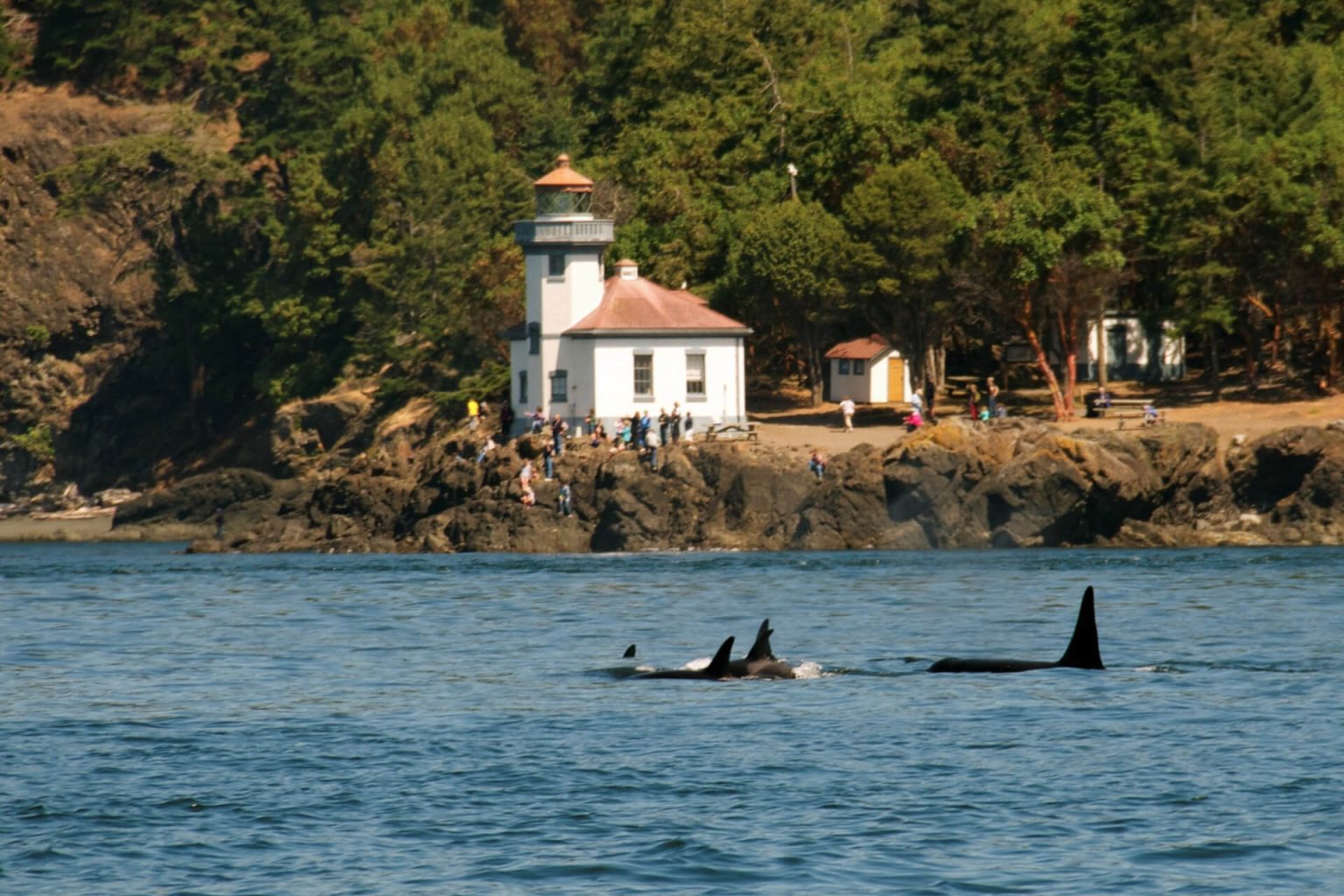
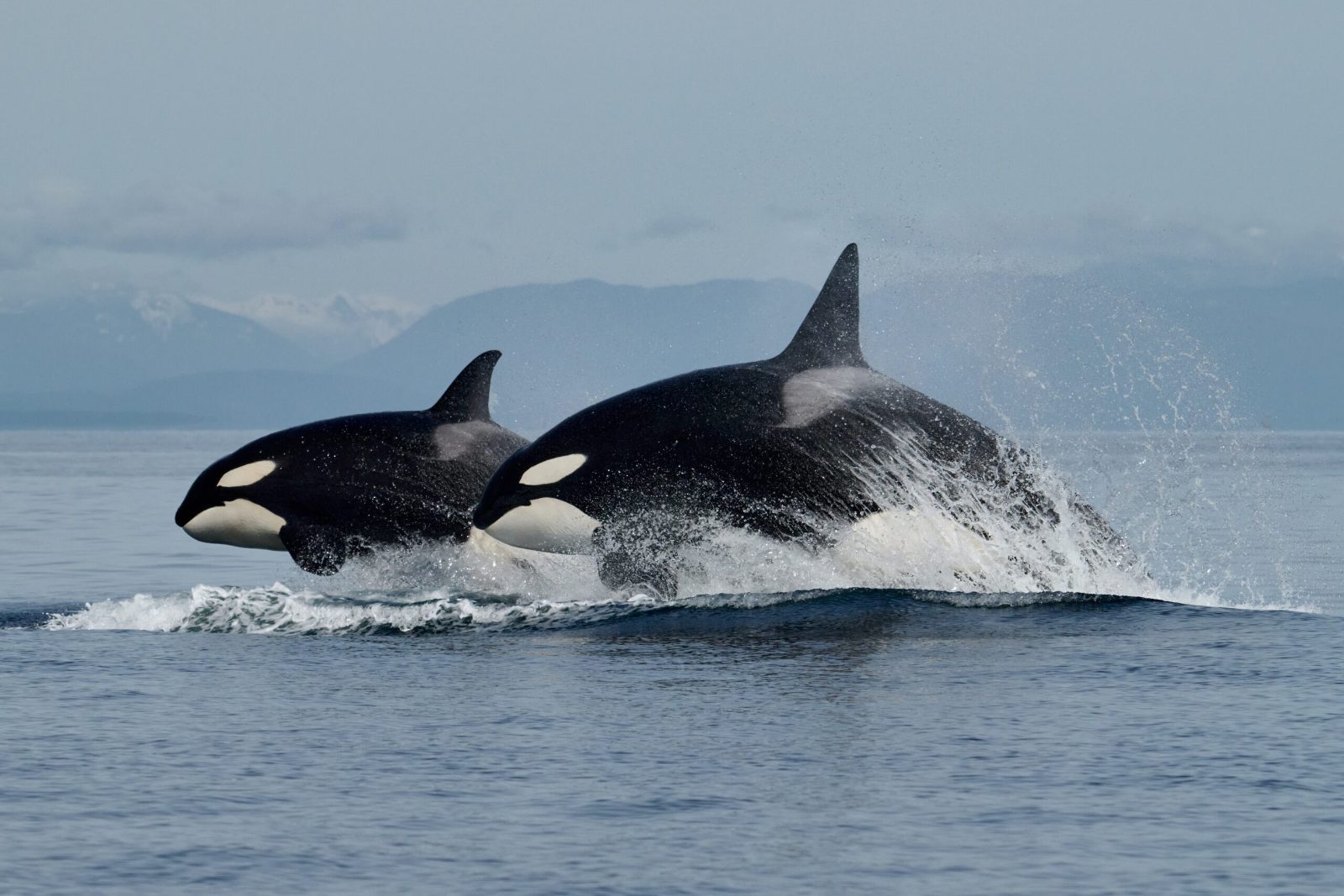
Stand near the historic lighthouse to capture breaching orcas against the rugged coastline. This site is a premier spot for washington whale watching, offering panoramic views of the Haro Strait.
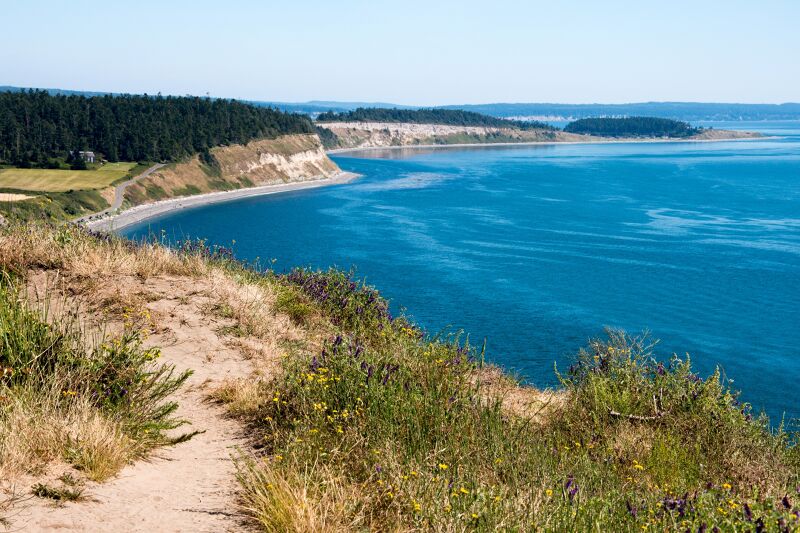
Position yourself along the bluff trail for wide-angle shots of the horizon and migrating cetaceans. The elevated terrain provides a clear vantage point for observing marine mammals in the surf.
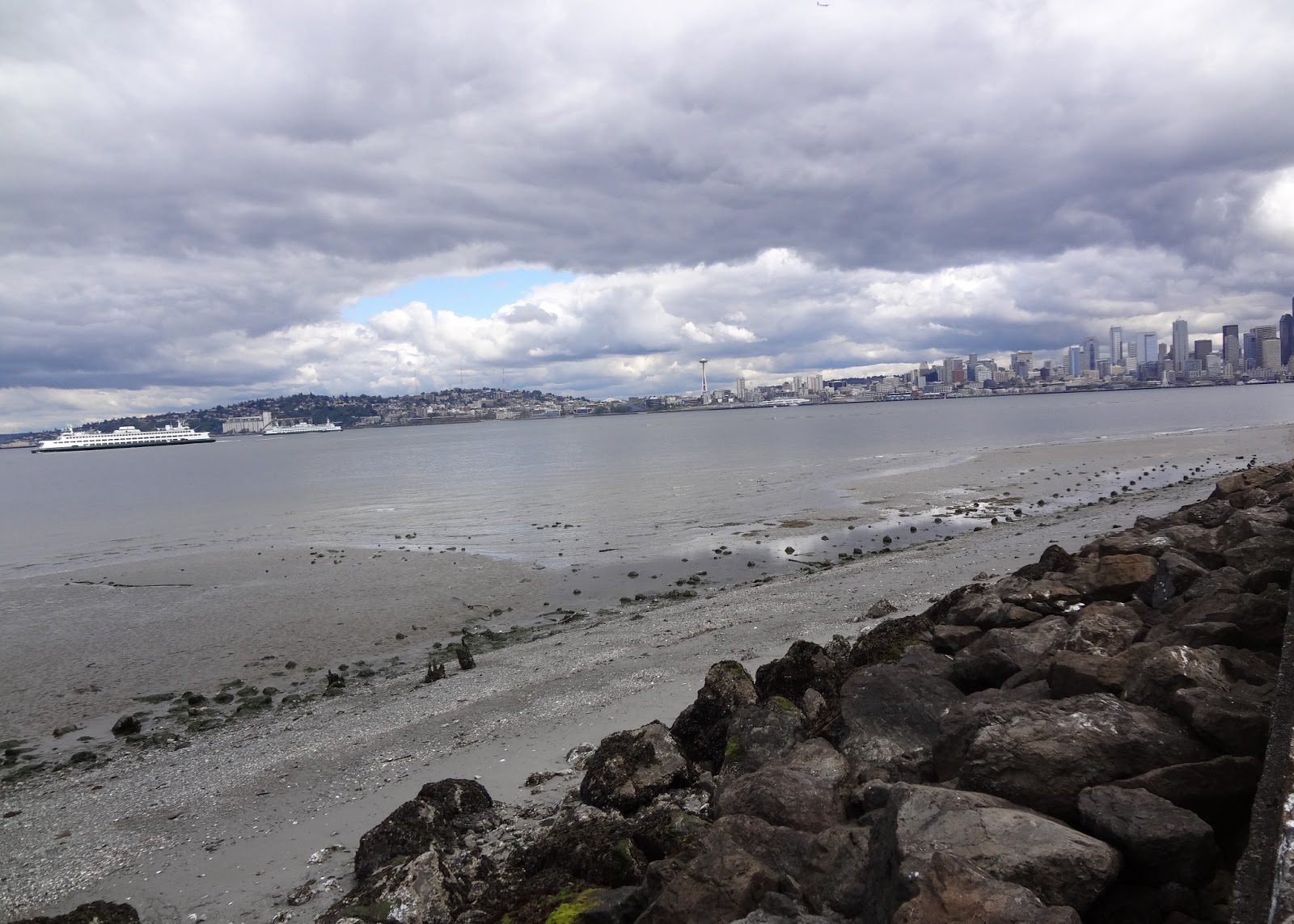
Set up your tripod along the seawall to photograph harbor porpoises and passing whales with the Seattle skyline in the background. It is a popular choice for those seeking washington whale watching tours photography without leaving the city.
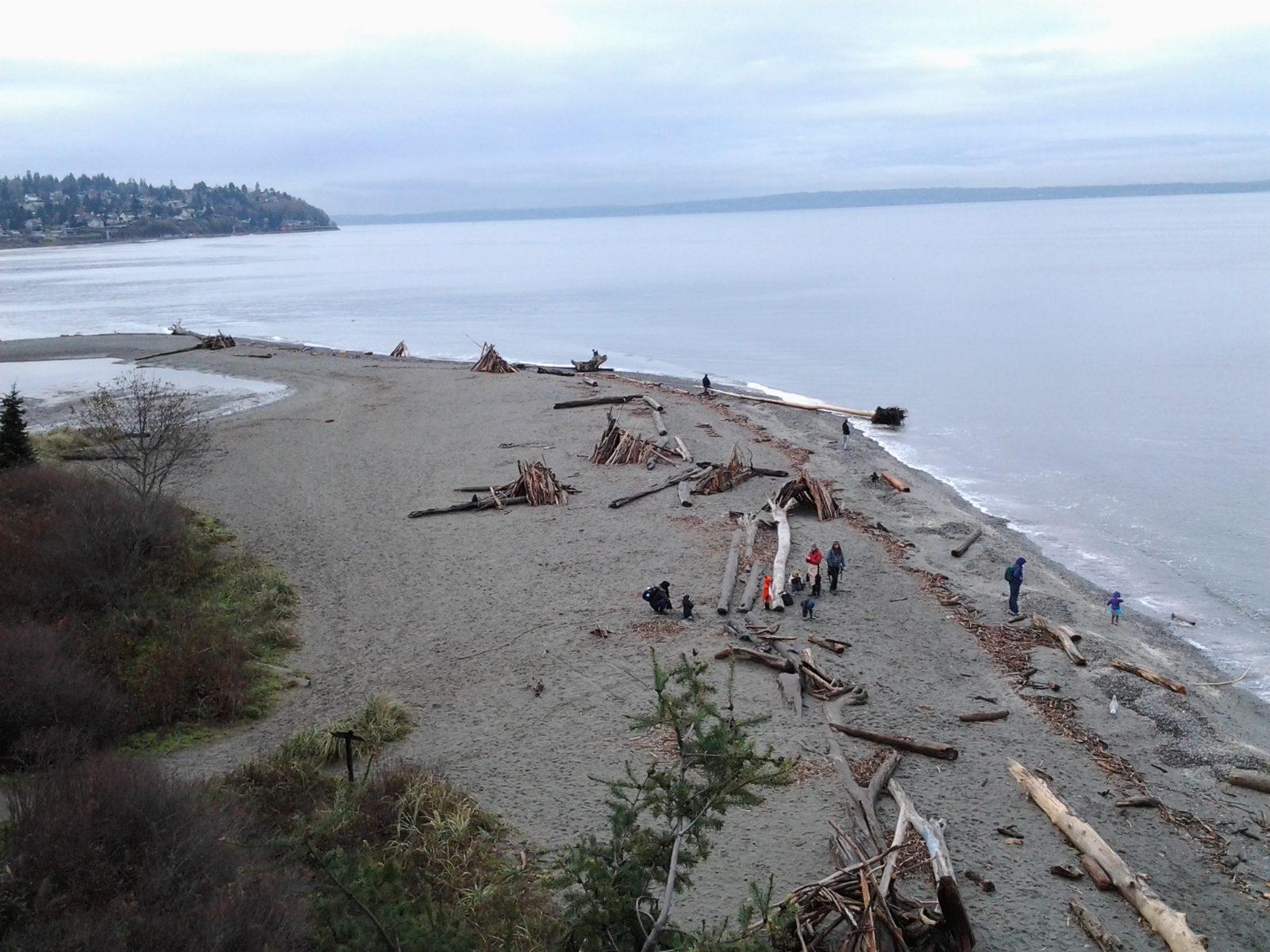
Focus your lens from the pedestrian bridge or the beach to document marine life sightings in the Puget Sound. This location offers a unique frame for washington whale watching tickets holders who appreciate natural foregrounds.
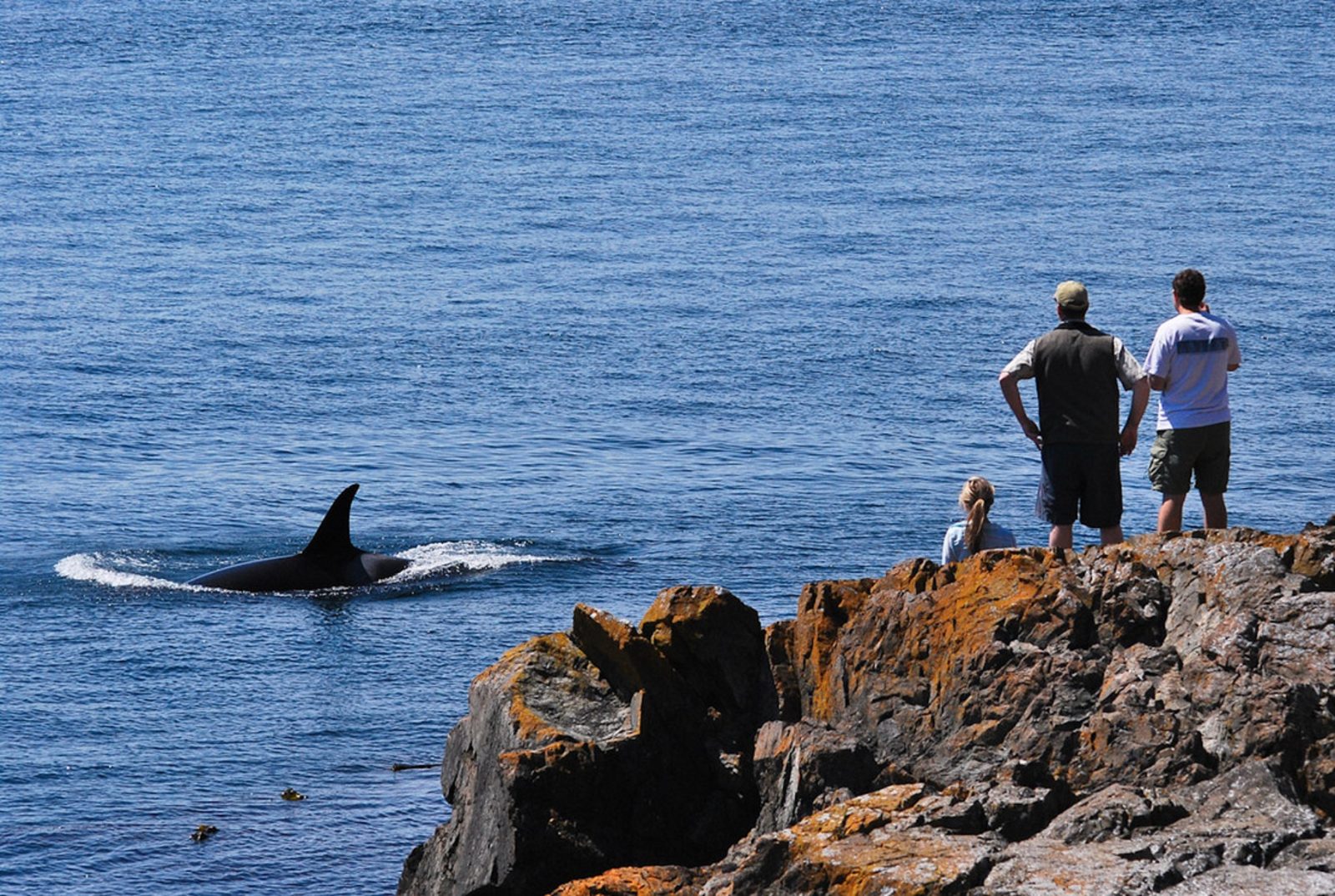
Engaging in washington whale watching along the Salish Sea requires patience, as shore-based observation focuses on spotting dorsal fins and spouts from public parks. This flexible approach allows families to explore at their own pace without the constraints of traditional washington whale watching tours.
Most designated sites along the coast feature paved pathways, though you should check specific park maps for terrain details before your washington whale watching tour.
Public shore access points often lack dedicated baby-change stations, so plan to bring necessary supplies for care in your vehicle or backpack.
Children may tire of waiting, so bring binoculars, field guides, or scavenger hunt lists to keep them focused on marine life while you search for washington whale watching tickets or wait for a sighting.
Pack snacks and plenty of water as public shore locations rarely offer on-site dining, ensuring you stay comfortable during your visit between 09:00–16:00.
Since these are open-air public locations, bring waterproof gear to stay dry during autumn weather, as there are no indoor shelters at these wildlife observation sites.
Real experiences from real travelers
We spotted a pod of six orcas within the first hour of our washington whale watching tour departing from Friday Harbor. The naturalist on board identified each whale by dorsal fin markings and explained their family structure. Calm waters made it easy to photograph the breaching juveniles. Dress in layers even in August. 5
Everything you need to know for your journey
Shore-based washington whale watching sites are generally accessible from 09:00–17:00, with optimal visibility occurring during the arrival window of 09:00–16:00.
No, the entrance fee is 0 USD as these are public shores participating in The Whale Trail.
The best time depends on the species, but generally spring through early fall offers the highest frequency of sightings across the Salish Sea.
Many sites allow dogs on leashes, but you should check specific park rules before bringing your pet to a washington whale watching location.
No, drones are strictly prohibited over marine waters to protect whales and other marine life during your washington whale watching activity.
Amenities vary by site; check the official site of each park on The Whale Trail to confirm facility availability.
Look for official interpretive signs that mark designated washington whale watching viewpoints along the coast.
Bring waterproof binoculars, a rain jacket, a picnic, a map, and a camera for your washington whale watching excursion.
Accessibility varies by site; some locations feature paved paths while others require navigating uneven, natural terrain.
There are no washington whale watching tickets to purchase, as The Whale Trail provides free, public access to viewing sites.
Explore educational exhibits about local orcas and marine conservation.
Historic lighthouse offering panoramic views of Haro Strait.
Expansive wilderness with rugged coastline and diverse ecosystems.
Protected scenic area perfect for coastal observation.
Convenient access to San Juan Island whale watching sites.
Coastal lodge situated near major migratory viewing points.
Centralized luxury options for central Puget Sound exploration.
Join thousands of happy travelers who have discovered this incredible experience
Book Your Experience Now