English| EUR
Suggested for you
More currencies
Book Now
Open today · 08:00 – 18:00

Whale Watching Puget Sound Washington

Whale Watching Puget Sound Washington — Orca Expeditions & Wildlife Cruises

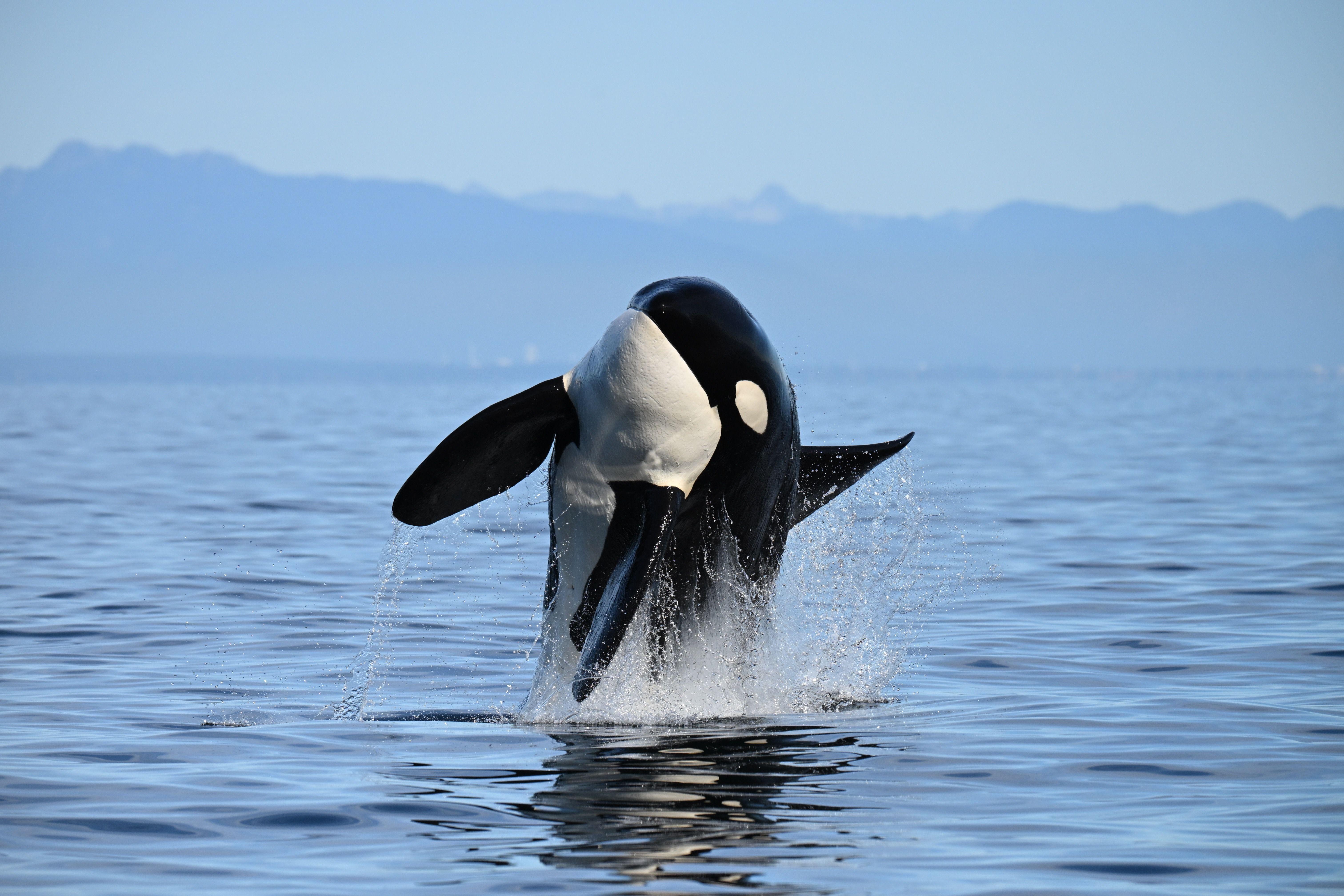
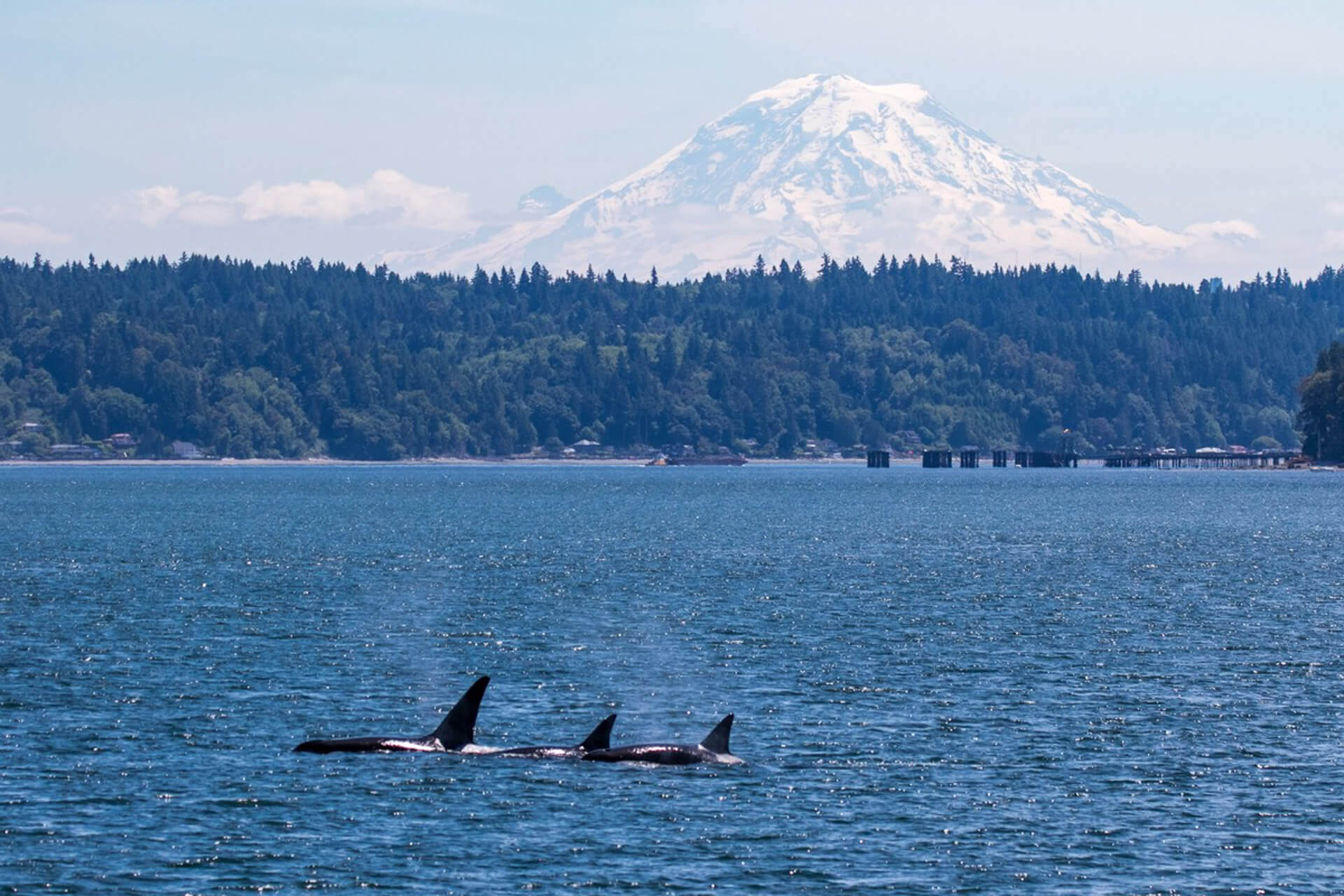
Southern Resident orcas in their summer feeding grounds, glacier-fed waters alive with humpbacks and porpoises

50K+ travelers chose this
Free Cancellation
Right now: Moderate — autumn shoulder season Conditions are optimal for marine wildlife viewing today.
Free Cancellation
Free cancellation Instant confirmation Mobile voucher Verified partner Expert naturalist guides
7k sq miles
Total area
Salish Sea expanse
74
Current SRKW count
Endangered Southern Resident population
167k
Annual whale watchers
Washington state guest count
37
Mammal species
Diverse marine ecosystem
0 USD
Entrance fee
Private tours required
Choose your ticket

Whale Watching Puget Sound Washington tickets at a glance

Compare fares, pick the fit — all bookings are mobile-voucher and eligible for free cancellation where shown.

Whale Watching Expedition from Anacortes 3 hr 30 min
Standard Entry

Whale Watching Expedition from Anacortes

4.8 (579)
€102
  • Entry ticket
  • Mobile voucher
  • Valid same day
  • Free cancellation
Book this ticket
Salish Sea Whale & Wildlife Cruise 4 hr
Standard Entry

Salish Sea Whale & Wildlife Cruise

4.5 (598)
€129
  • Entry ticket
  • Mobile voucher
  • Valid same day
  • Free cancellation
Book this ticket
Compare options

Compare Whale Watching Puget Sound Washington ticket options

Selecting the right ticket for whale watching puget sound washington depends on your preferred vantage point and level of onboard comfort. These marine wildlife excursions invite you to explore the Salish Sea with expert naturalists while choosing between tiered deck access and standard cabin amenities.

Economy Class Lower Deck (Accessible) Top pick
Vista Class Upper Deck (Stairs)
Comfort Class Upper Deck (Stairs)
Deck Location Lower deck main cabin Upper deck forward cabin
Accessibility Accessible Stairs required
Seating Type Fabric seats Premium leather seats
Included Benefits Direct deck access Free snacks and drinks
Best for Budget-conscious travelers Premium experience seekers

Verdict: First-time visitors will find Vista Class whale watching puget sound washington tickets offer the best balance of elevated perspective and overall comfort.

Is Whale Watching Puget Sound Washington Worth the Investment?

Worth it for wildlife enthusiasts and patient observers

Whale watching puget sound washington tours typically range from three to four hours on the water, with pricing that reflects boat operation, naturalist guides, and adherence to marine sanctuary protocols. The Salish Sea hosts resident orca pods, transient orcas, humpbacks, and gray whales, though sightings are never guaranteed—reputable operators emphasize this upfront and some offer rescheduling policies rather than refunds. The experience depends heavily on seasonal migration patterns, weather conditions, and the 200-yard federal approach distance that protects marine mammals. Tours from Anacortes and the San Juan Islands position you closer to core orca habitat than Seattle departures, which add transit time. Beyond cetaceans, expect harbor seals, bald eagles, and porpoises. The investment makes sense if you value marine ecosystems and accept that nature operates on its own schedule, not a guaranteed checklist. Budget travelers may find land-based viewpoints at Lime Kiln Point a free alternative, though boat access increases odds significantly.

What makes it worth it

  • Resident orca pods and seasonal humpback presence
  • Expert naturalists provide real-time marine biology context
  • Supports research funding and low-impact wildlife protocols
  • Multi-species sightings including seals, eagles, and porpoises
  • Morning departures offer calmer seas and better light

Keep in mind

  • No guaranteed sightings despite high ticket cost
  • Weather can cancel or rough up the experience
  • Federal distance rules limit close encounters
  • Seattle tours spend significant time in transit

Bottom line: If you approach whale watching puget sound washington as wildlife observation rather than a zoo exhibit, the combination of habitat access and conservation-first guiding justifies the cost for most visitors.

Head to head

Whale Watching Puget Sound Washington: Boat Tours vs. Land-Based Shore Viewing

They complement each other, though most visitors who do both call boat-based whale watching puget sound washington tours the more immersive experience. While shore viewing provides tranquil observation, vessel excursions prioritize tracking pods across the Salish Sea.

Top pick
Boat Tour
Shore Viewing
Mobility Stationary park location
Chance of sighting Low and intermittent
Cost 0 USD
Inclusivity Variable terrain accessibility
Accessibility Park trails vary
Time commitment Flexible duration

Verdict: Securing whale watching puget sound washington tickets allows for closer observation of orcas and marine mammals, whereas shore viewing offers a cost-effective, self-paced alternative for those prioritizing patient wildlife spotting from the coastline.

Featured Experiences

Popular Whale Watching Puget Sound Washington tours & activities

Hand-picked experiences loved by thousands of travelers

Recommended Experience

Powered by GetYourGuide

Another traveler favorite

Powered by GetYourGuide
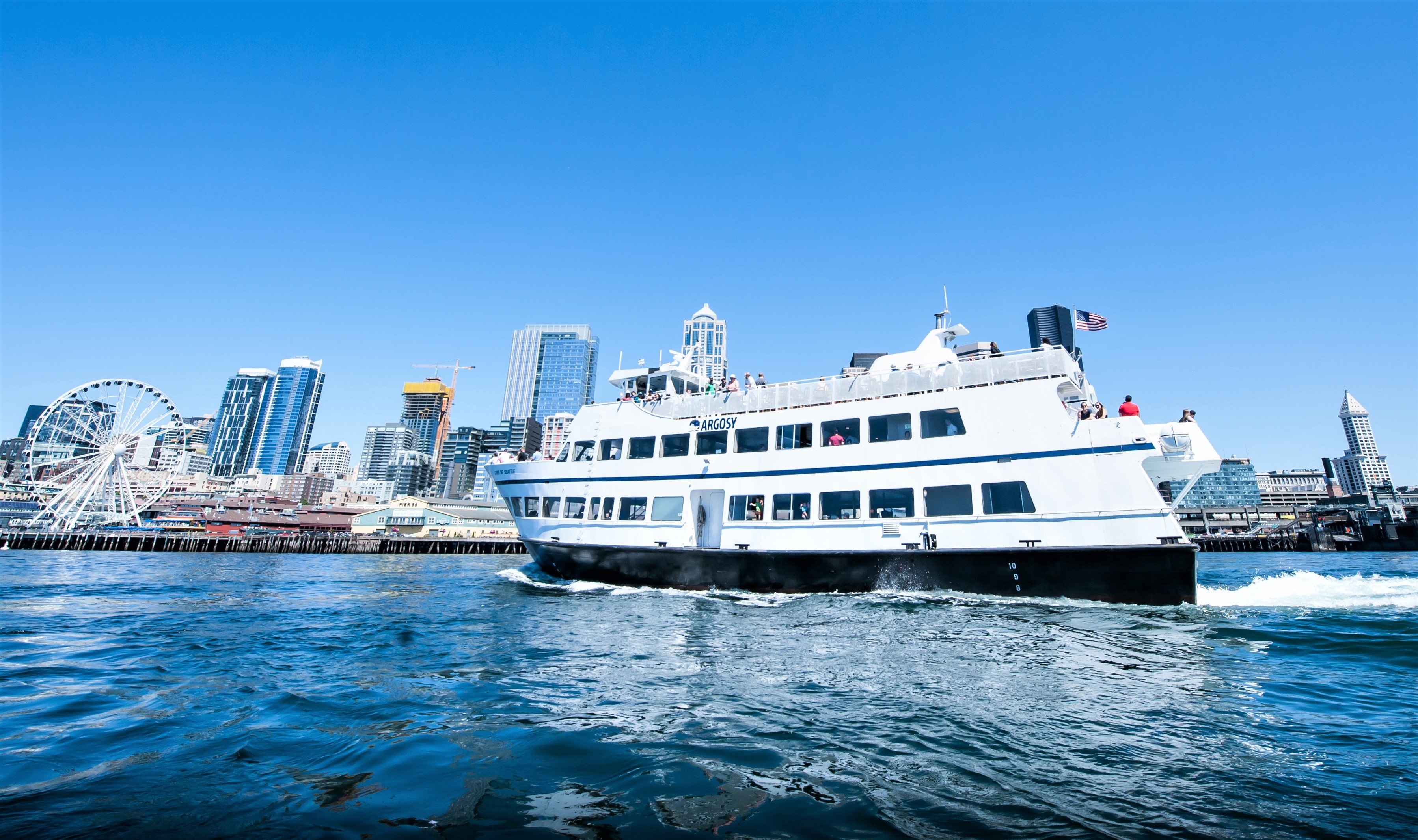
Seattle Harbor Guided Cruise 1 hour Free Cancellation

Seattle Harbor Guided Cruise

One-hour narrated boat tour showcasing Seattle's waterfront landmarks and mountain vistas

4.8 (717)
FromFrom €36.63
See details
Victoria Whale Watching Adventure with Complimentary Photos 4 hours Free Cancellation

Victoria Whale Watching Adventure with Complimentary Photos

Venture into the Salish Sea aboard a custom catamaran to spot orcas, humpbacks, and soaring eagles

4.7 (470)
FromFrom €133.98
See details
Anacortes Zodiac Whale Watching Adventure 3.5 hours Free Cancellation

Anacortes Zodiac Whale Watching Adventure

Hunt for orcas, humpbacks, and marine life on an exhilarating small-group zodiac expedition

4.8 (69)
FromFrom €128.3
See details
Indigenous-Guided Whale Watching & Tea Ceremony 4 hours Free Cancellation

Indigenous-Guided Whale Watching & Tea Ceremony

Explore the Salish Sea with Indigenous storytellers, spotting orcas and seals while discovering Coast Salish heritage

4.7 (3)
FromFrom €129.46
See details
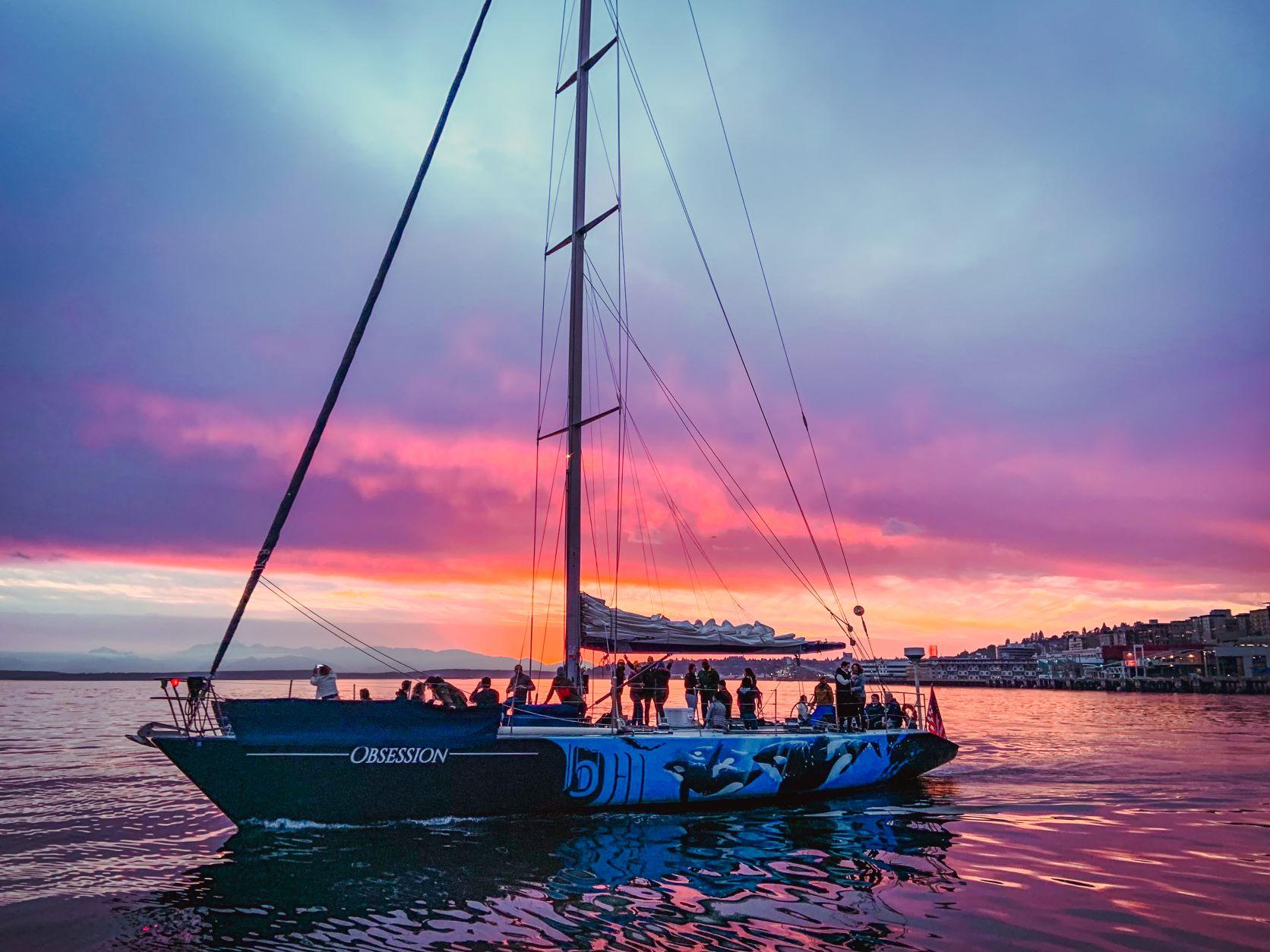
Downtown Seattle Sunset Sailing Adventure 2 hours Free Cancellation

Downtown Seattle Sunset Sailing Adventure

Glide across Elliott Bay on a 70-foot racing yacht as the sun dips behind the Olympics

4.8 (160)
FromFrom €61.14
See details
Seattle Aquarium Guided Tour: Pacific Marine Life & Conservation 2 hours Free Cancellation

Seattle Aquarium Guided Tour: Pacific Marine Life & Conservation

Explore Pacific marine ecosystems with a local guide—from Puget Sound wildlife to tropical reefs.

FromFrom €131.87
See details
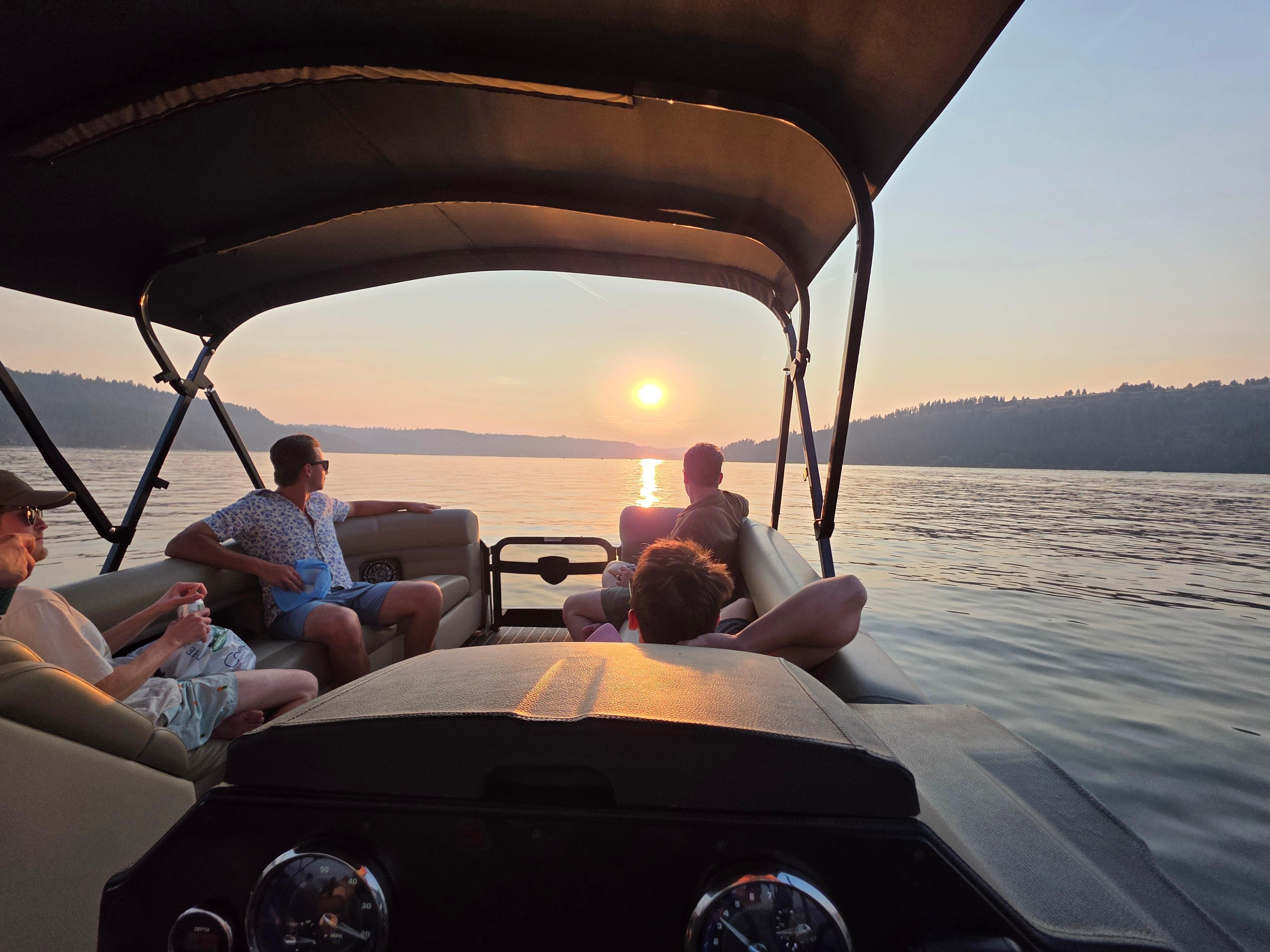
Private Sunset Cruise on Lake Coeur d'Alene 3 hours Free Cancellation

Private Sunset Cruise on Lake Coeur d'Alene

Glide across tranquil waters at golden hour with a licensed captain guiding your private group.

FromFrom €426.23
See details
Your journey

Your Whale Watching Puget Sound Washington day, step by step

1

Check-in

Arrive at the dock for your scheduled departure

2

Safety Briefing

Listen to the captain regarding boat protocols

3

Wildlife Viewing

Observe marine mammals in their natural habitat

4

Return to Port

Disembark after your sea excursion

What you'll see

What you'll see at Whale Watching Puget Sound Washington

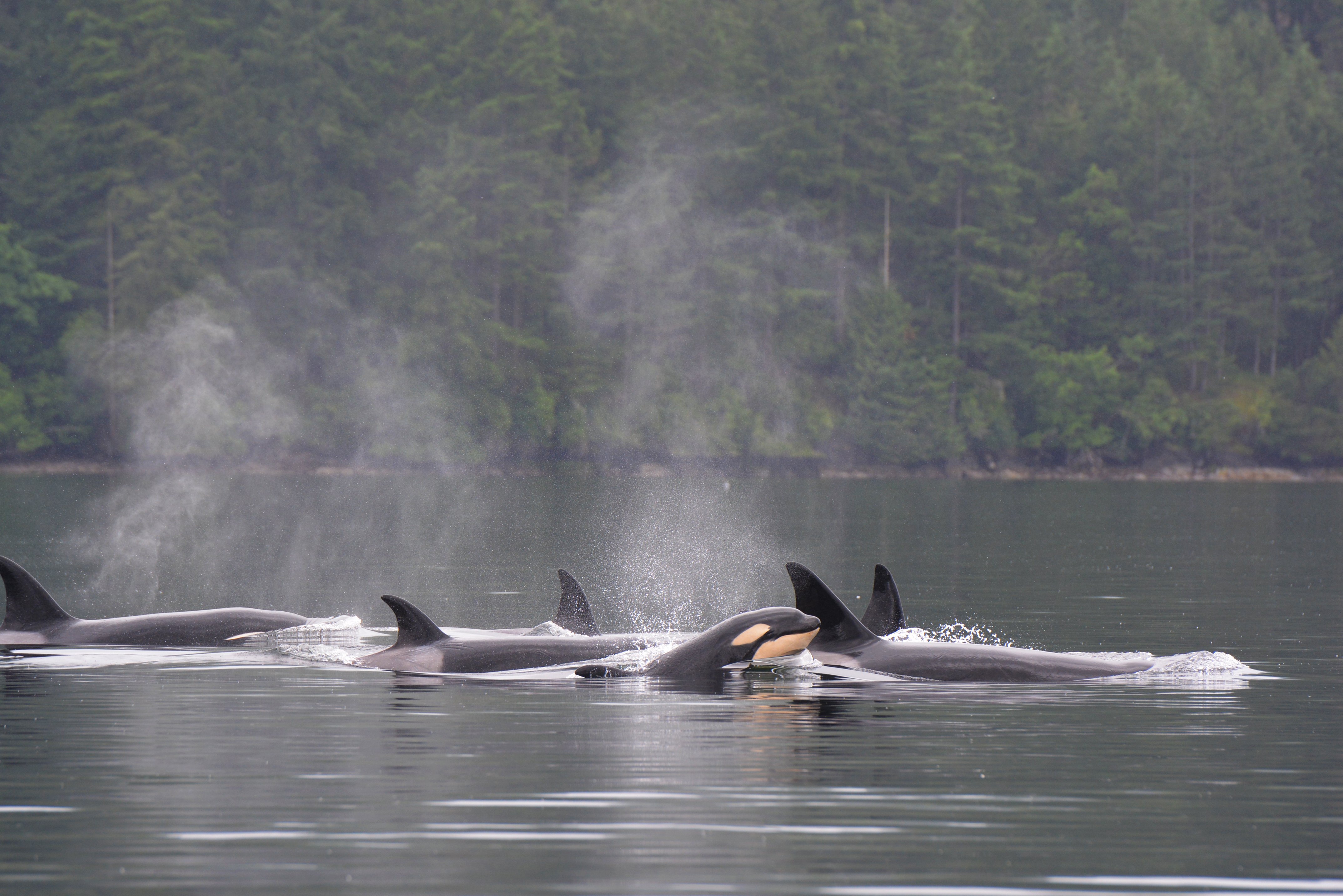
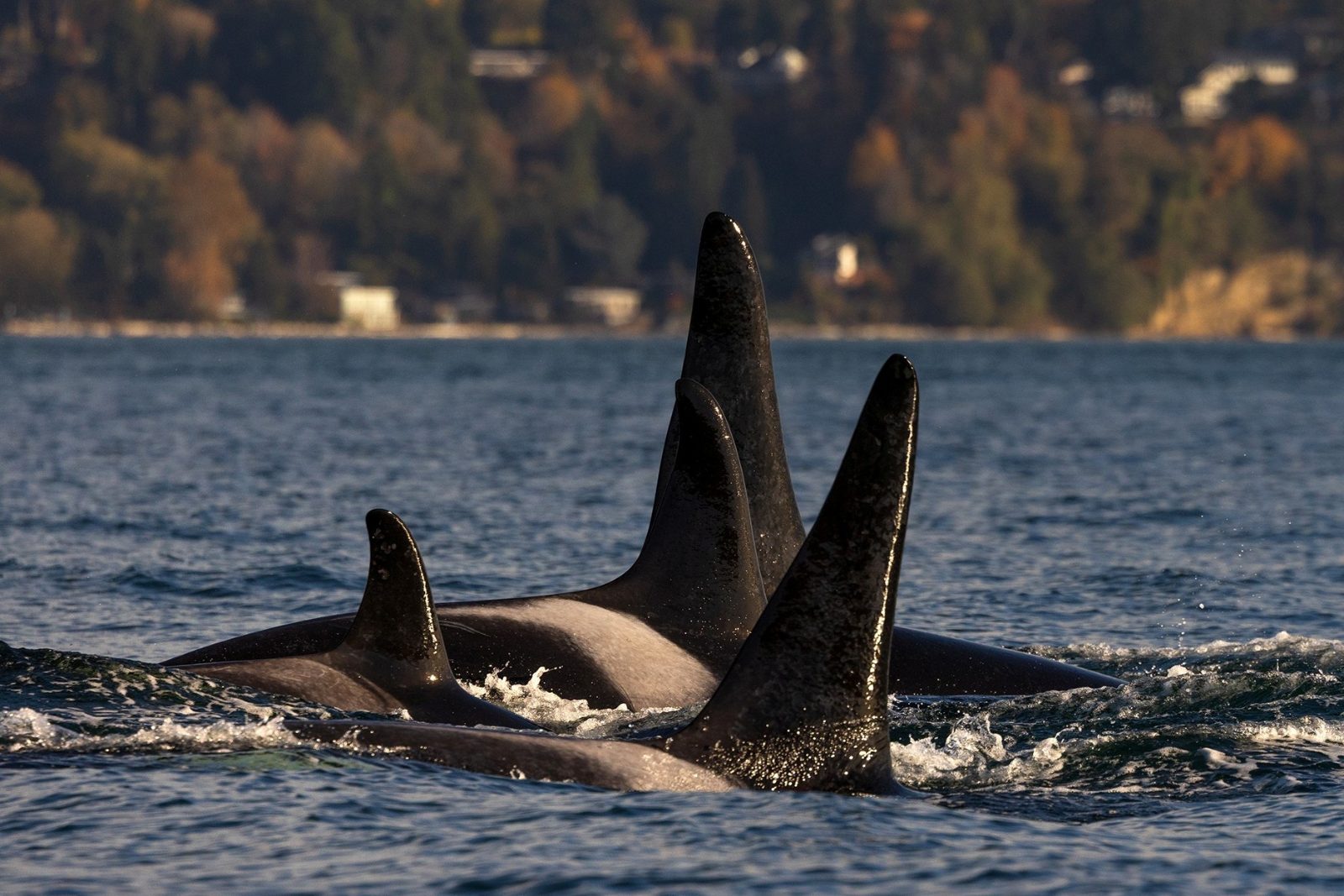
Orca Pod Sightings

Orca Pod Sightings

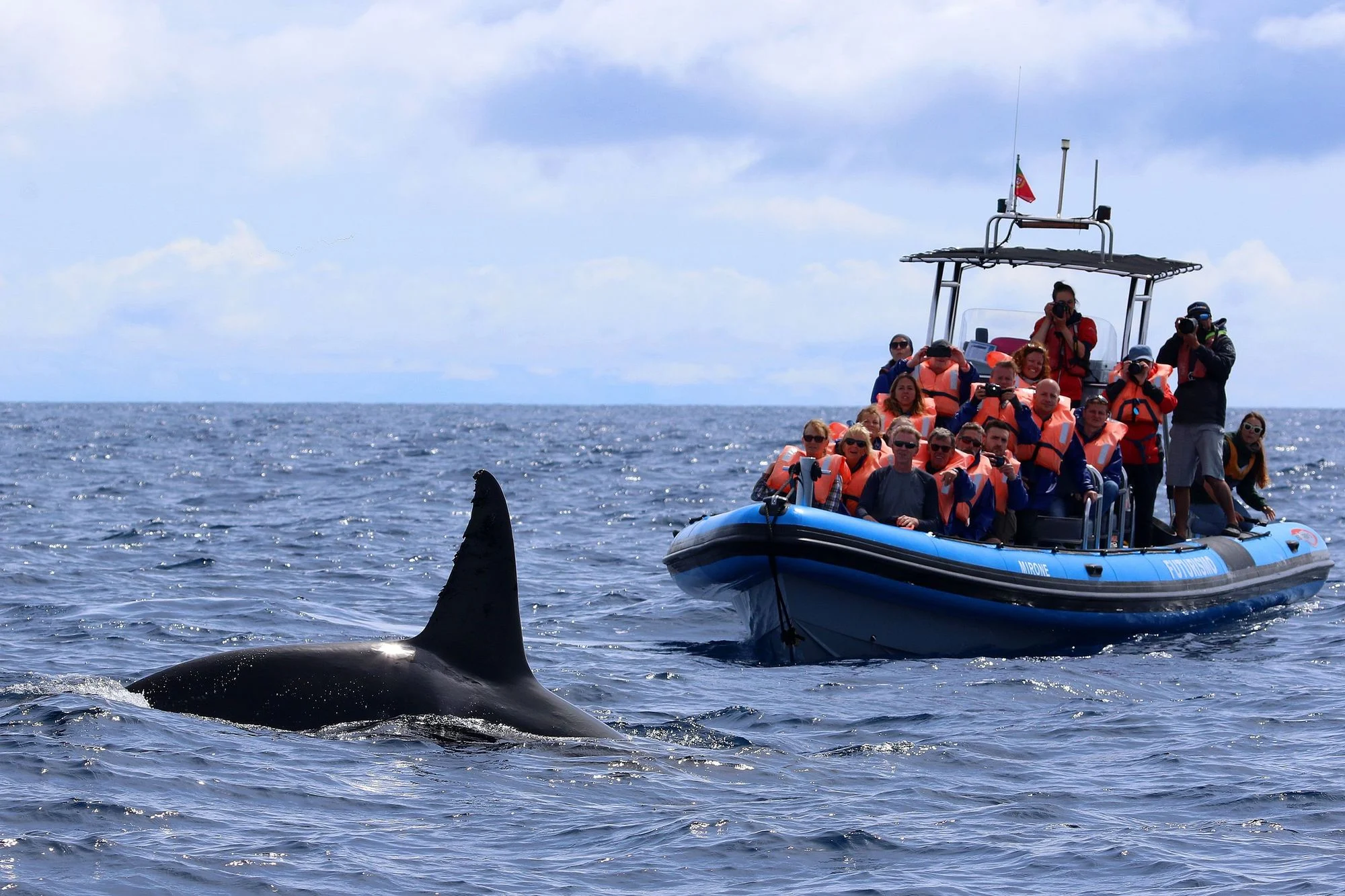
Watch for transient or resident orcas that inhabit the Salish Sea year-round.

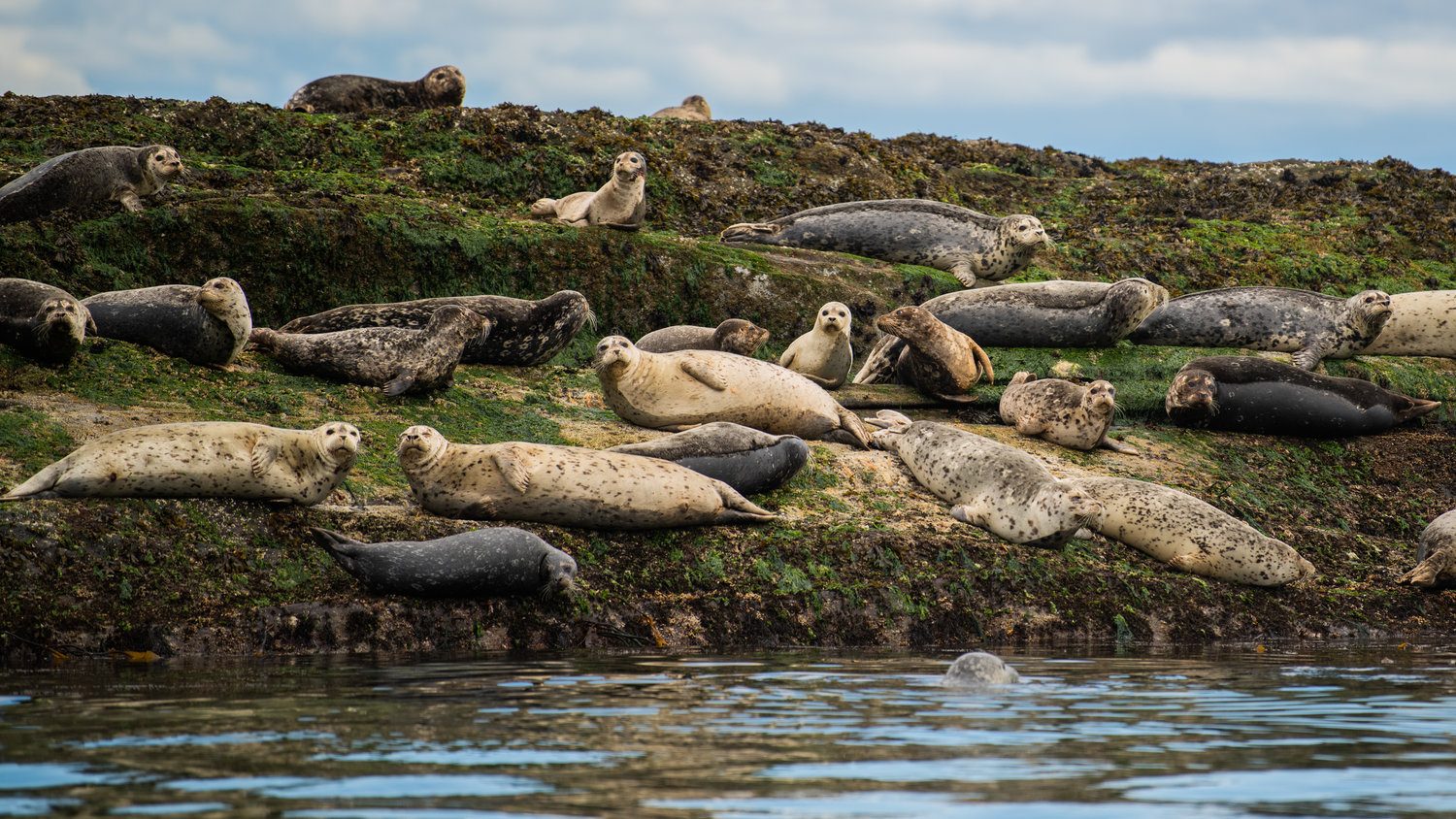
Harbor Seal Haul-outs

Harbor Seal Haul-outs

Observe harbor seals resting on rocky shorelines near the water.

Bald Eagle Nesting

Bald Eagle Nesting

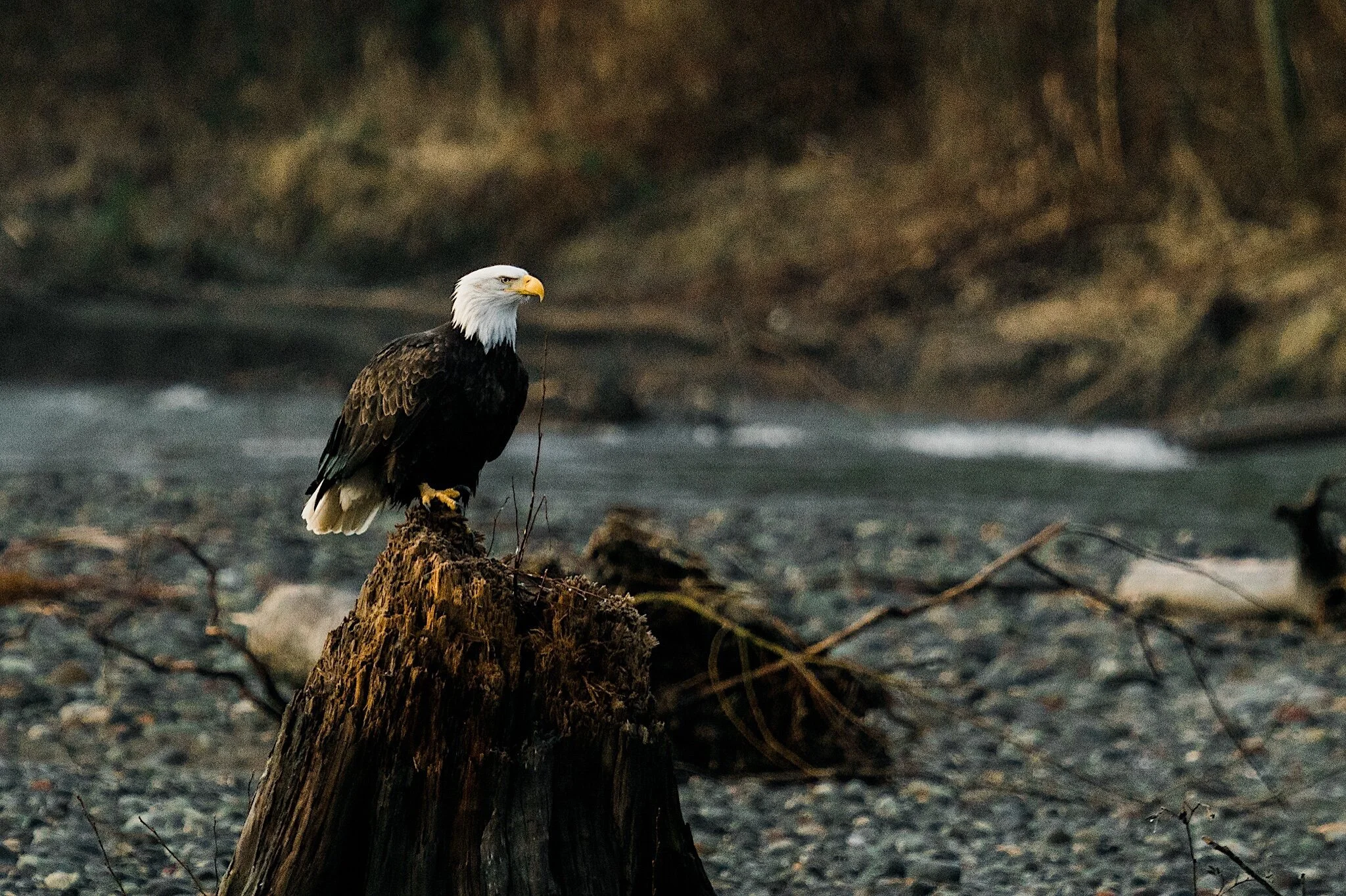
Spot bald eagles soaring near the coastlines of the Puget Sound.

Marine Bird Colonies

Marine Bird Colonies

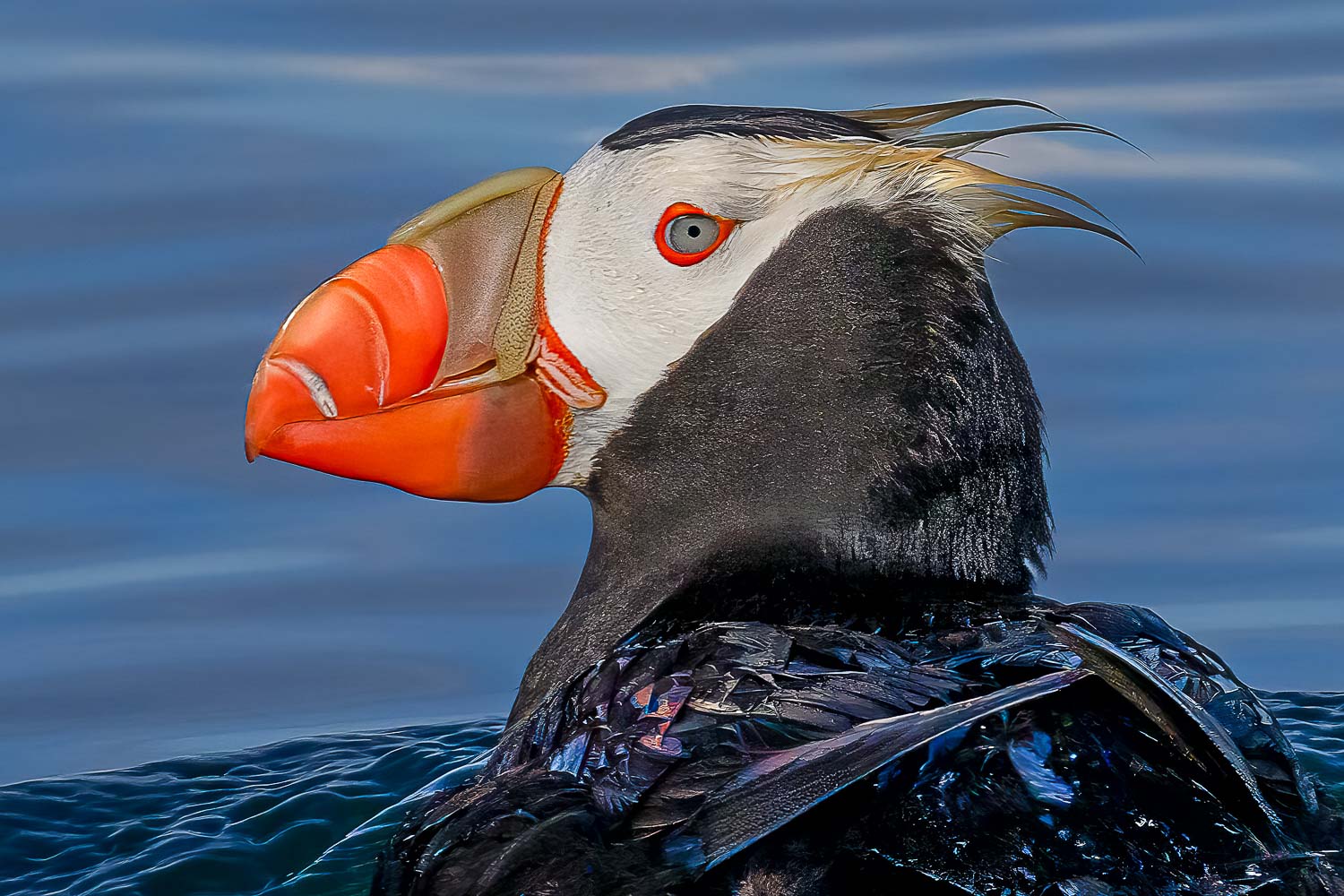
Identify various seabird species that congregate in the region.

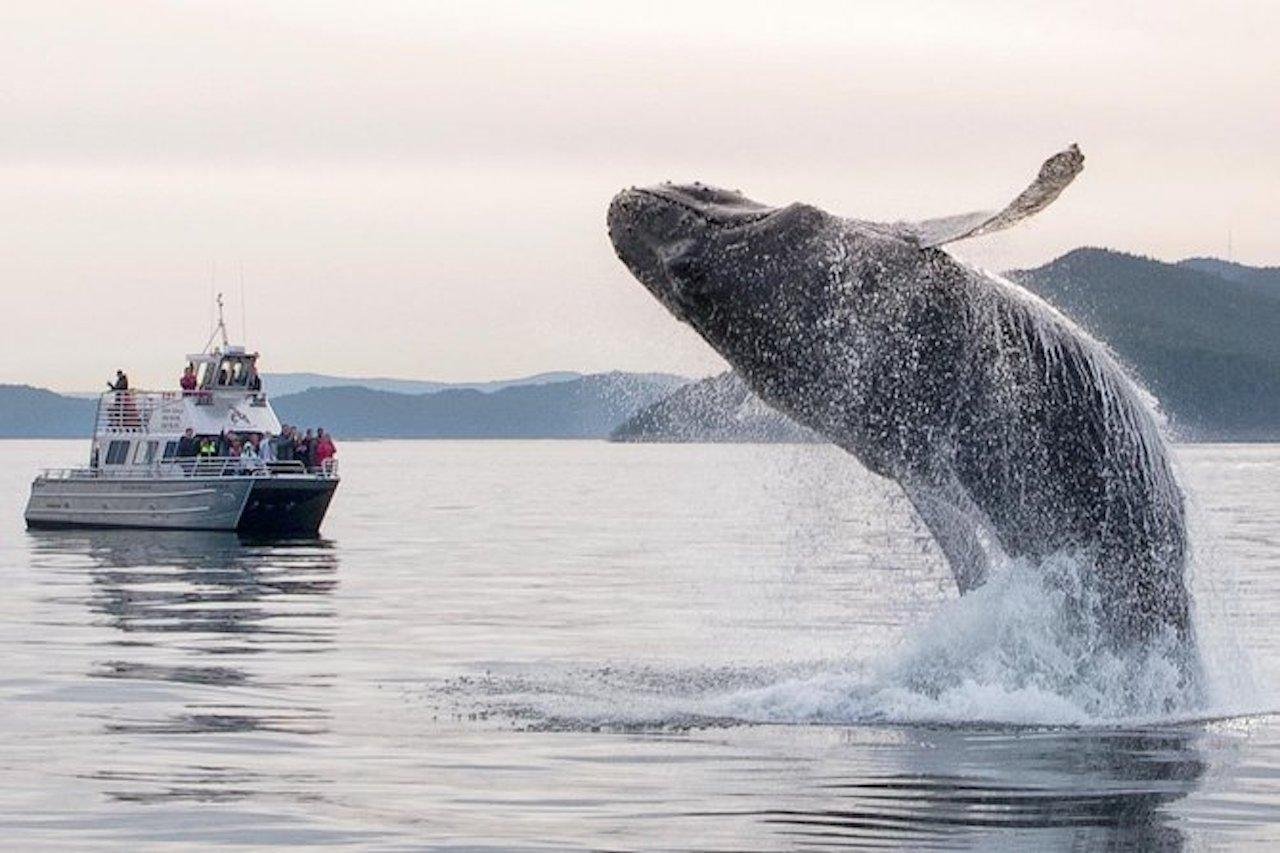
Humpback Whale Breaching

Humpback Whale Breaching

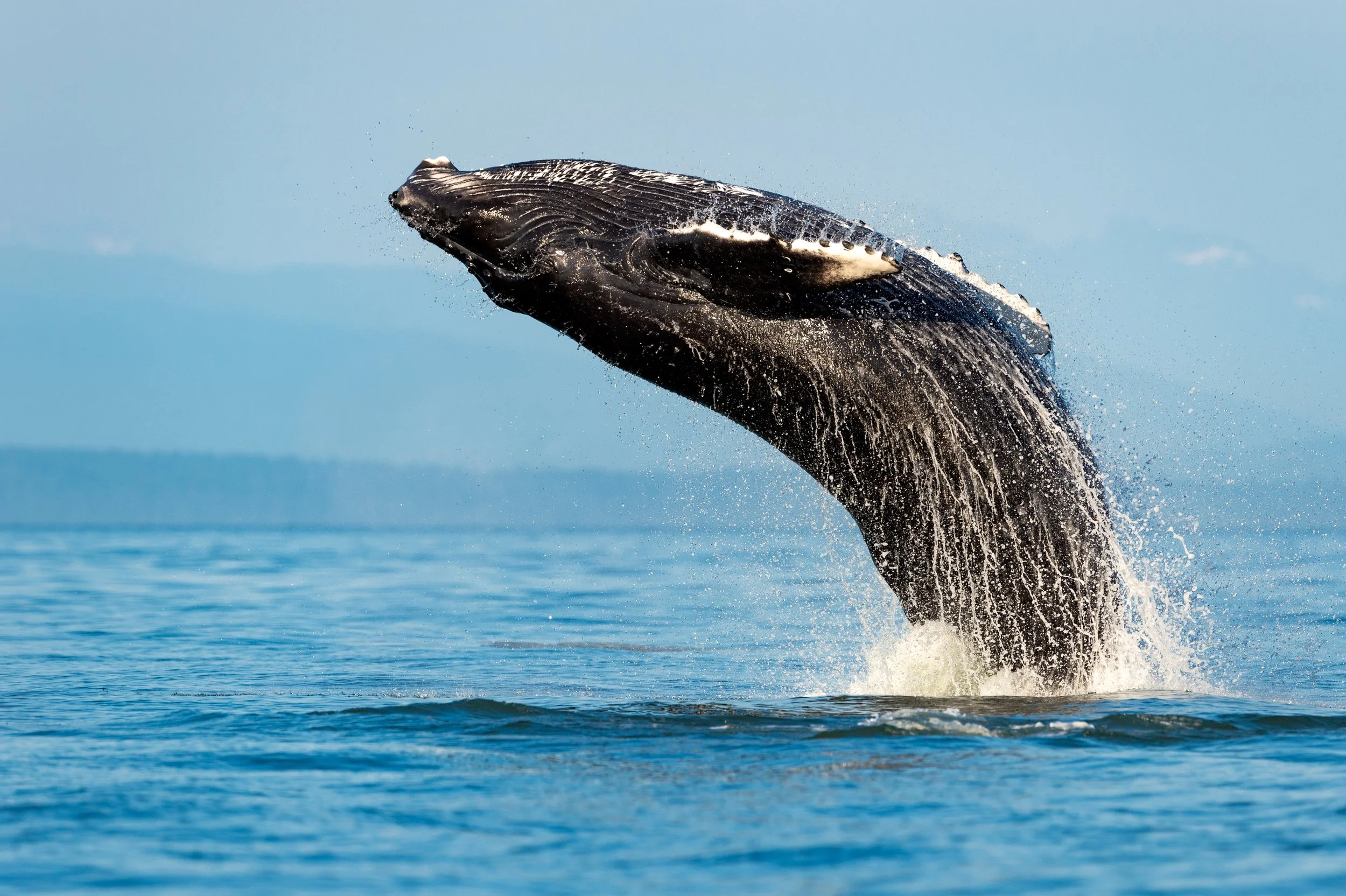
View migrating humpback whales as they travel through the area.

The experience

What visiting Whale Watching Puget Sound Washington is really like

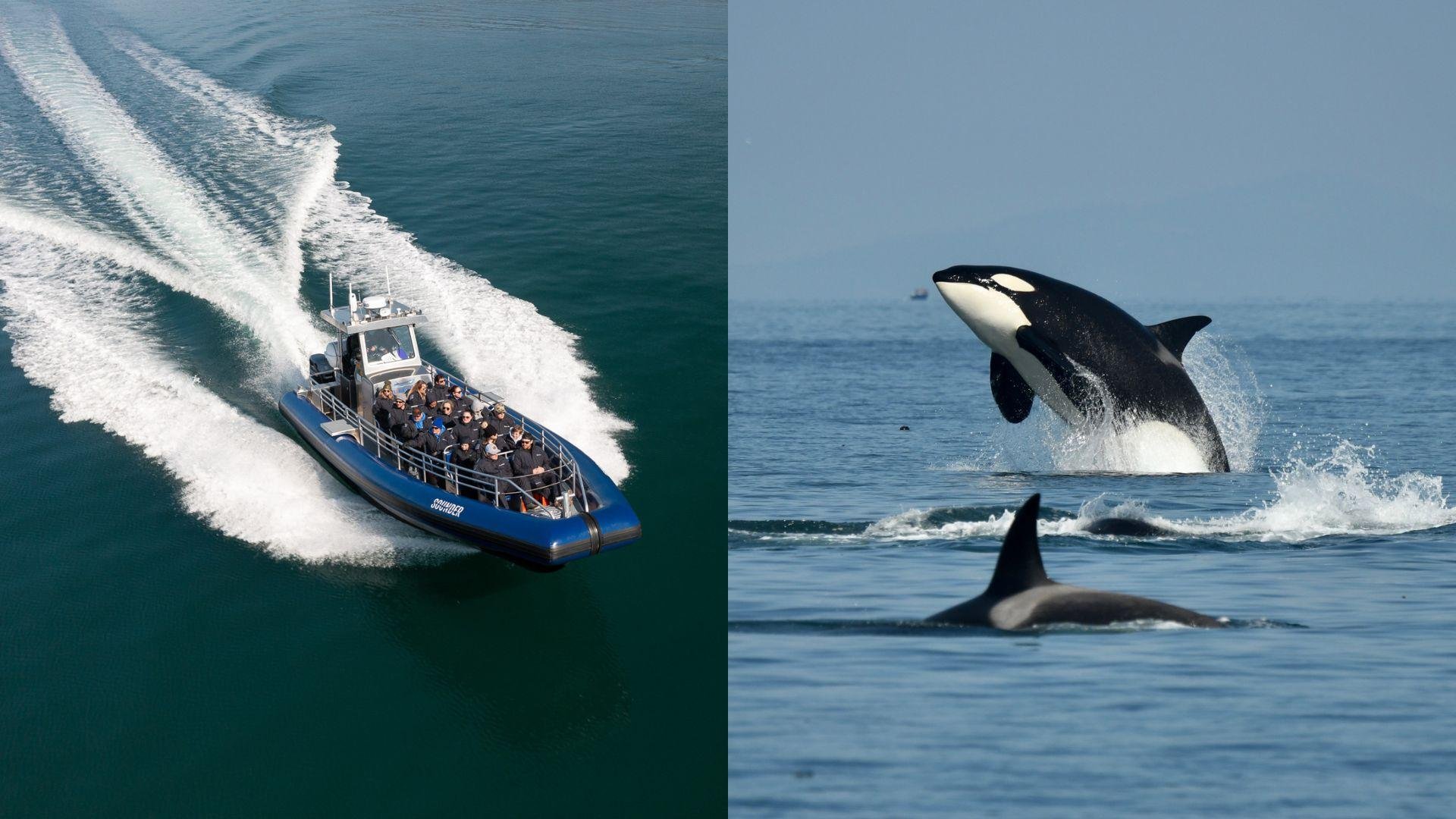
You board at Anacortes' Cap Sante Marina at 8 a.m., stepping onto a rigid-hull inflatable where a naturalist briefs you on orca identification and no-wake protocols. The vessel clears Guemes Channel at 25 knots, spray misting your flotation suit as you pass Cypress Island's forested spine.

Read more Show less

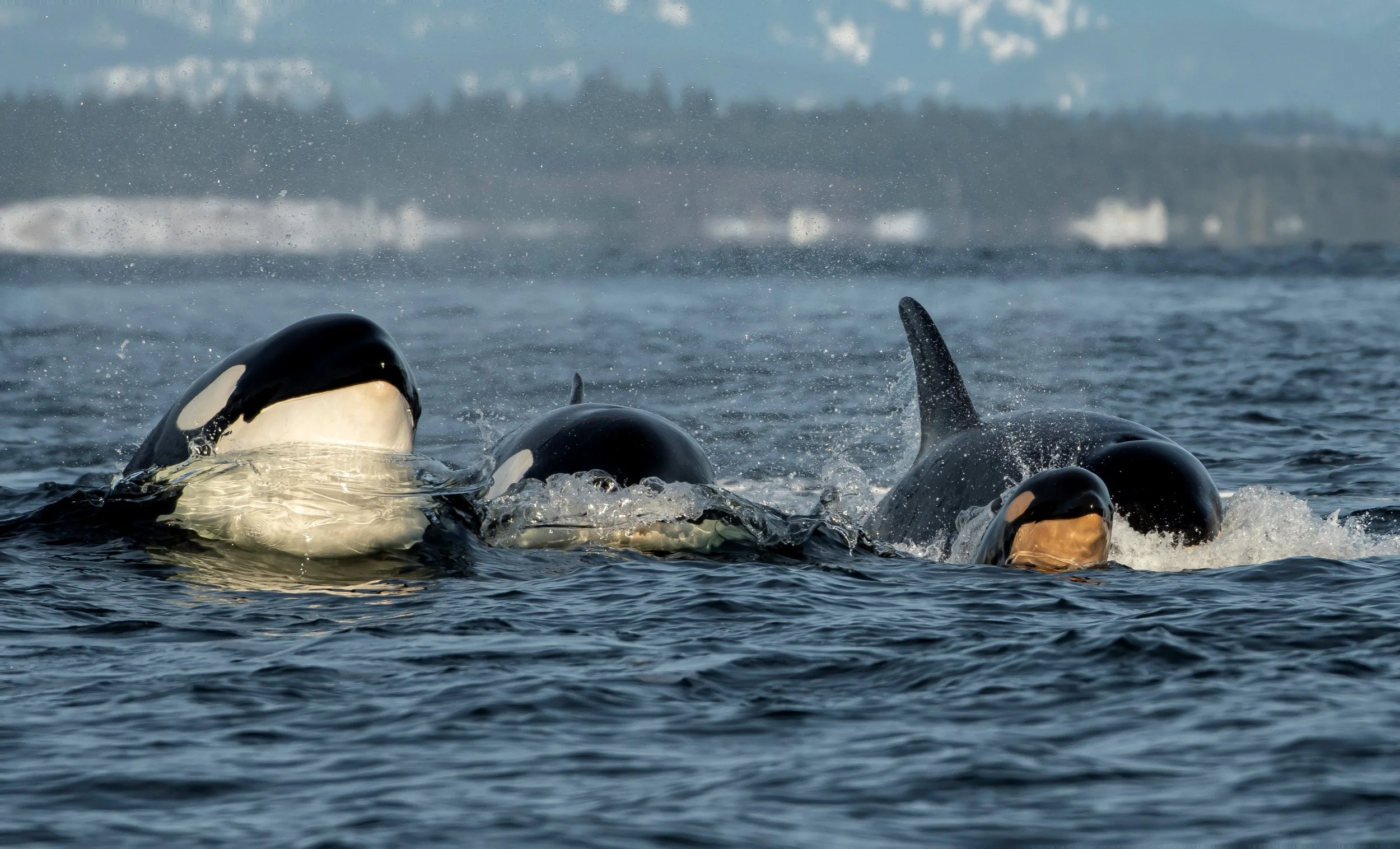
Forty minutes into the strait, the captain cuts the engine — a mile ahead, six dorsal fins slice the surface in a traveling line. You drift as the pod approaches, their exhalations audible as sharp blows, the tallest fin marking a mature male whose saddle patch matches a catalog photo the naturalist passes around.

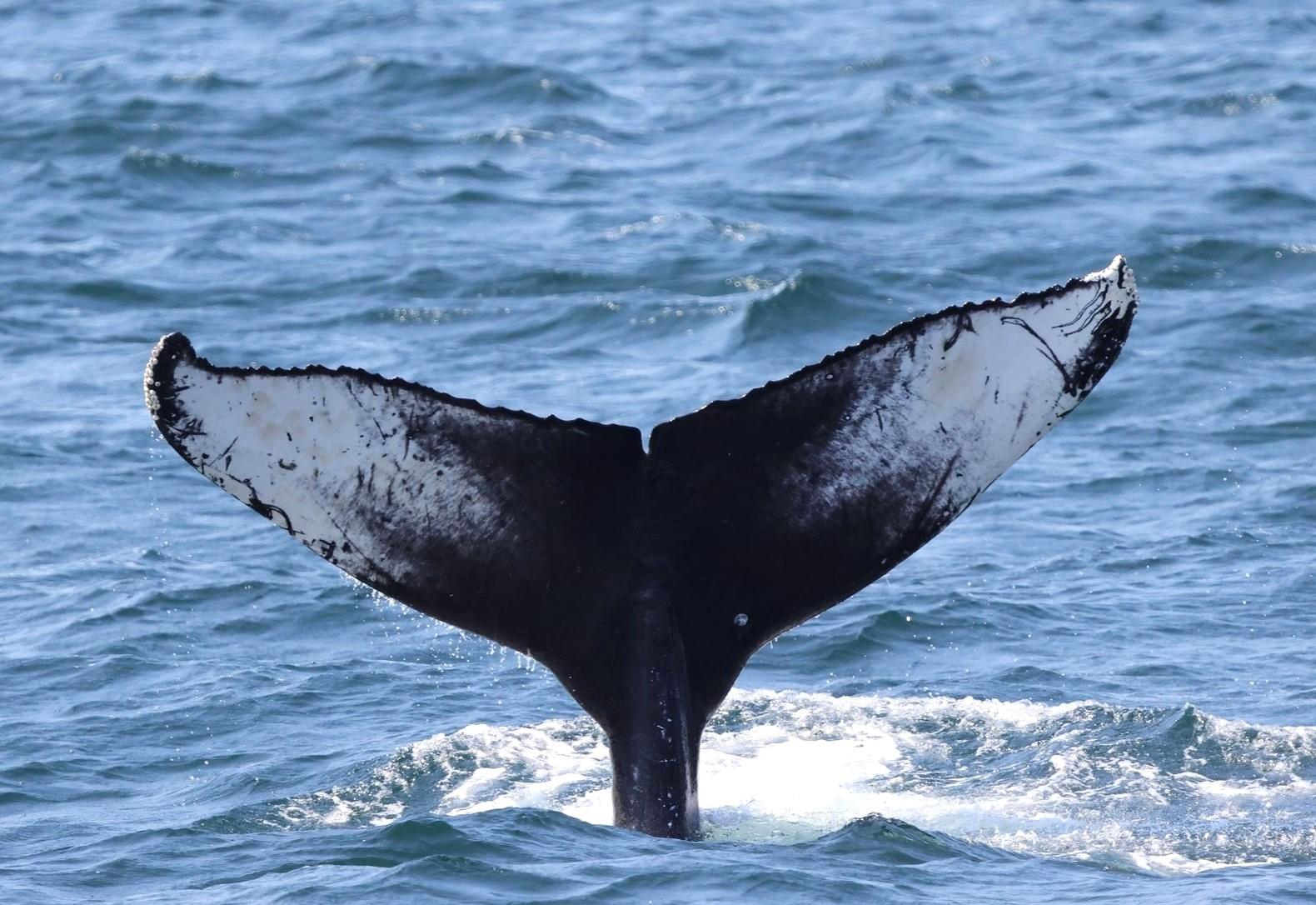
The hydrophone crackles with high-frequency clicks, then a descending whistle. A juvenile breaches 200 yards off the bow, twisting midair before slapping back in a white explosion. The naturalist identifies the pod as K-pod based on fin shape and explains their matrilineal structure — the eldest female leads, her daughters and their calves following in formation. For twenty minutes you parallel their course as they dive for salmon, resurfacing in synchronized intervals. A bald eagle lifts from a driftwood snag on Matia Island. The captain throttles south toward Rosario Strait, where a humpback flukes near Peapod Rocks, its tail stock rising in a slow arc before disappearing into 400-foot depths. You return through Thatcher Pass at noon, the San Juans receding into haze.

Whale Watching Puget Sound Washington
Everything You Need to Know

Your complete Whale Watching Puget Sound Washington guide

All the details about your upcoming adventure in one place

The Salish Sea shelters three distinct orca pods — J, K, and L — comprising roughly 75 Southern Resident killer whales that return each summer to hunt Chinook salmon along the submarine canyons west of San Juan Island.

These 8,000-pound apex predators navigate by echolocation, their clicks audible to hydrophones mounted on tour vessels, and surface in coordinated formations that have been documented by researchers since the 1970s. The population's critical endangerment status, formalized in 2005, stems from salmon depletion, vessel noise, and legacy toxins concentrated in their blubber; federal no-approach zones now mandate 300-yard distances, transforming whale watching Puget Sound Washington into a practice of patient observation rather than pursuit.

Beyond orcas, the cold nutrient-rich currents of the Salish Sea support transient gray whales migrating between Baja calving lagoons and Arctic feeding grounds, humpbacks that lunge-feed on herring balls, and Dall's porpoises whose black-and-white coloring mimics orca camouflage. Harbor seals haul out on glacial erratics, bald eagles nest in 200-year-old Sitka spruce, and Steller sea lions occupy rocky islets charted by George Vancouver's 1792 expedition. The basin's fjord topography — carved by Pleistocene ice sheets and fed by the Fraser, Skagit, and Snohomish rivers — creates salinity gradients and tidal rips that concentrate prey species, making the archipelago one of North America's most reliable cetacean corridors.

Whale watching Puget Sound Washington tours depart from Anacortes, Seattle's waterfront piers, and Tsawwassen near Vancouver, each route offering distinct encounters. Anacortes expeditions access Rosario Strait and Boundary Pass, where tidal exchanges between the Strait of Georgia and the open Pacific drive upwelling. Seattle harbor cruises traverse Elliott Bay and cross Admiralty Inlet, passing Whidbey Island's glacial bluffs. Vancouver-based operators travel the Strait of Georgia, often encountering transient orcas hunting marine mammals rather than fish. Onboard naturalists interpret behavior in real time, distinguishing resident pods by dorsal fin shape and saddle-patch pigmentation, while hydrophones broadcast the whistles and calls that constitute orca dialect.

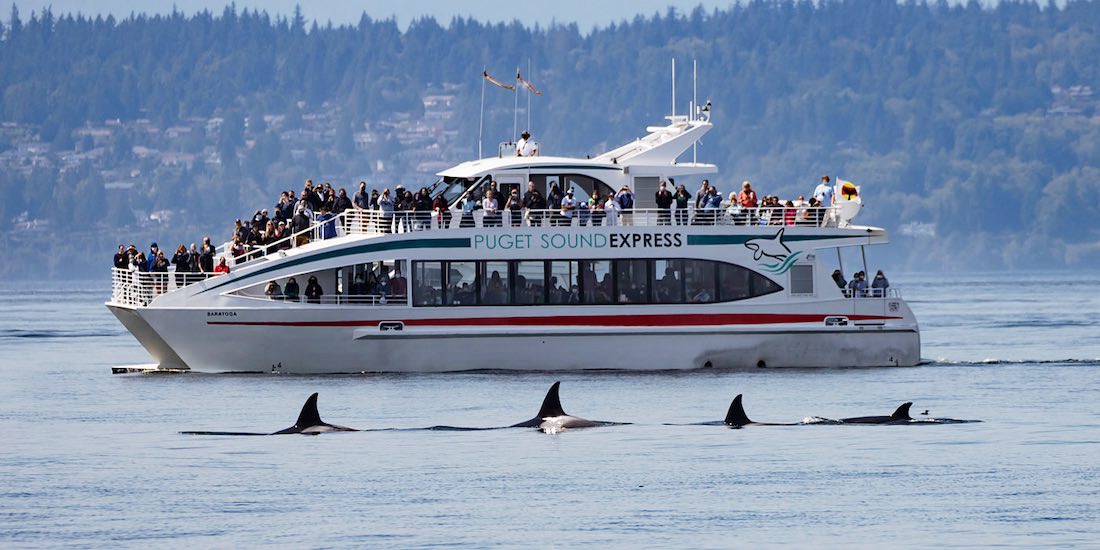
The seasonal window peaks between May and October, when daylight extends past 9 p.m. and Chinook runs draw resident pods into inland waters. Morning departures benefit from glassy conditions before afternoon westerlies roughen the strait. Vessels range from 30-passenger rigid-hull inflatables that plane at 40 knots to 100-passenger catamarans with heated cabins and restrooms, the latter favored for three-hour cruises that prioritize comfort over speed. Sightings depend on salmon availability and pod movement tracked by regional networks; operators share coordinates via VHF radio, creating floating assemblies that self-regulate under voluntary guidelines predating formal vessel restrictions.


Federal no-approach zones now mandate 300-yard distances, transforming whale watching into a practice of patient observation rather than pursuit.

Dress code

Wear multiple layers of clothing, as temperatures on the water remain significantly cooler than on land. Waterproof jackets and non-slip rubber-soled shoes are strongly recommended for all whale watching puget sound washington excursions.

Bags & security

Keep bags compact and soft-sided to ensure they fit safely under your seat during the voyage. Large hardshell luggage is typically prohibited on most whale watching puget sound washington boats.

Photography

Bring extra batteries and memory cards to capture the wildlife. Avoid using flash photography, as it can disturb the marine mammals frequently seen during whale watching puget sound washington.

Families & strollers

Children are welcome on most whale watching puget sound washington tours, provided they are supervised at all times. Check with your chosen provider for age-appropriate life vest requirements.

Accessibility

Many vessels accommodate passengers with mobility challenges, but access varies by dock and boat design. Contact your specific operator to confirm if their whale watching puget sound washington fleet is wheelchair-accessible.

Food & drink

Passengers may bring small snacks and non-alcoholic beverages on board. Ensure all waste is properly disposed of to maintain the health of the Salish Sea ecosystem.

Not allowed

× Drones × Alcoholic beverages × Glass containers × Large backpacks × Hard-sided coolers × Tripods × Laser pointers × Smoking materials × Open-toed sandals × Weapons

What to bring

✓ Binoculars ✓ Sunscreen ✓ Sunglasses ✓ Waterproof jacket ✓ Warm layers ✓ Camera ✓ Water bottle

Opening hours

Mon 08:00 – 18:00
Tue 08:00 – 18:00
Wed 08:00 – 18:00
Thu 08:00 – 18:00
Fri 08:00 – 18:00
Sat 08:00 – 18:00
Sun 08:00 – 18:00

How to get there

At a glance

Opening hours

08:00–18:00

Address

Salish Sea, Puget Sound, Washington, USA

Accessibility

Varies by vessel; inquire with operator

Best arrival

08:00–12:00

Storage

Limited availability on boats

Getting there

Public transport · 30-60 mins · 3-5 USD

Use Sound Transit Light Rail to reach downtown waterfront hubs.

Car · Varies · 20-40 USD

Parking is available in paid structures near major downtown piers.

Cancellation policy

Most whale watching puget sound washington tours require cancellations at least 48 hours in advance for a full refund. Please review specific operator terms as the 0 USD entrance fee is not applicable to private tour costs.

Plan your time

Planning Your Whale Watching Puget Sound Washington Itinerary

Recommended time

4-6 hours

Planning your whale watching puget sound washington itinerary requires accounting for travel to the Salish Sea and potential maritime conditions. Most whale watching puget sound washington tours last several hours, so choosing a morning slot helps you secure the best vessel boarding experience. By booking your whale watching puget sound washington tickets early, you can enjoy calmer marine waters and maximize your time viewing orcas or humpbacks in their natural habitat.

Crowd levels through the day

08:00–10:00 Light
10:00–12:00 Moderate
12:00–14:00 Peak
14:00–16:00 High
16:00–18:00 Moderate
Plan ahead

Best time to visit Whale Watching Puget Sound Washington

Weather · crowds · average price — dots go green to amber to red as each metric rises.

Spring

April to June features migrating whales and increasing activity levels.

Summer

July to September offers the most stable weather and frequent sightings.

Autumn

October brings cooler air and fewer crowds for wildlife enthusiasts.

Winter

November to March focuses on harbor seals and specialized birding tours.

Insider tips

Helpful tips for visiting Whale Watching Puget Sound Washington

Book Early

Reserve whale watching puget sound washington tickets well in advance to ensure availability during peak summer dates.

Hydrate

Drink plenty of water to minimize the risk of motion sickness while on the water.

Monitor Weather

Check marine weather forecasts before your trip as tours may reschedule due to high winds.

Use Binoculars

Bring your own optics to spot distant wildlife before they surface near the boat.

Dress Warmly

Even on sunny days, the wind chill on the water makes it feel much colder.

Where to meet

Whale Watching Puget Sound Washington meeting points

Seattle Waterfront

Pier 55, Seattle, WA

Common departure point for city-based tours

Get directions
The story

The history of Whale Watching Puget Sound Washington

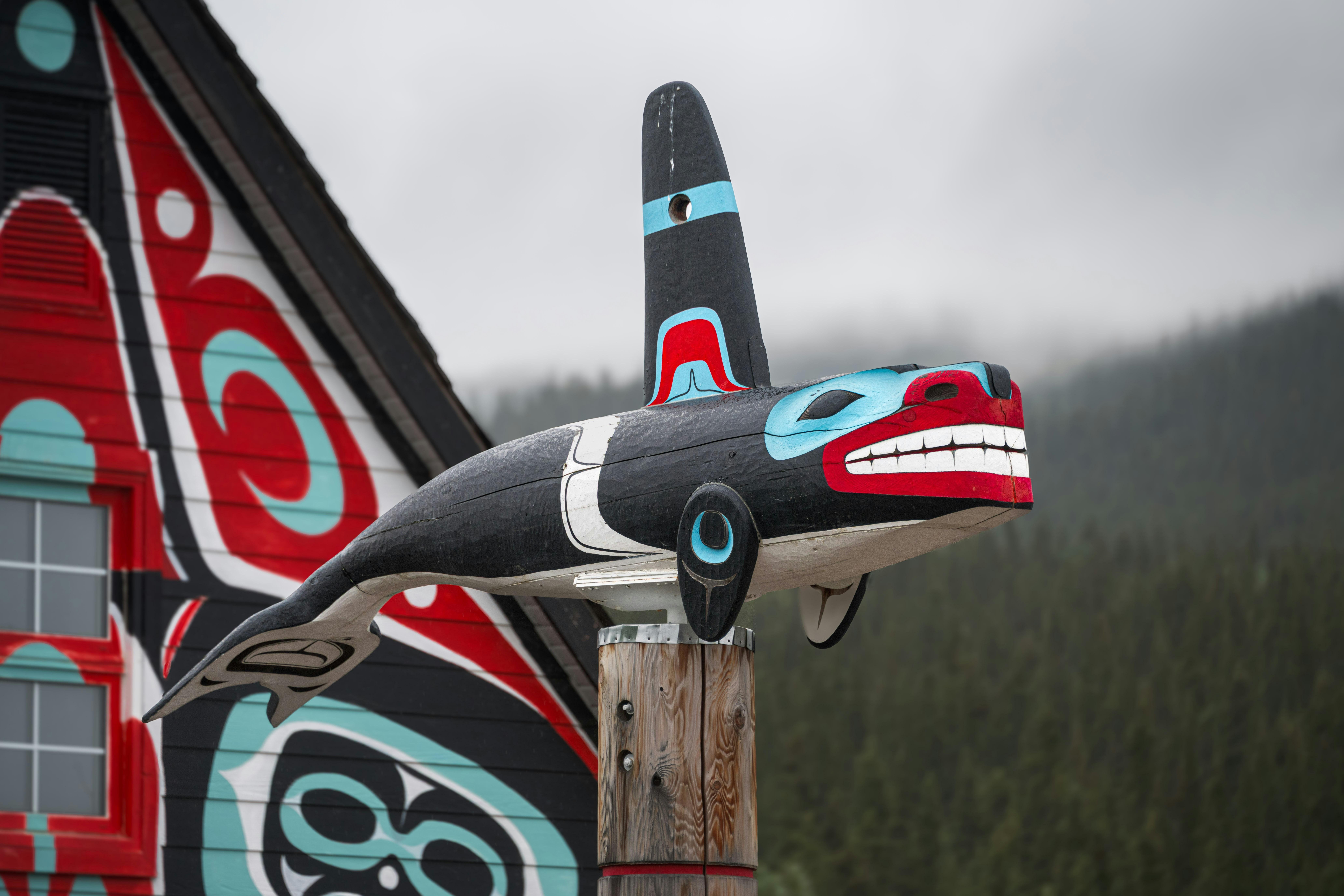
The Indigenous Coast Salish peoples—including the Lummi, Suquamish, and Duwamish—navigated the Salish Sea for millennia, hunting gray whales seasonally and developing sophisticated knowledge of orca pod movements. European and American settlers arrived in the mid-1800s, establishing commercial whaling stations along Puget Sound by the 1850s. Shore-based whaling operations near Port Townsend and Grays Harbor targeted gray whales migrating along the coast, processing blubber into oil for lamps and machinery. By 1900, whale populations had collapsed under industrial pressure. The Marine Mammal Protection Act of 1972 marked a turning point. Commercial whaling ceased, and federal researchers began studying the Southern Resident orcas—three pods labeled J, K, and L—that frequented the inland waters between May and October. The first whale watching puget sound washington tours launched in the late 1970s from Friday Harbor on San Juan Island, where naturalists aboard converted fishing boats offered close encounters with orca families. Demand surged through the 1980s as awareness of whale intelligence spread. By 1991, operators faced growing criticism over vessel noise and proximity disturbances, prompting Washington State to implement 200-yard distance guidelines. The early 2000s brought sobering science. Chinook salmon stocks—the orcas' primary prey—had declined by 60 percent since 1984, starving the Southern Residents. In 2005, the population was listed as endangered under federal law, with only 79 individuals remaining. Whale watching puget sound washington operators adopted stricter protocols: engines idled in neutral within half a mile of whales, and drones were prohibited. Commercial tour companies now partner with the Whale Museum and University of Washington researchers, contributing sighting data to track pod health. Orca populations remain fragile, fluctuating between 73 and 75 individuals as of 2026, while gray whale migrations have partially recovered along the outer coast.

Pre-1800s

Coast Salish tribes hunt gray whales and track orca pods across the Salish Sea for subsistence and ceremonial use.

1850s–1900

Commercial whaling stations operate near Port Townsend, depleting gray whale populations along Puget Sound.

1972

Marine Mammal Protection Act ends commercial whaling and establishes federal protections for all cetaceans in U.S. waters.

Late 1970s

First commercial whale watching tours depart from Friday Harbor, focusing on Southern Resident orca pods.

1991

Washington State implements 200-yard minimum distance guidelines to reduce vessel disturbance to whales.

2005

Southern Resident orcas listed as endangered under the Endangered Species Act, with 79 individuals recorded.

2010s–present

Operators adopt stricter protocols and contribute sighting data to researchers monitoring orca recovery efforts.

Photo spots

Best photo spots at Whale Watching Puget Sound Washington

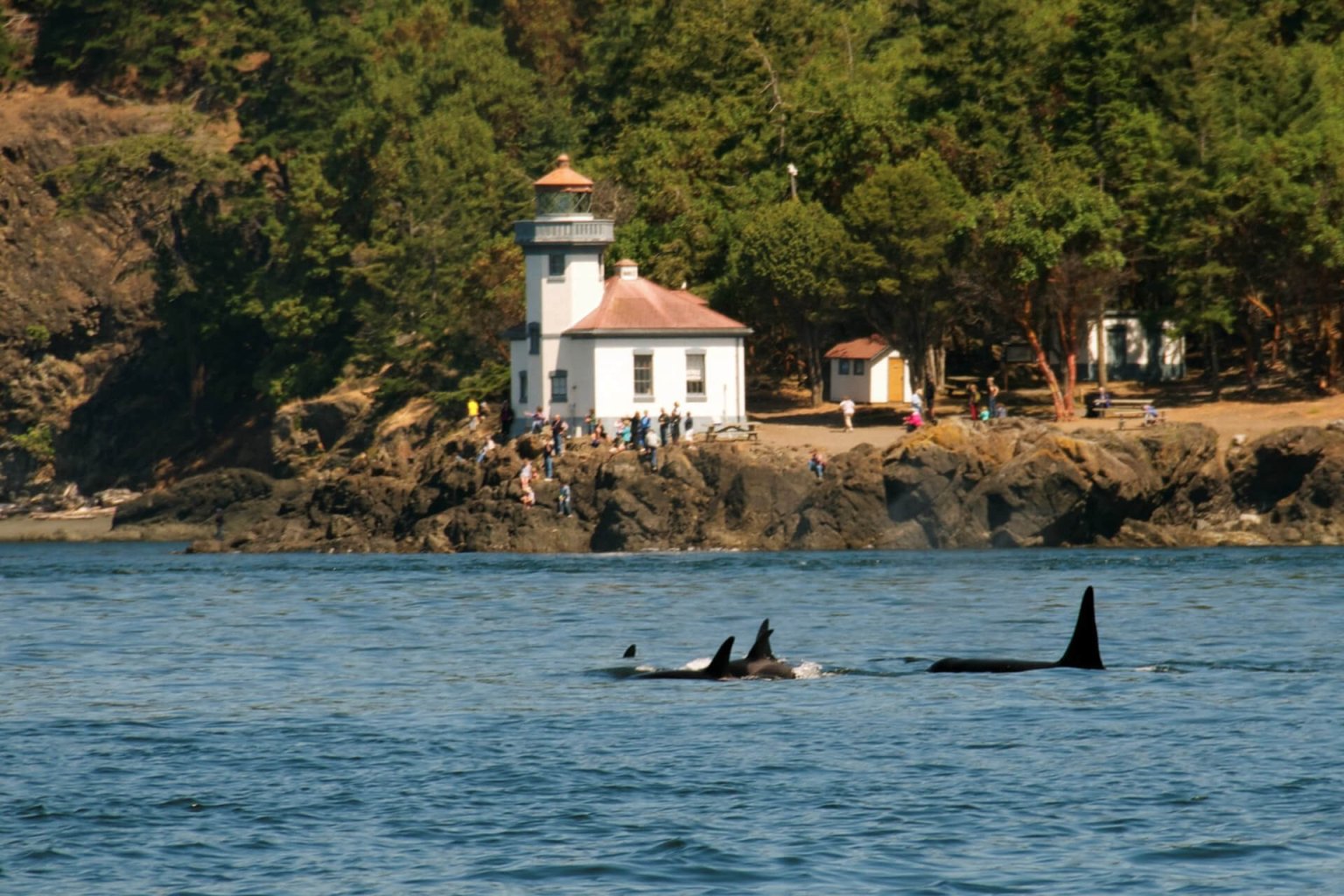
Lime Kiln Point State Park

Lime Kiln Point State Park

Best light · Golden hour

Stand on the rocky shoreline near the historic lighthouse to capture cetaceans passing through the San Juan Channel. This location provides a vantage point for viewing orcas from the land.

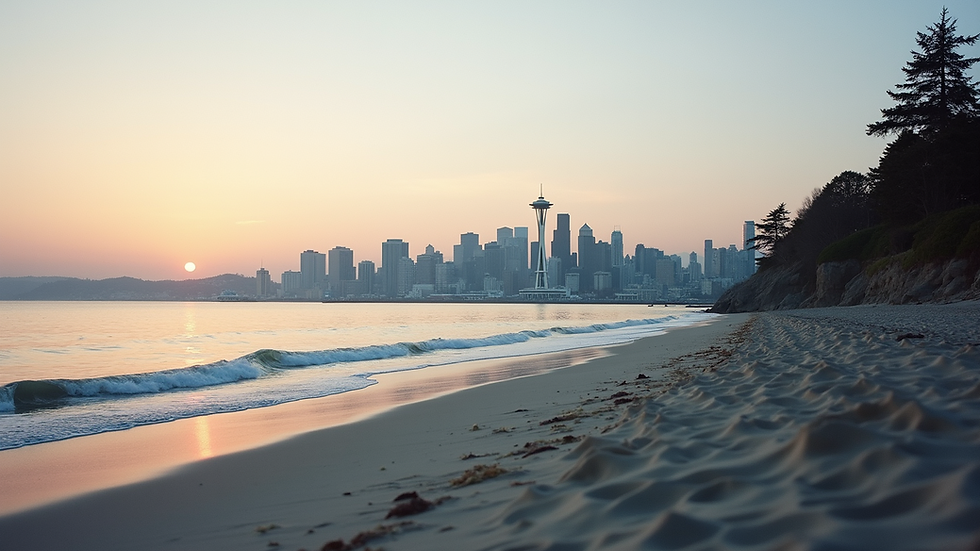
Alki Beach

Alki Beach

Best light · Before 09:00

Position yourself along the seawall to photograph vessels heading out for a whale watching puget sound washington excursion. The skyline of Seattle provides a sharp backdrop for marine photography.

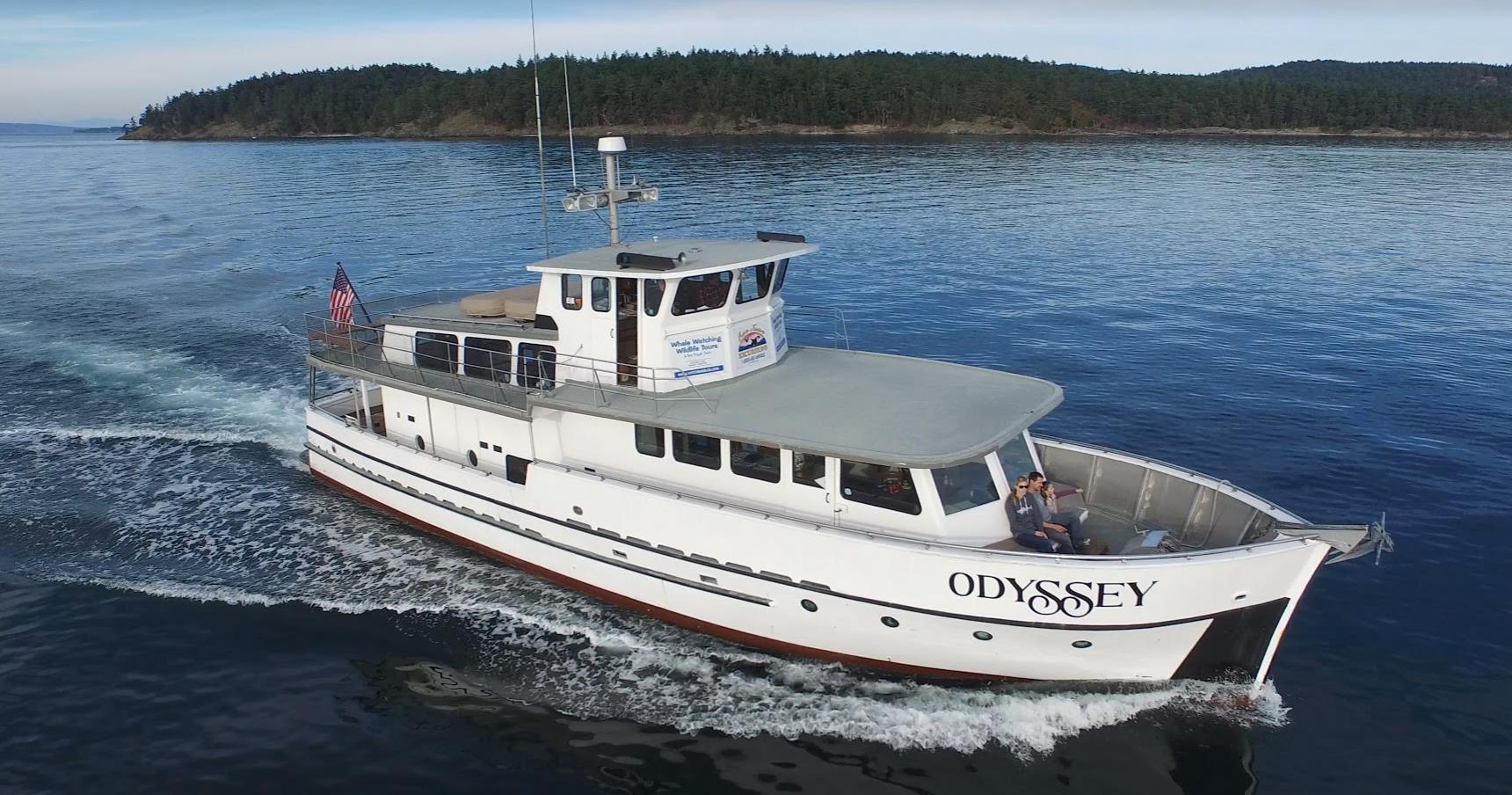
Port of Friday Harbor

Port of Friday Harbor

Best light · 08:00–12:00

Walk to the end of the public pier where many whale watching puget sound washington tours depart. This spot is ideal for close-up shots of boats and harbor seals.

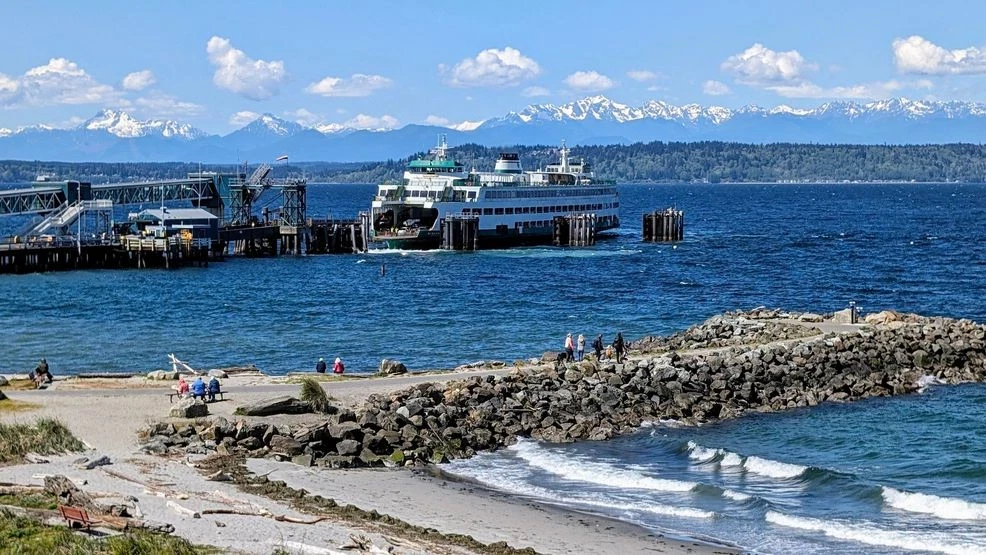
Edmonds Waterfront Park

Edmonds Waterfront Park

Best light · Late morning

Use the ferry terminal pier to frame marine mammals against the backdrop of the Olympic Mountains. Secure your whale watching puget sound washington tickets and use the ferry wakes to create movement in your compositions.

Gallery

Moments from Whale Watching Puget Sound Washington

With kids

Family Essentials for Whale Watching Puget Sound Washington

Planning a marine excursion for the family requires careful preparation when whale watching puget sound washington to ensure a safe and comfortable experience on the water. Focusing on vessel stability and appropriate gear will help children enjoy spotting orcas and other wildlife throughout the Salish Sea.

Motion Sickness

Pack non-drowsy medication or ginger chews and administer them before boarding your chosen whale watching puget sound washington tours. Positioning children in the center of the vessel often helps minimize the sensation of boat movement during rougher patches.

Age Suitability

Most operators recommend these trips for children aged five and older who can safely navigate moving decks and follow captain instructions. Always check specific whale watching puget sound washington tickets for minimum age requirements before booking your group.

Facilities

Restrooms on board are typically compact and may be difficult for toddlers to access without assistance during a whale watching puget sound washington tour. Use facility amenities at the marina before departure to avoid mid-trip complications.

Packing Essentials

Bring layers, windbreakers, and sun protection as temperatures on the water change rapidly even in early autumn. Secure all hats and loose items, as the open-air observation decks can become windy while the boat is in transit.

Food & drink

Where to Eat After Whale Watching Puget Sound Washington

Dining options near the Salish Sea are primarily found in bustling port towns where visitors enjoy local seafood after whale watching puget sound washington excursions. Most departures from Seattle or Anacortes place you within a short walk of waterfront cafes and bistros.

Ivar's Acres of Clam

$15-30

Bistro — 5 min walk

Located on the Seattle waterfront, this historic spot serves classic clam chowder and fish and chips. It is a popular choice for those finishing whale watching puget sound washington tours during the busy lunch hour.

Dad's Diner A Go-Go

$20-40

Casual Eatery — 3 min walk

Situated near the Anacortes docks, this local favorite offers elevated comfort food perfect for post-voyage appetites. Arrive early as seating fills quickly when travelers return from a whale watching puget sound washington tour.

Fishermen's Restaurant

$25-50

Seafood Grill — 2 min walk

This waterfront venue specializes in fresh catches and regional delicacies ideal for groups holding whale watching puget sound washington tickets. Its proximity to the docks makes it a convenient stop for a post-wildlife sighting meal.

FAQ

Whale Watching Puget Sound Washington — frequently asked questions

Everything you need to know for your journey

Around the corner

More to see near Whale Watching Puget Sound Washington

Pike Place Market

5 min

landmark

Iconic market overlooking the waterfront area.

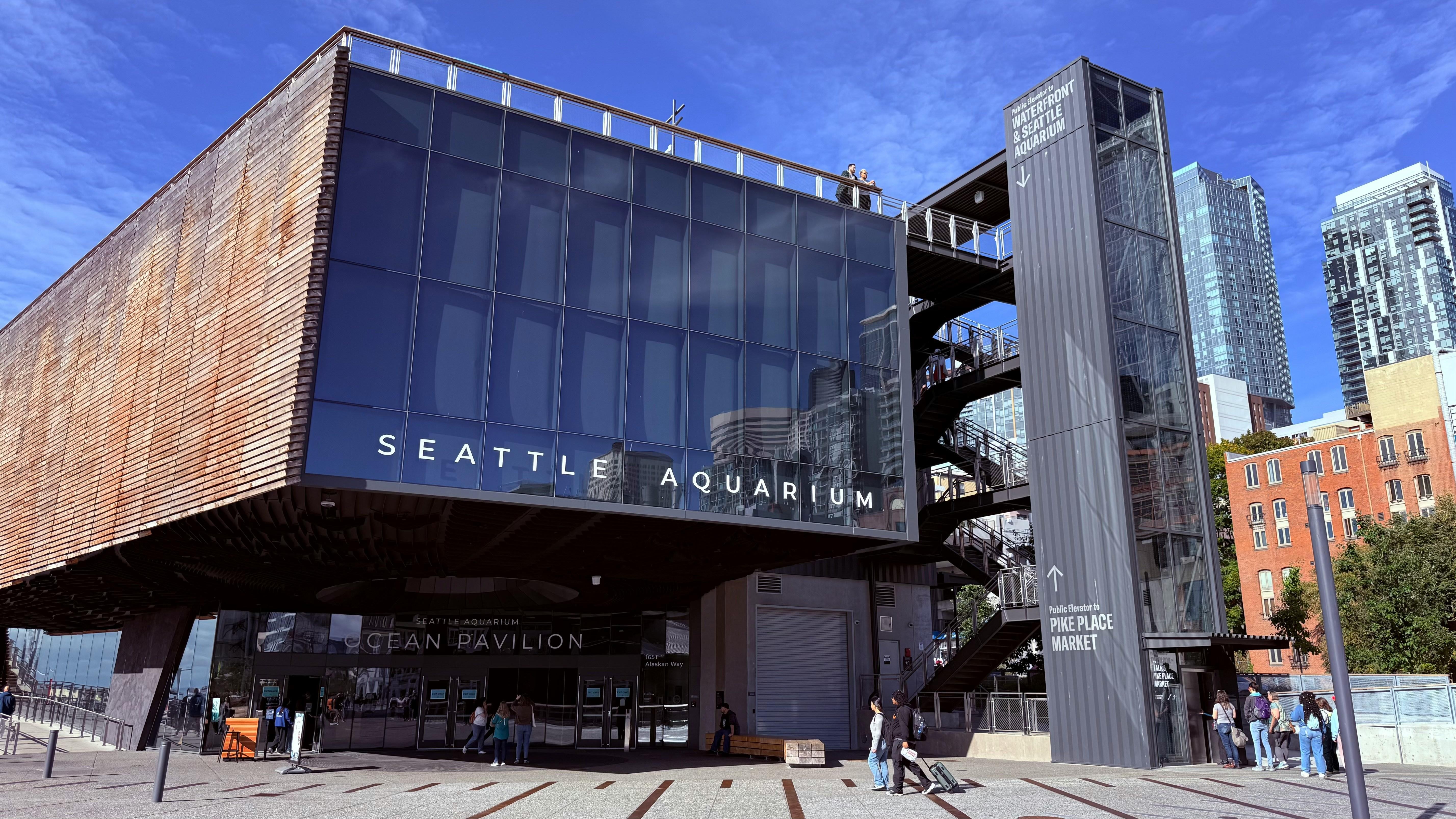
Seattle Aquarium

2 min

museum

Explore regional marine life exhibits near the docks.

Olympic Sculpture Park

10 min

park

Scenic park featuring art and harbor views.

Great Wheel

1 min

viewpoint

Observation wheel offering views of the bay.

Where to stay

Where to stay near Whale Watching Puget Sound Washington

Edgewater Hotel

2 min

luxury

Waterfront hotel offering direct bay access.

Inn at the Market

5 min

boutique

Charming stay near the main boarding areas.

Belltown Hotels

10 min

mid-range

Convenient district for visitors accessing the port.

Ready for Adventure?

Join thousands of happy travelers who have discovered this incredible experience

Book Your Experience Now