

Quick answer
Yes, you can see whales in Washington state year-round in the Salish Sea. Three Southern Resident orca pods (J, K, and L) inhabit these waters permanently, while humpback and gray whales migrate through during spring and fall. Peak sighting windows run May through October for orcas and March through May for northbound gray whales. Public shorelines from Lime Kiln Point to Mukilteo offer free viewing access, with optimal daylight conditions between 9 AM and 5 PM.
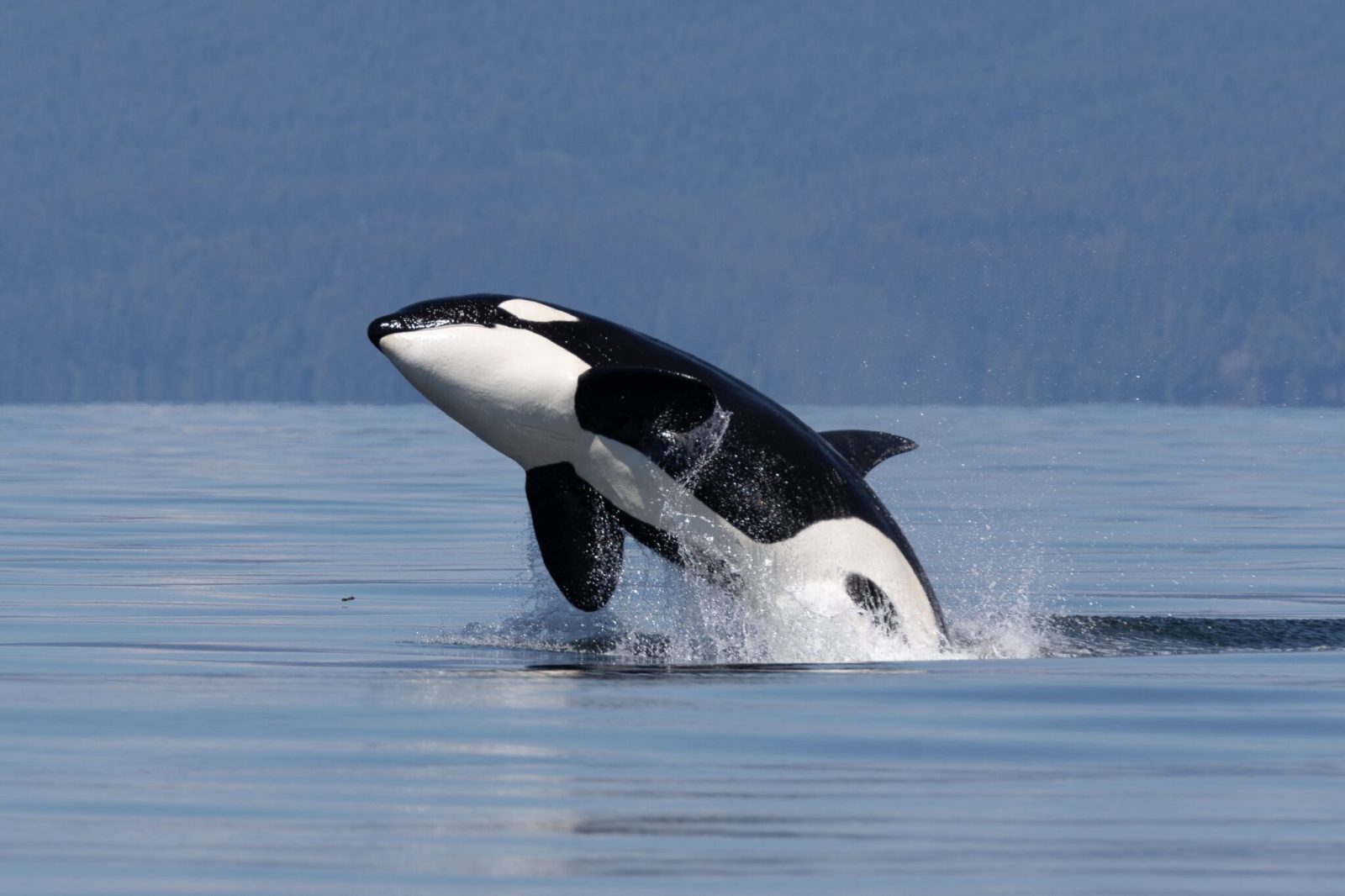
The Southern Resident orcas number fewer than seventy-five individuals, making every sighting along Washington's coast a encounter with one of the planet's most studied and monitored populations. These fish-eating killer whales follow Chinook salmon runs through the Strait of Juan de Fuca and around the San Juan Islands, creating predictable viewing corridors that draw researchers and visitors to the same stretches of water. Can you see whales in Washington state without booking a tour? Absolutely. Lime Kiln Point State Park on San Juan Island functions as the only dedicated whale-watching park in the United States, with interpretive staff and hydrophones that broadcast orca vocalizations during summer months. On the mainland, Point Wilson near Port Townsend and Possession Point in Mukilteo provide elevated shoreline access where gray whales surface during their 12,000-mile migration between Baja lagoons and Arctic feeding grounds. Binoculars help, but breaching humpbacks and the tall dorsal fins of male orcas remain visible to the naked eye at distances exceeding half a mile. Timing matters less than location. While spring and fall amplify sighting probabilities as migratory species pass through, the resident orca pods range across the Salish Sea in every season, their movements dictated by salmon availability rather than calendar dates. Winter sightings occur with enough frequency that ferry passengers on the Anacortes–Sidney route routinely spot whales from heated cabins. Transient orcas—mammal hunters genetically distinct from the fish-eating residents—patrol year-round, often traveling closer to shore than their salmon-dependent counterparts. Whale watching in Washington state requires no special permits for shore-based observation. The Whale Trail organization maintains an online map marking ninety-three land-based viewing sites across the Pacific Northwest, each selected for sighting frequency and public access. Tour operators departing from Friday Harbor, Bellingham, and Seattle operate under federal guidelines that mandate 200-yard minimum distances from Southern Residents, a buffer designed to reduce acoustic disturbance in waters already dense with commercial shipping traffic.
“Lime Kiln Point functions as the only dedicated whale-watching park in the United States, with hydrophones broadcasting orca vocalizations during summer months.”
When Can You See Whales In Washington State?
While whales inhabit the Salish Sea year-round, the prime viewing period spans from April through September when migratory species are most active. This window provides the highest probability of sightings for transient and resident orcas, humpback whales, and minke whales.
Spring (April–May)
Moderate crowds50°F–60°F; variable spring showers
Migratory humpbacks begin arriving and transient orcas are frequently sighted.
Summer (June–August)
Peak visitor numbers60°F–75°F; clear and sunny
This peak season offers stable conditions and high activity for all local whale species.
Early Autumn (September)
Decreasing crowds55°F–65°F; cool and crisp
Humpback whale activity often peaks as they feed before migrating south.
Verdict: For the highest probability of sightings, plan your visit for a weekday morning between April and September.
Viewing Hours: Can You See Whales In Washington State Any Time?
The Salish Sea is accessible for shoreline whale watching at all hours, though visibility is strictly dependent on available daylight. For the best conditions, visitors should plan their observation during the optimal arrival window of 09:00–17:00.
| Monday | 00:00–23:59 | |
|---|---|---|
| Tuesday | 00:00–23:59 | |
| Wednesday | 00:00–23:59 | |
| Thursday | 00:00–23:59 | |
| Friday | 00:00–23:59 | |
| Saturday | 00:00–23:59 | |
| Sunday | 00:00–23:59 |
Is It Free? Can You See Whales In Washington State Without A Tour?
Admission costs depend on whether you choose to observe wildlife from public shorelines or participate in a commercial boat excursion. Land-based viewing is accessible at no cost, while private tours incur fees determined by individual operators.
Viewing from the shore costs 0 USD, while commercial tour prices vary based on the operator and vessel chosen.
Logistics: How To Reach Sites Where You Can See Whales In Washington State
The Salish Sea encompasses the inland waters of Washington State, with primary whale watching access points located in Seattle, Anacortes, and the San Juan Islands. Travelers typically reach these coastal hubs via regional ferry networks, major highways, or international airports.
I-5 North to Anacortes ferry terminal
Washington State Ferries from Anacortes to Friday Harbor
Sound Transit Link light rail to Seattle waterfront
State Route 20 to the northern Puget Sound region
Interesting Facts: What Species Can You See Whales In Washington State?
The Salish Sea hosts a diverse array of marine mammals, each exhibiting distinct social structures and foraging habits. Understanding these species provides deeper insight into the ecological complexity of Washington State waters.
3 distinct ecotypes of orcas reside here
The Salish Sea is home to Southern Resident, Bigg's (transient), and offshore orca populations, which differ significantly in diet and social behavior.
Bigg's orcas hunt marine mammals
Unlike the fish-eating Southern Residents, Bigg's orcas specialize in hunting seals, sea lions, and porpoises using stealthy, silent tactics.
Southern Residents are fish specialists
This endangered population primarily consumes Chinook salmon and utilizes complex echolocation clicks to locate their prey in deep water.
Gray whales migrate through the region
Every spring, Pacific Gray whales travel thousands of miles from Mexico to Alaska, often stopping in the Salish Sea to feed on ghost shrimp.
Humpback whales display bubble-net feeding
Humpback whales have returned to the region in higher numbers, often using cooperative bubble-netting techniques to corral schools of small fish.
Minke whales are solitary hunters
These small baleen whales are elusive and typically travel alone, often identified by their quick surfacing patterns and lack of a visible blow.
Harbor porpoises inhabit nearshore waters
Small and shy, these porpoises are frequently observed in shallow bays and river estuaries throughout the year.
Responsible Viewing: How Can You See Whales In Washington State Ethically?
Washington State enforces strict marine mammal protection laws under federal and state regulations. Violations can result in fines up to $20,000 and criminal penalties, making responsible viewing practices essential for both whale welfare and legal compliance.
Do
- Stay at least 200 yards from orcas and 100 yards from other whales
- Reduce speed to under 7 knots within half a nautical mile
- Report injured or entangled whales to NOAA hotline immediately
- Use binoculars or telephoto lenses instead of approaching closer
- Turn off fish finders and sonar when whales are nearby
- Follow Be Whale Wise guidelines for all encounters
Don't
- Don't position your vessel in the path of approaching whales
- Don't feed, touch, or attempt to swim with marine mammals
- Don't make sudden speed or direction changes near whale pods
- Don't use drones within 1,000 feet of whales or seals
- Don't dispose of trash or food waste in marine waters
- Don't separate mothers from calves or disrupt feeding behavior
Check availability
Frequently asked questions about whale spotting in the Salish Sea
Everything you need to know about can you see whales in washington state