5 hr
Vancouver Whale & Wildlife Watching Adventure
- Entry ticket
- Mobile voucher
- Valid same day
- Free cancellation
Whale Watching Port Angeles Washington — Salish Sea Expeditions
Chart the Strait of Juan de Fuca, where resident orcas hunt year-round
Compare fares, pick the fit — all bookings are mobile-voucher and eligible for free cancellation where shown.
5 hr
3 hr 30 min
4 hr
| Experience | From | Duration | Rating | Guide | Free cancel. | Price | |
|---|---|---|---|---|---|---|---|
|
Standard Entry
Most popular
Vancouver Whale & Wildlife Watching Adventure
|
— | 5 hr | ★ 4.8 | ✓ | ✓ | €160 | Book → |
|
Standard Entry
Orca & Whale Watching Expedition from Anacortes
|
Anacortes | 3 hr 30 min | ★ 4.8 | ✓ | ✓ | €102 | Book → |
|
Standard Entry
Salish Sea Whale Watching Adventure
|
— | 4 hr | ★ 4.5 | — | ✓ | €129 | Book → |
Worth it for wildlife enthusiasts and nature lovers
Whale watching port angeles washington operates through private tour operators departing from Port Angeles Harbor, with tours typically priced between $90–$140 per adult depending on the operator and duration. The Salish Sea corridor offers consistent orca sightings during summer months, along with humpback whales, gray whales, harbor seals, and bald eagles. Tours like the Salish Sea Whale Watching Adventure and Anacortes Whale Watching Adventure Tour deliver three to four hours on the water with naturalist guides who interpret marine behavior in real time. The Olympic Peninsula backdrop and San Juan Islands visibility add scenic value beyond the wildlife itself. Worth it if you prioritize authentic marine encounters over scripted attractions—the experience hinges on active pod movement rather than guaranteed close-up sightings. Skip it if you prefer controlled, predictable experiences or have limited tolerance for open-water conditions.
Bottom line: Whale watching port angeles washington tours deliver genuine Salish Sea wildlife encounters that justify the cost for patient, nature-focused travelers.
They complement each other; most visitors who do both call the San Juan Islands the more logistically central hub for pods, while choosing whale watching port angeles washington tours provides direct access to the open ocean.
|
Top pick Port Angeles |
San Juan Islands | |
|---|---|---|
| Travel distance to harbor | Short for Olympic Peninsula visitors | Requires ferry or plane transit |
| Proximity to whale hotspots | Near oceanic migration routes | Deep within protected island channels |
| Departure frequency | Limited daily sailings | High density of tour operators |
| Typical tour duration | 4–6 hours | 3–5 hours |
| Transit requirements | Car access to Port Angeles Harbor | Ferry transit to Friday Harbor |
| See tickets & prices |
Verdict: Securing whale watching port angeles washington tickets is ideal for travelers already exploring Olympic National Park, whereas island-based excursions suit those prioritizing proximity to calm, protected marine wildlife corridors.
Hand-picked experiences loved by thousands of travelers
3.5 hours
Free Cancellation
Thrilling zodiac boat expedition to spot orcas, humpbacks, and marine life in the San Juan Islands
4 hours
Free Cancellation
Search for orcas and humpbacks aboard a custom catamaran with expert naturalists and complimentary images
3.5 hours
Free Cancellation
High-speed journey through the San Juan archipelago with near-guaranteed marine wildlife encounters
2 hours
Free Cancellation
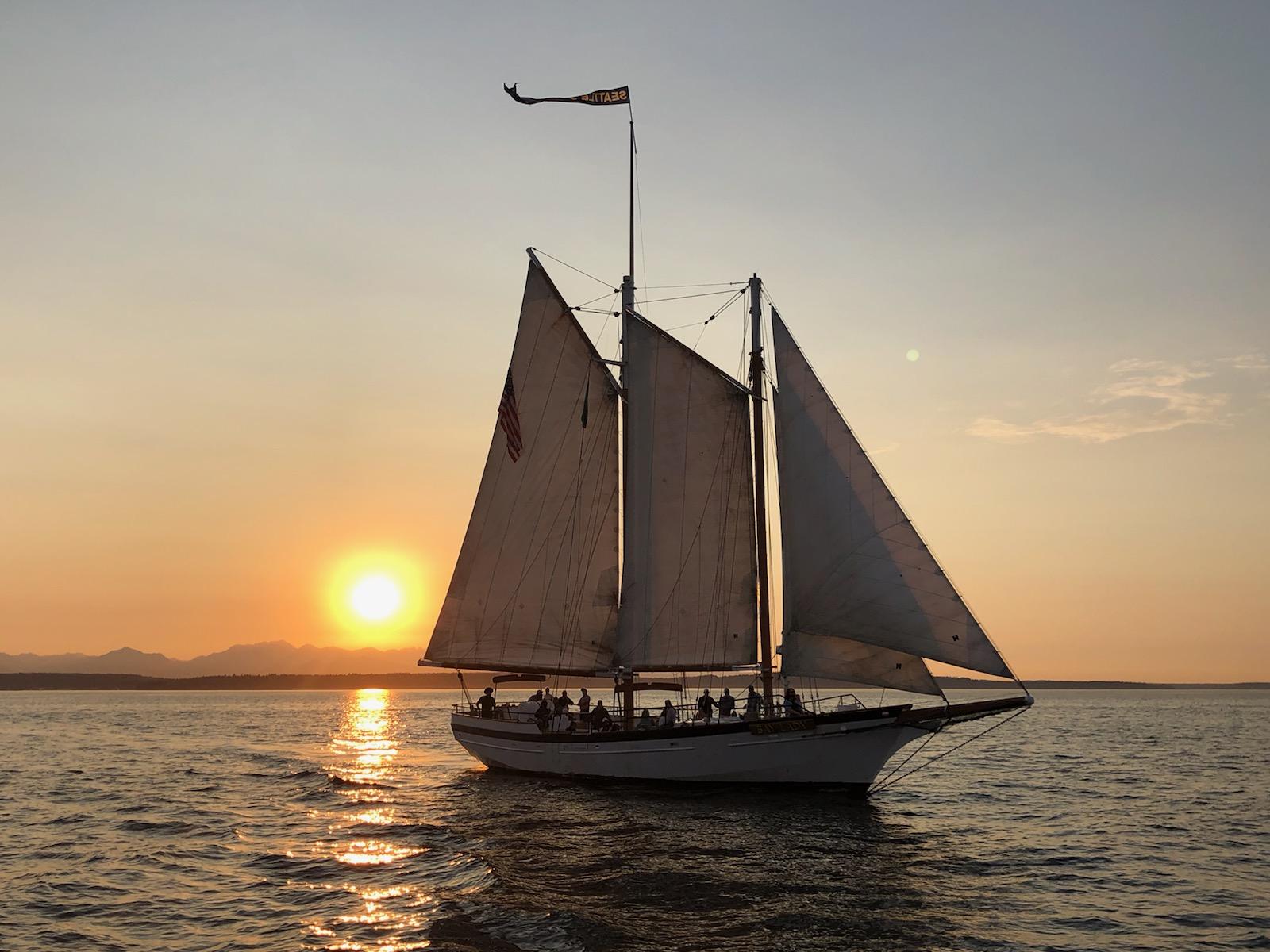
Glide through Puget Sound aboard a classic tall ship as twilight paints the Olympic Mountains gold
4 hours
Free Cancellation
High-speed boat journey through the San Juan Islands seeking Bigg's killer whales in their ocean habitat
1.5 hours
Free Cancellation
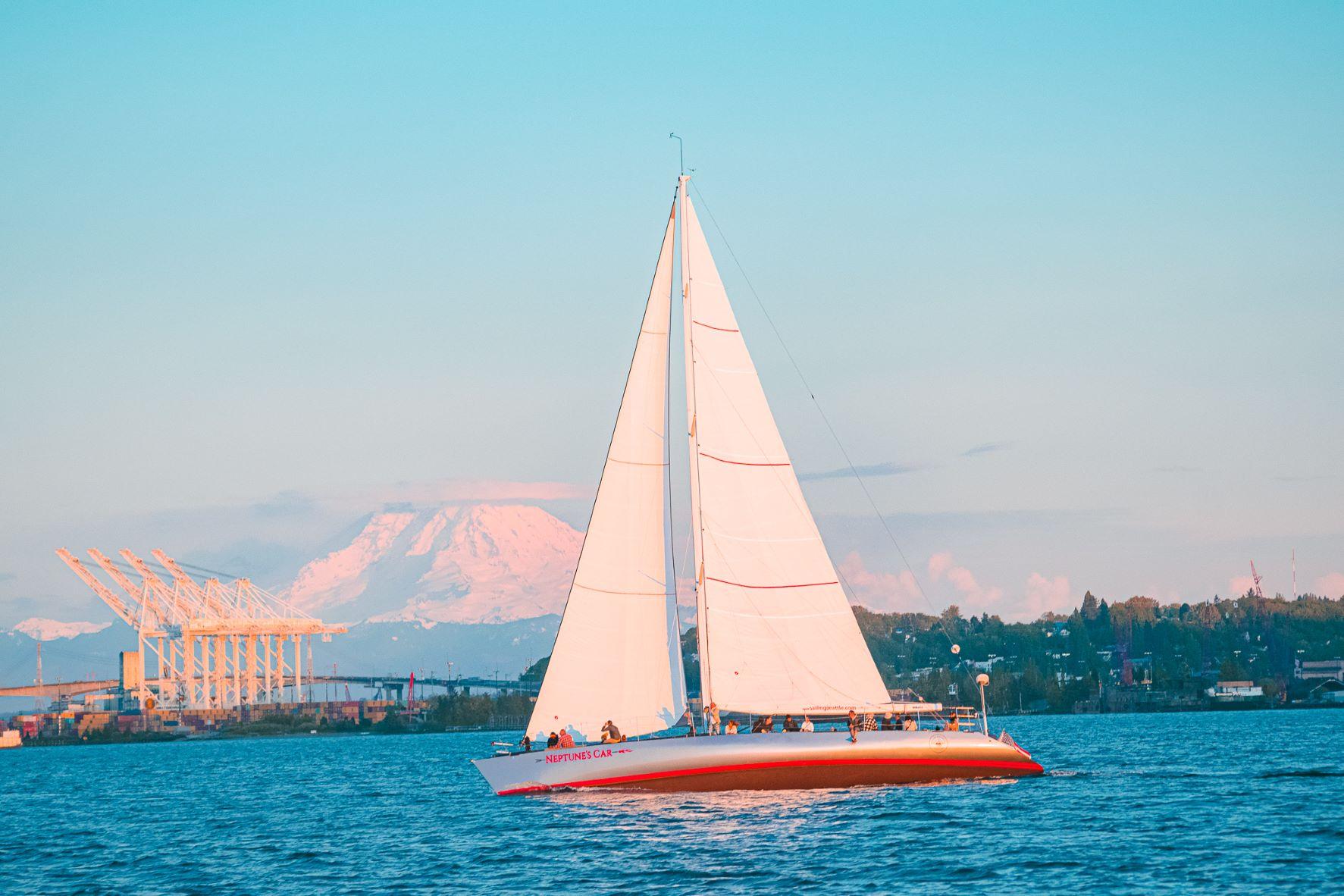
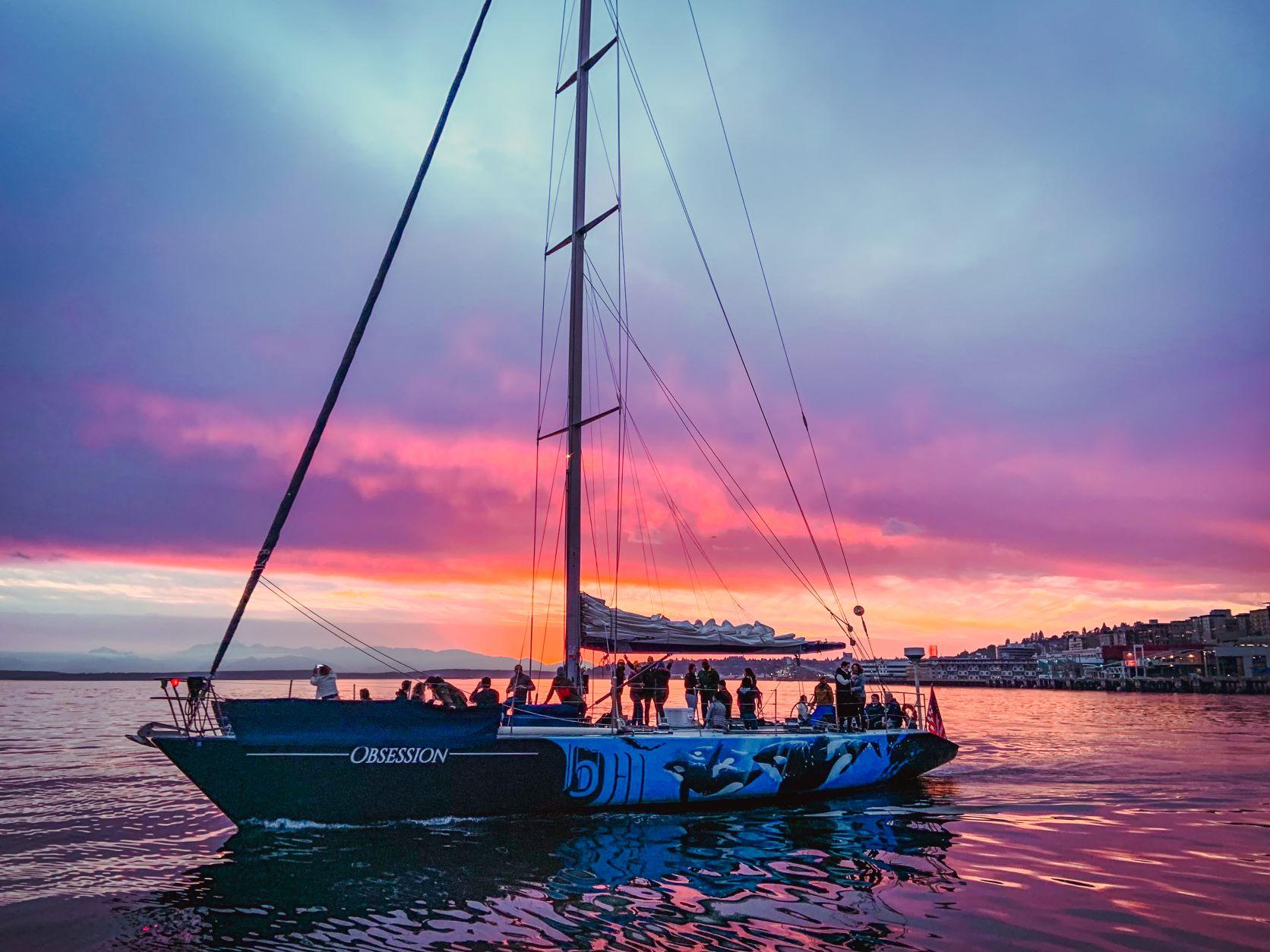
Glide across Elliott Bay aboard a classic racing yacht with skyline views and Olympic Mountain vistas
2 hours
Free Cancellation
Glide across Elliott Bay aboard a 70-foot racing yacht as the sun dips behind the Olympics
1.5 - 2 hours
Free Cancellation
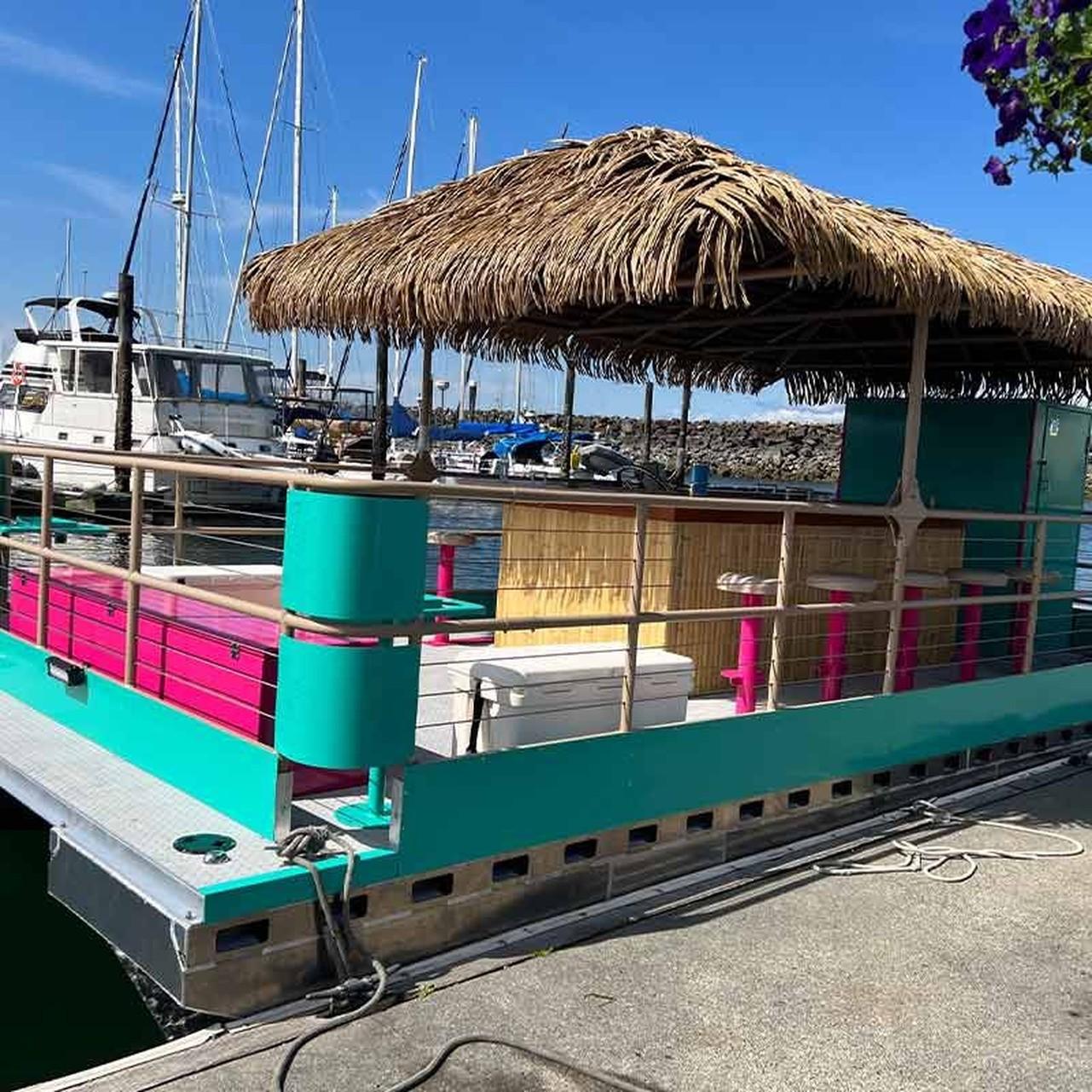
Cruise Seattle's waterways on your own floating tiki bar with captain, coolers, and room for 18 guests
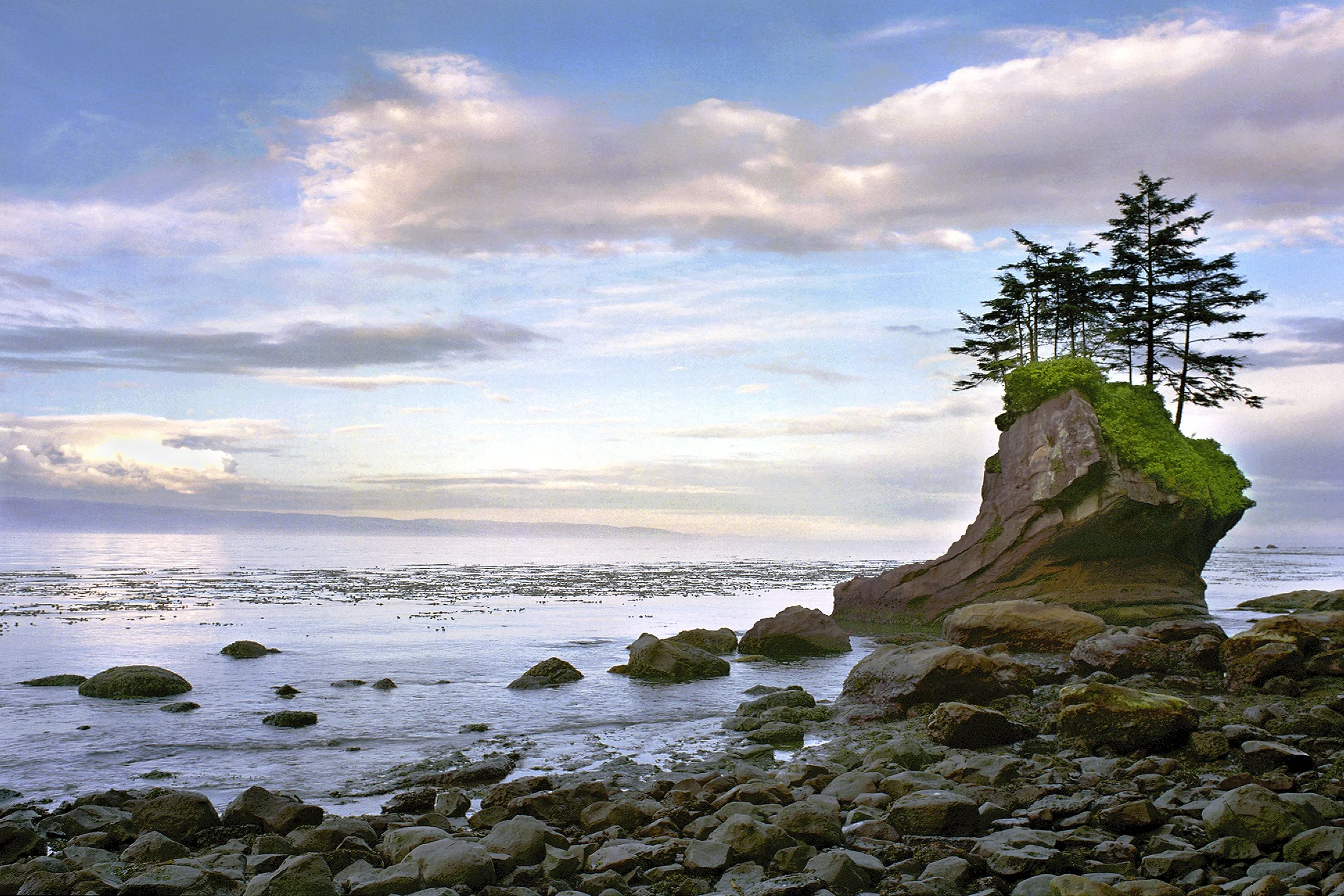
The waters are rich with biodiversity, including orcas, humpbacks, and minke whales.
This waterway acts as a vital corridor for whale migration in the region.
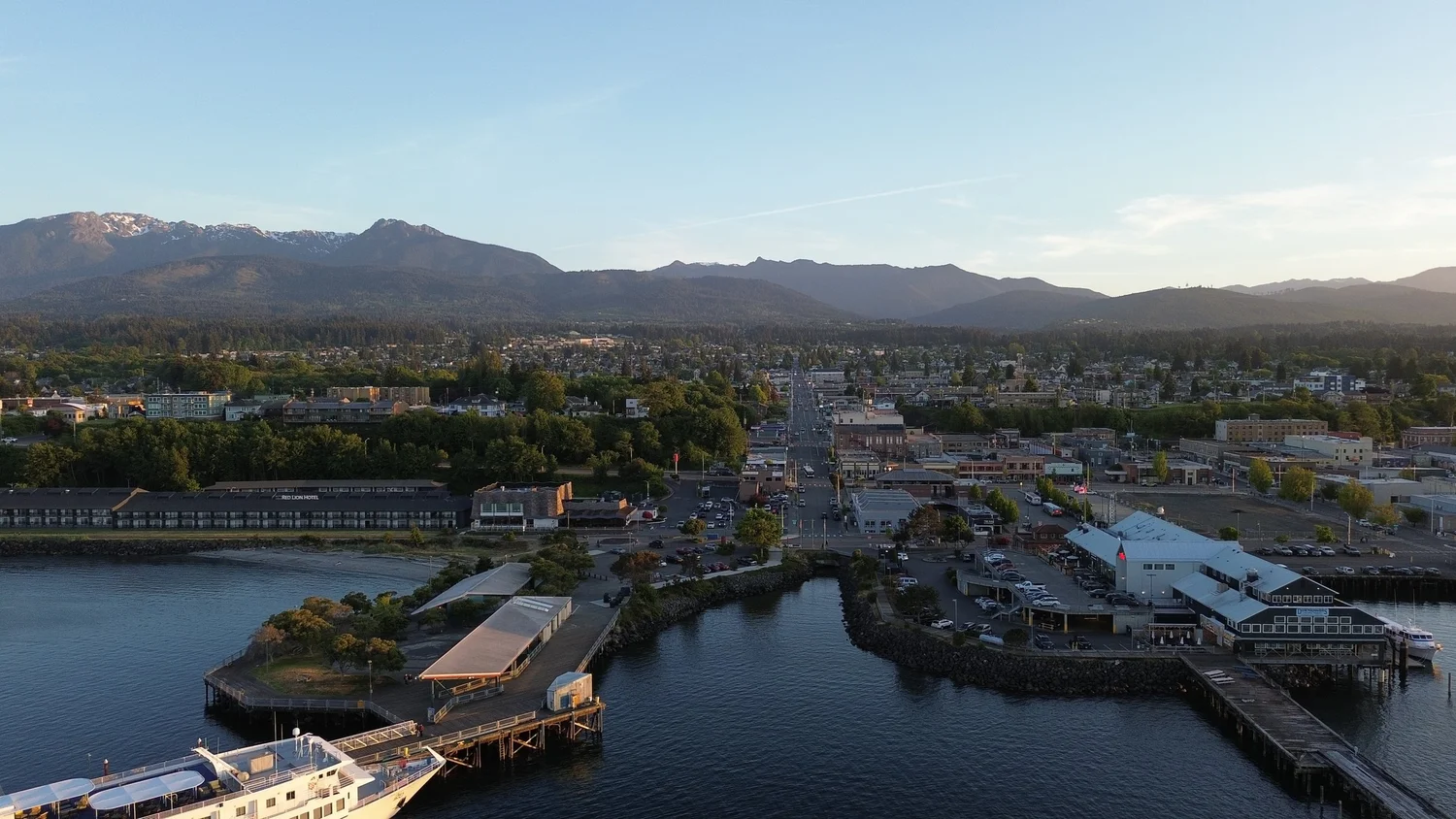
The central hub for accessing marine tours and exploring downtown.
On-board experts share facts about orca pods and marine habitats.
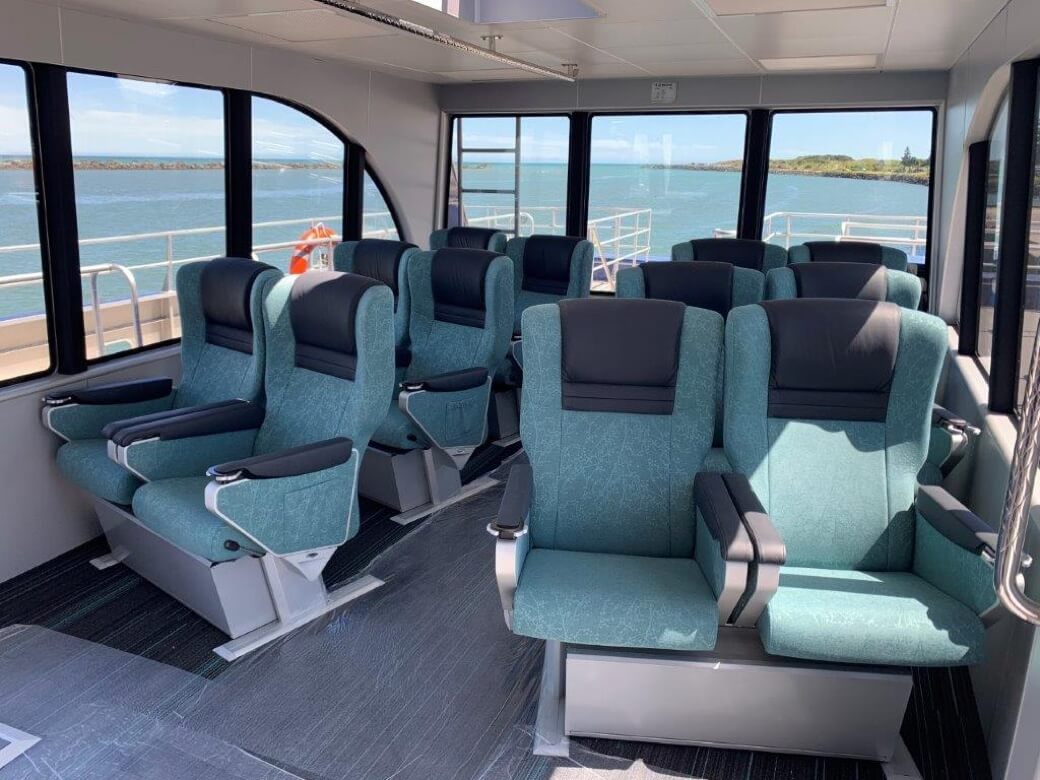
Boats include comfortable indoor seating and viewing monitors for all passengers.
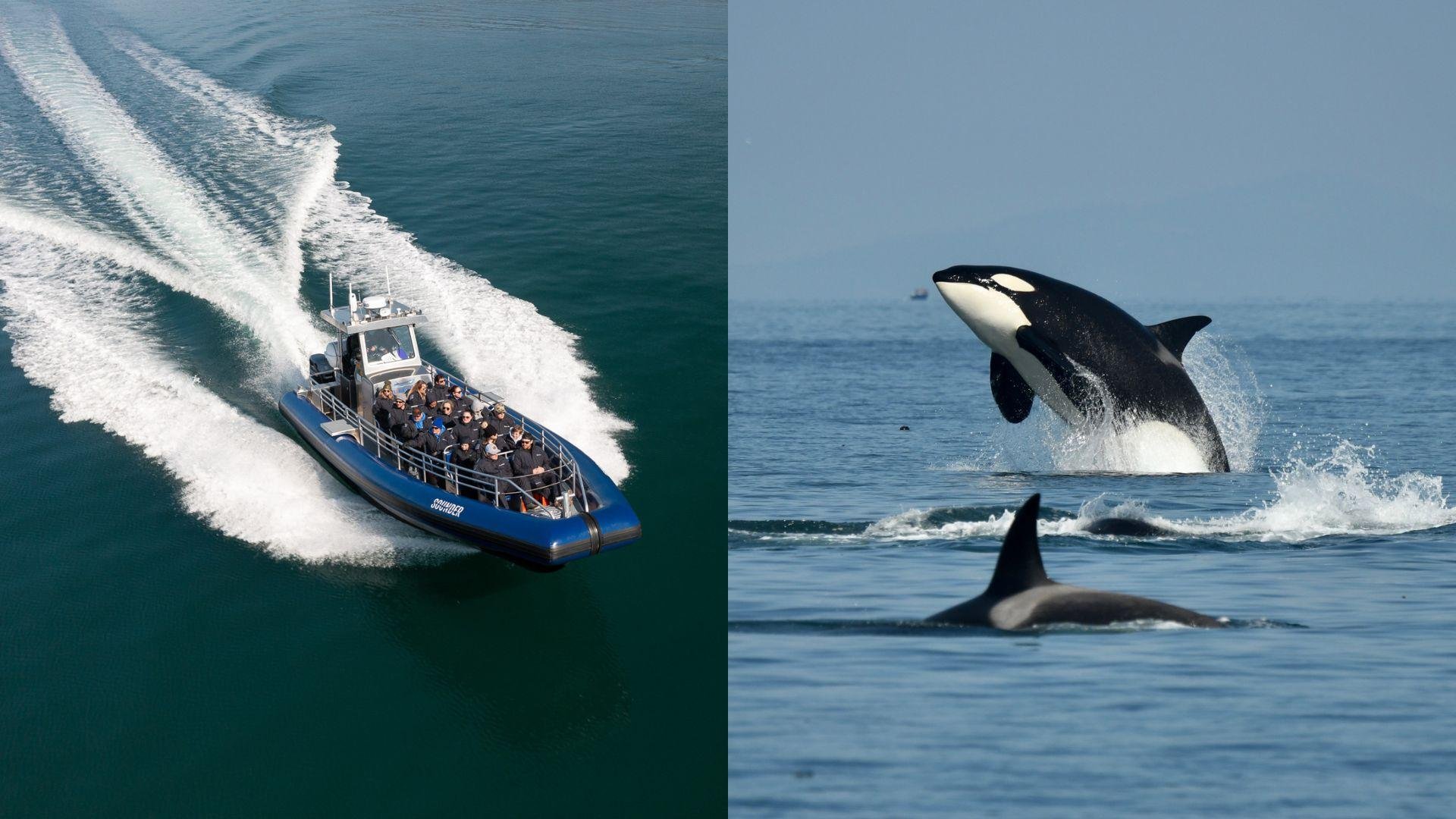
You board at Port Angeles Harbor shortly after sunrise, stepping onto a rigid-hull inflatable where the skipper briefs you on hand signals and safety protocols. The vessel clears the breakwater at 09:15, accelerating to 30 knots as the Olympic Mountains sharpen against the southern horizon.
Within 20 minutes, the captain throttles down — a radio call has triangulated J-pod four kilometers northwest.
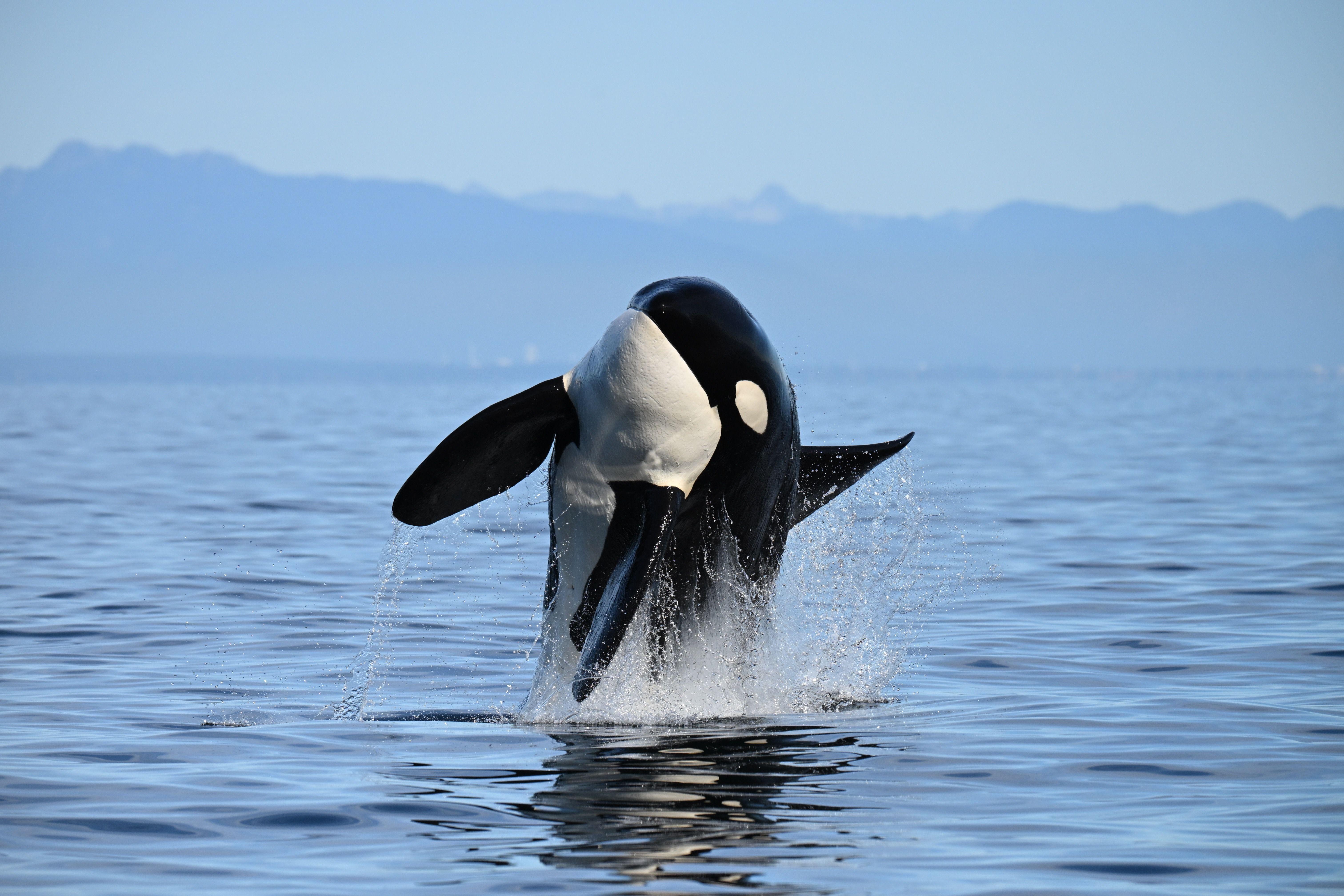
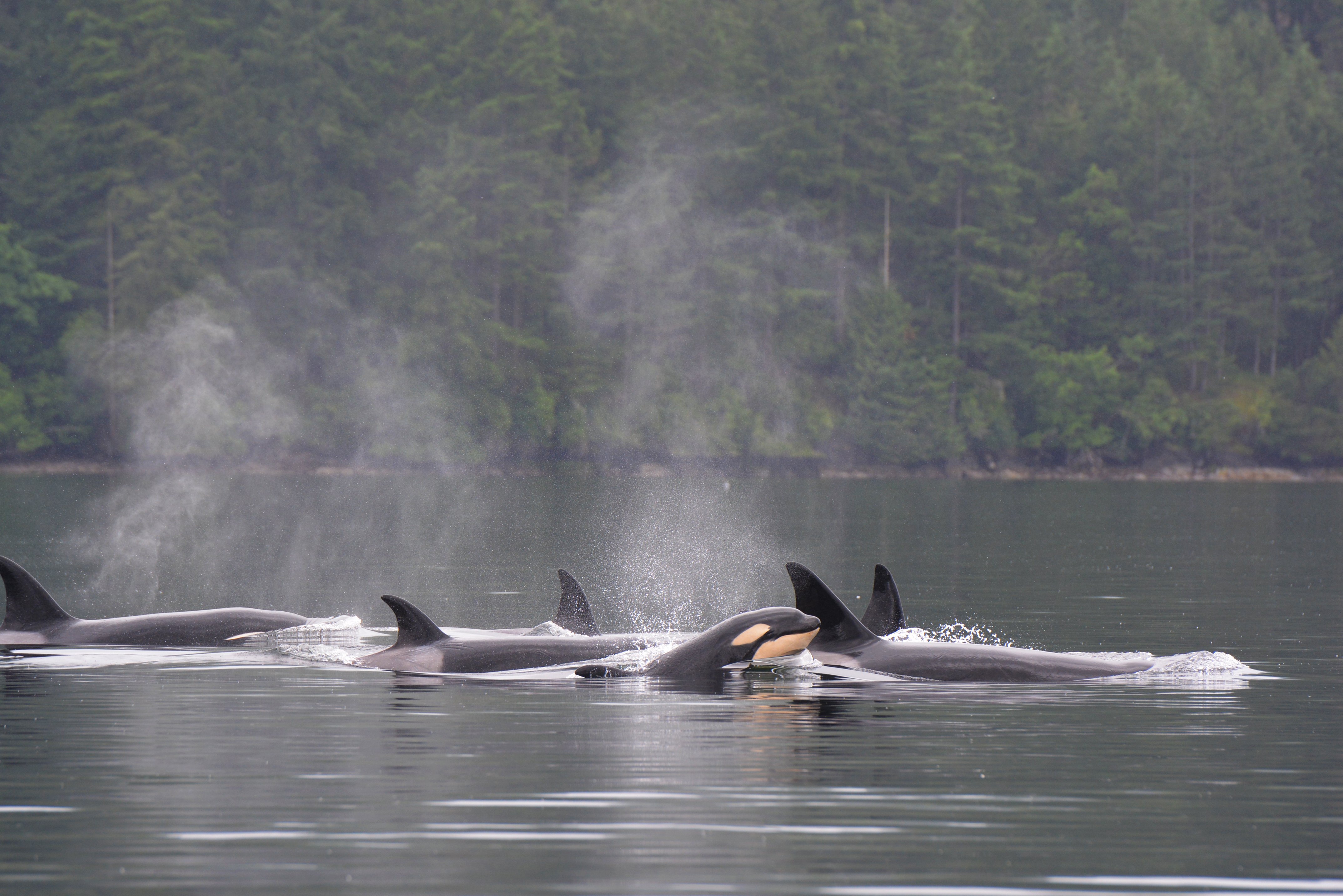
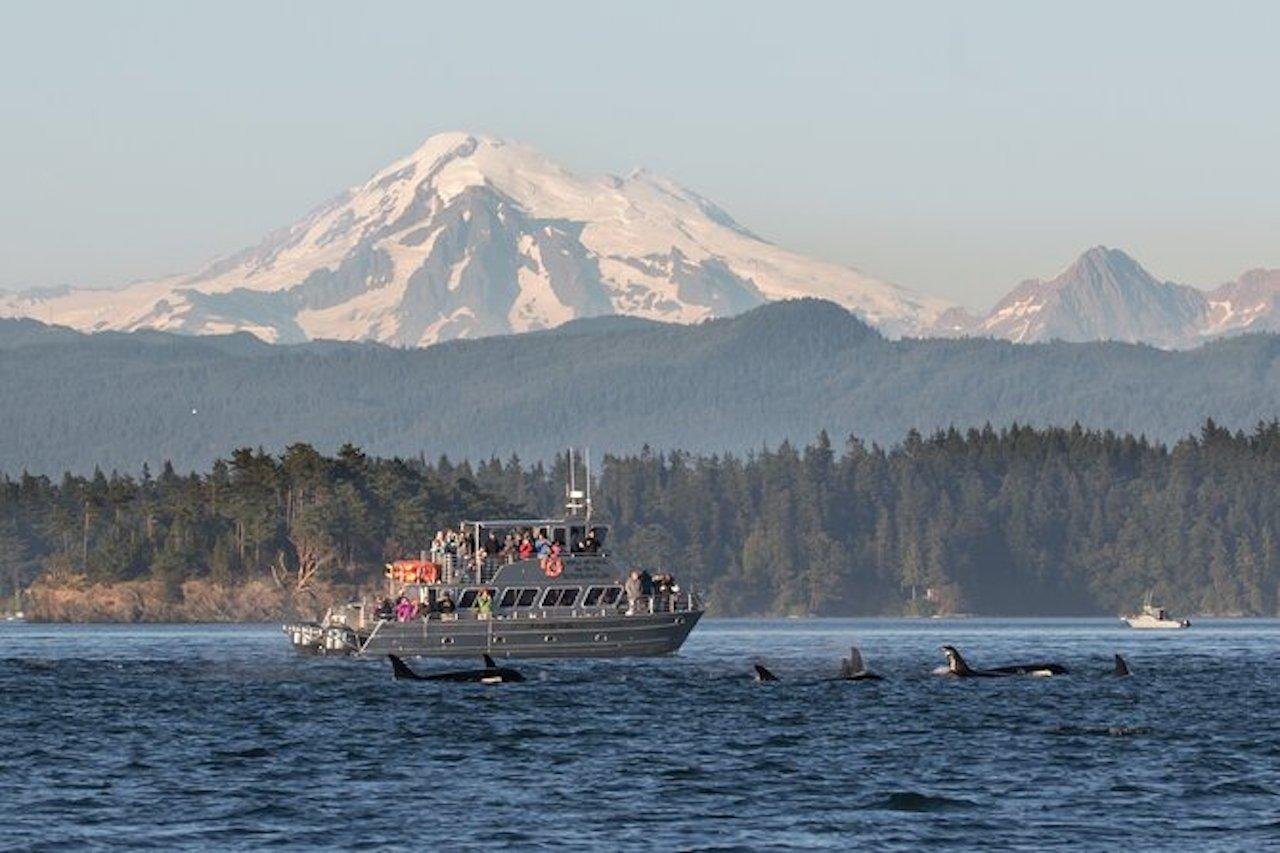
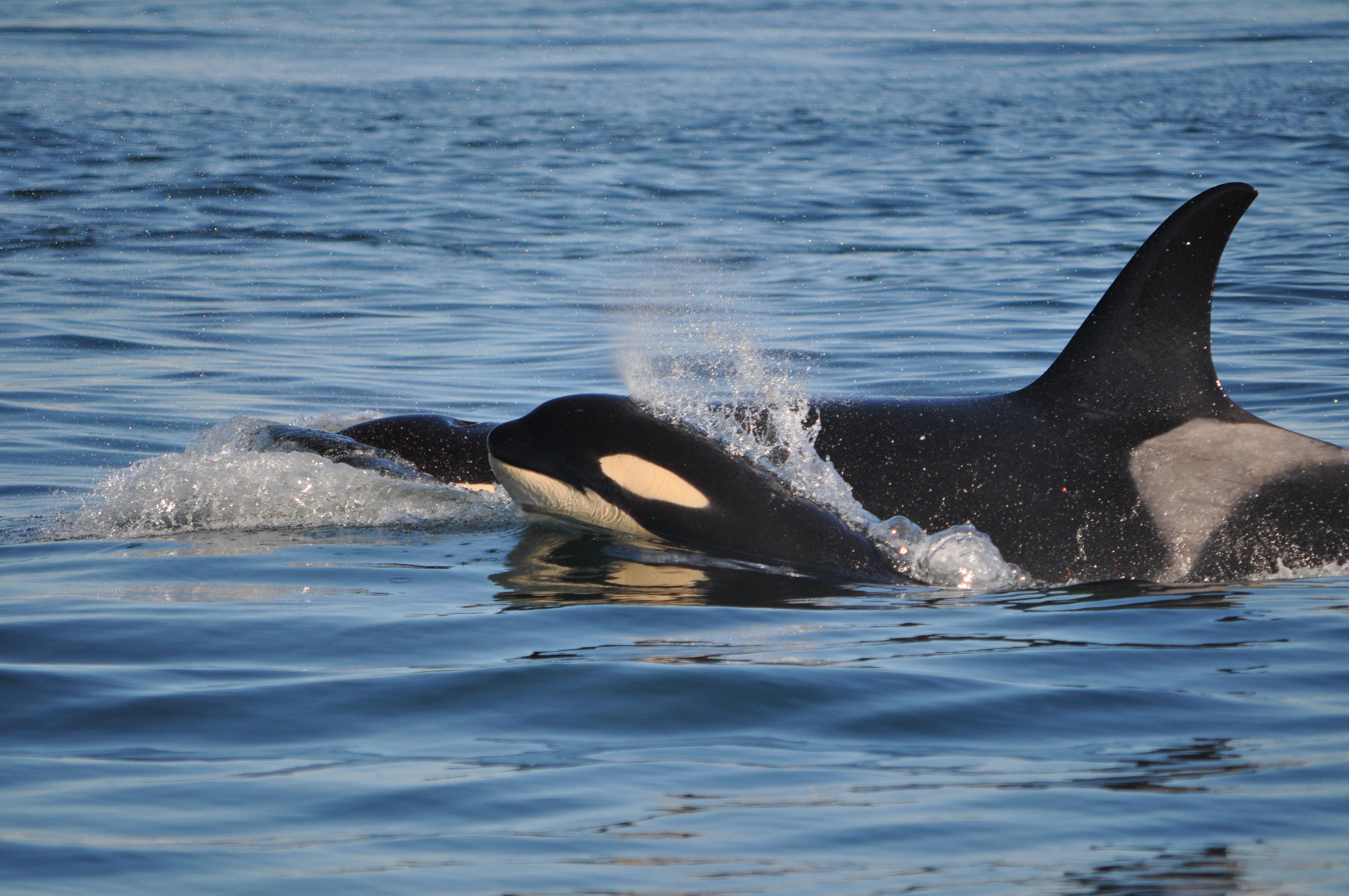
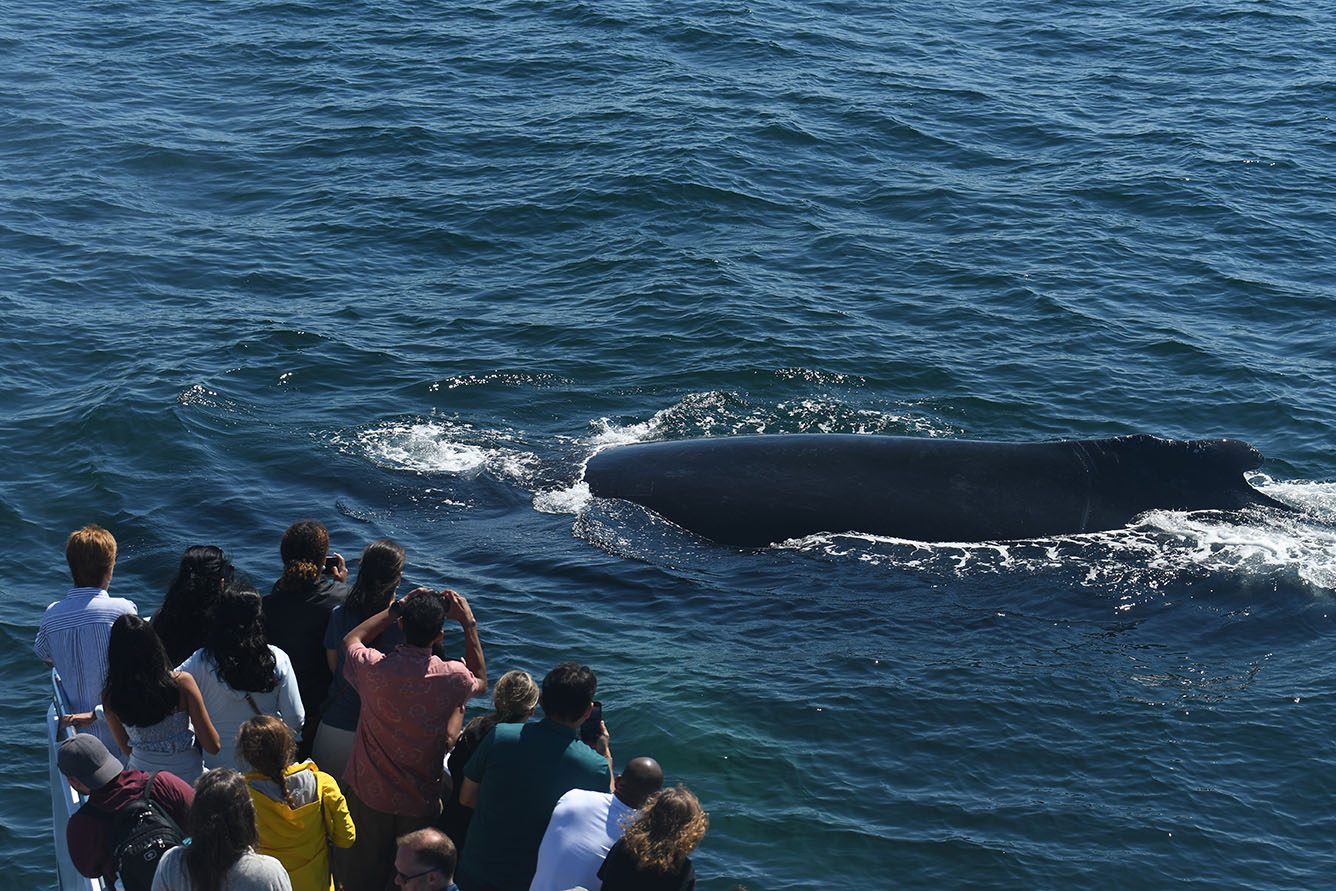
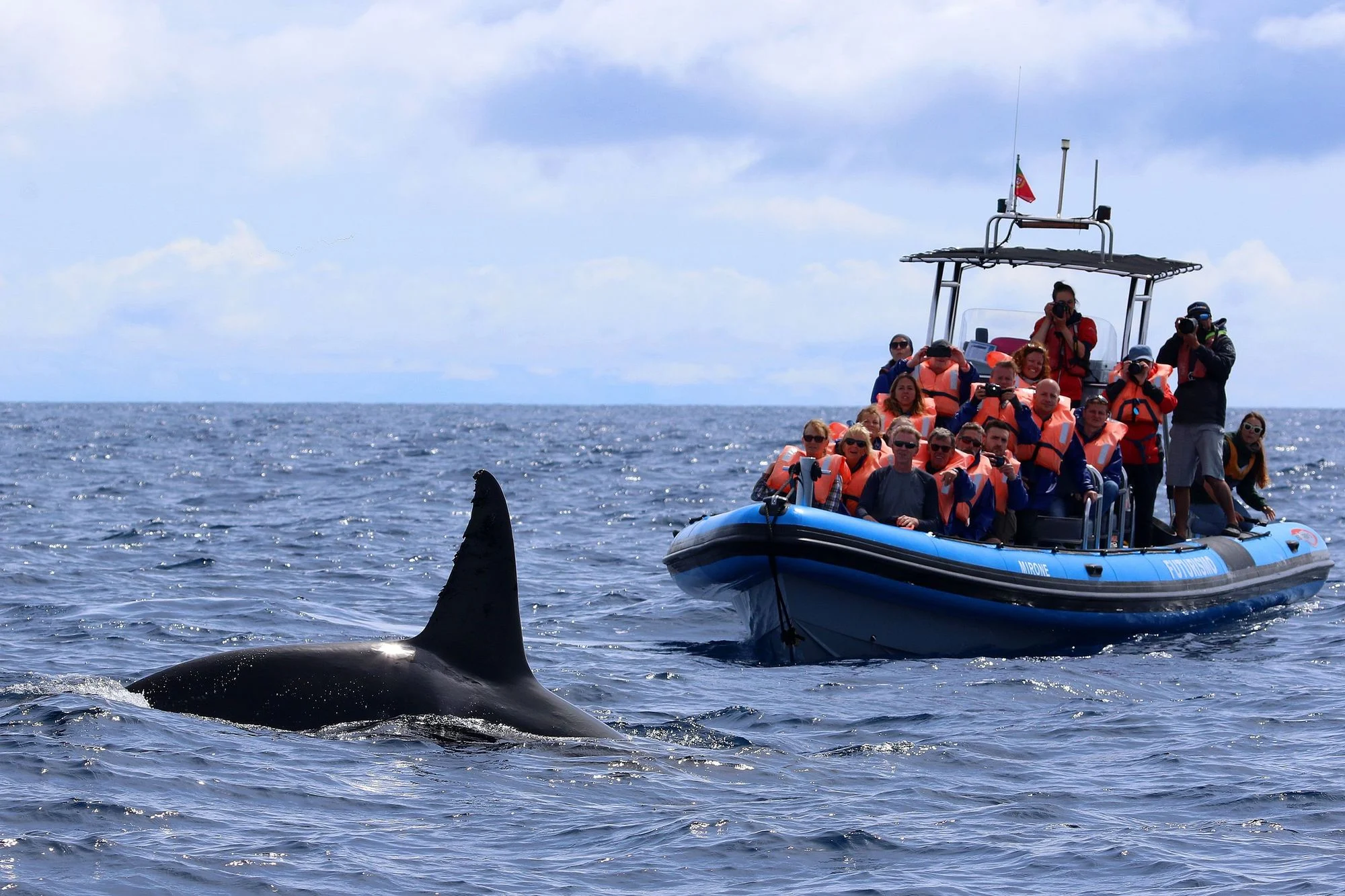
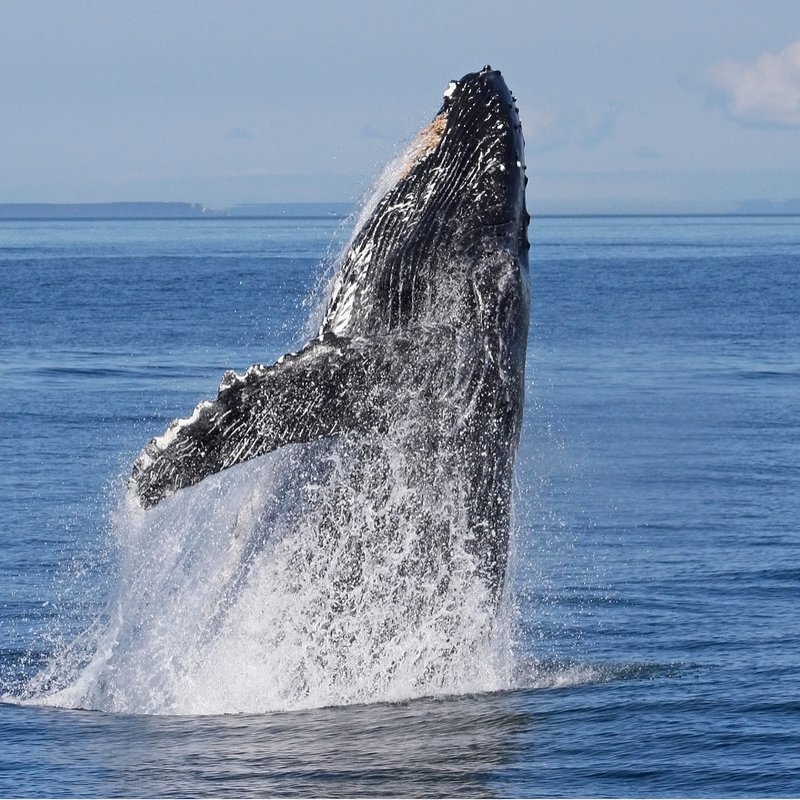
You approach slowly, engine idling, and the first dorsal fin breaks the surface 150 meters ahead. The matriarch exhales — a plume of mist catches the light — and five more orcas surface in sequence, their saddle patches distinct in the morning clarity. The naturalist identifies J-17 by the notch in her dorsal fin, a 42-year-old female leading her three offspring. You watch for 30 minutes as the pod forages, their dives timed to 4-minute intervals, the rhythm punctuated by tail slaps and breaches that send spray across the bow.
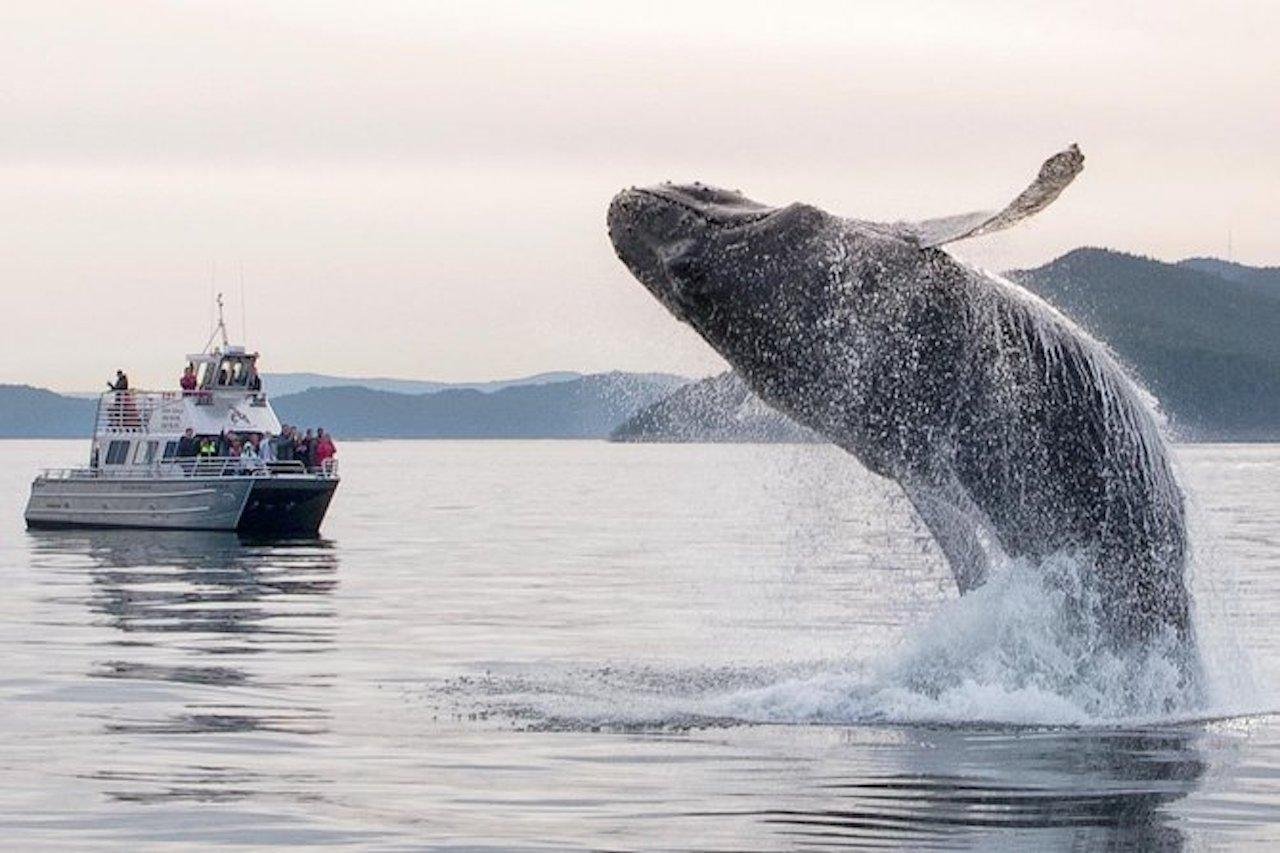
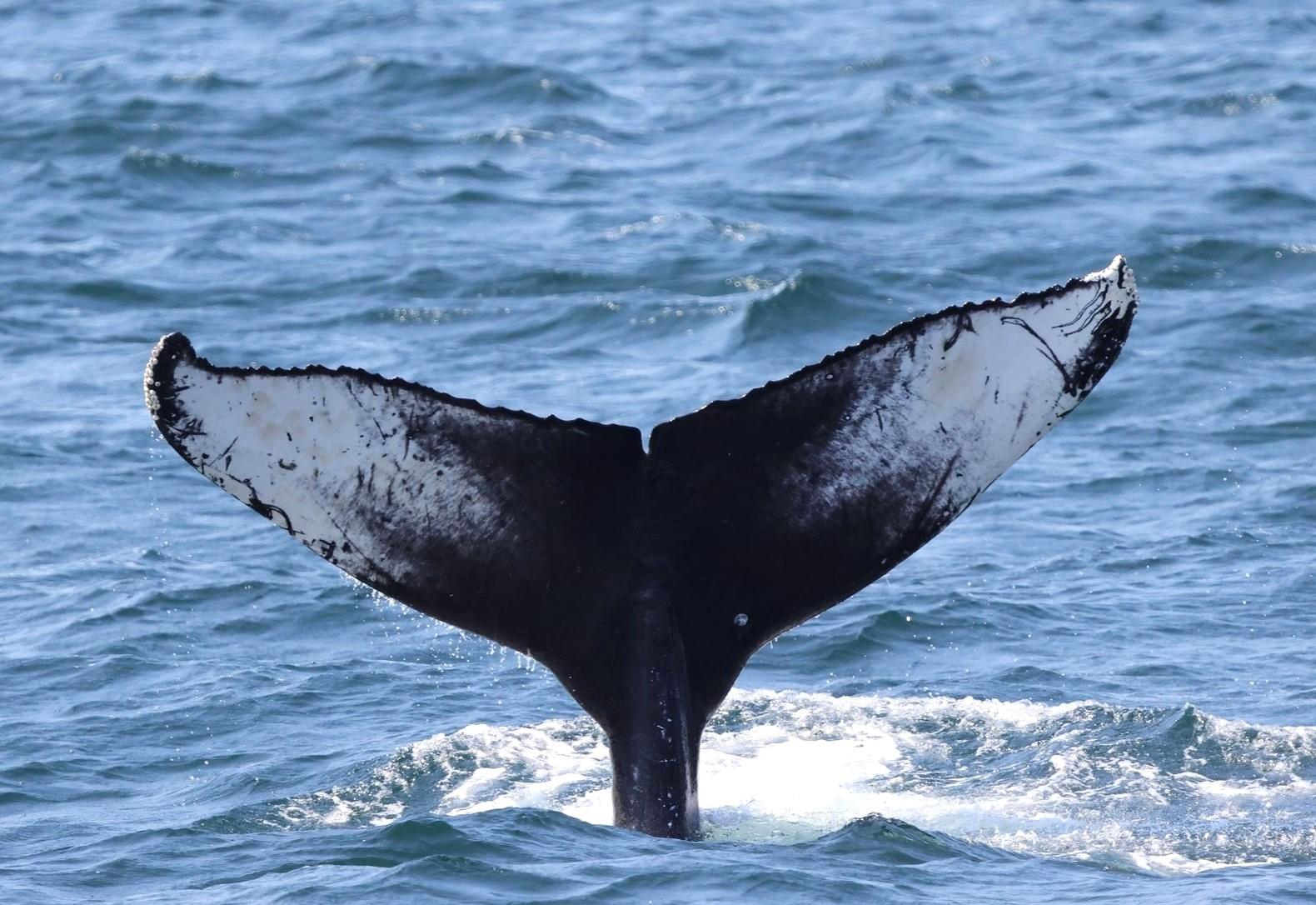
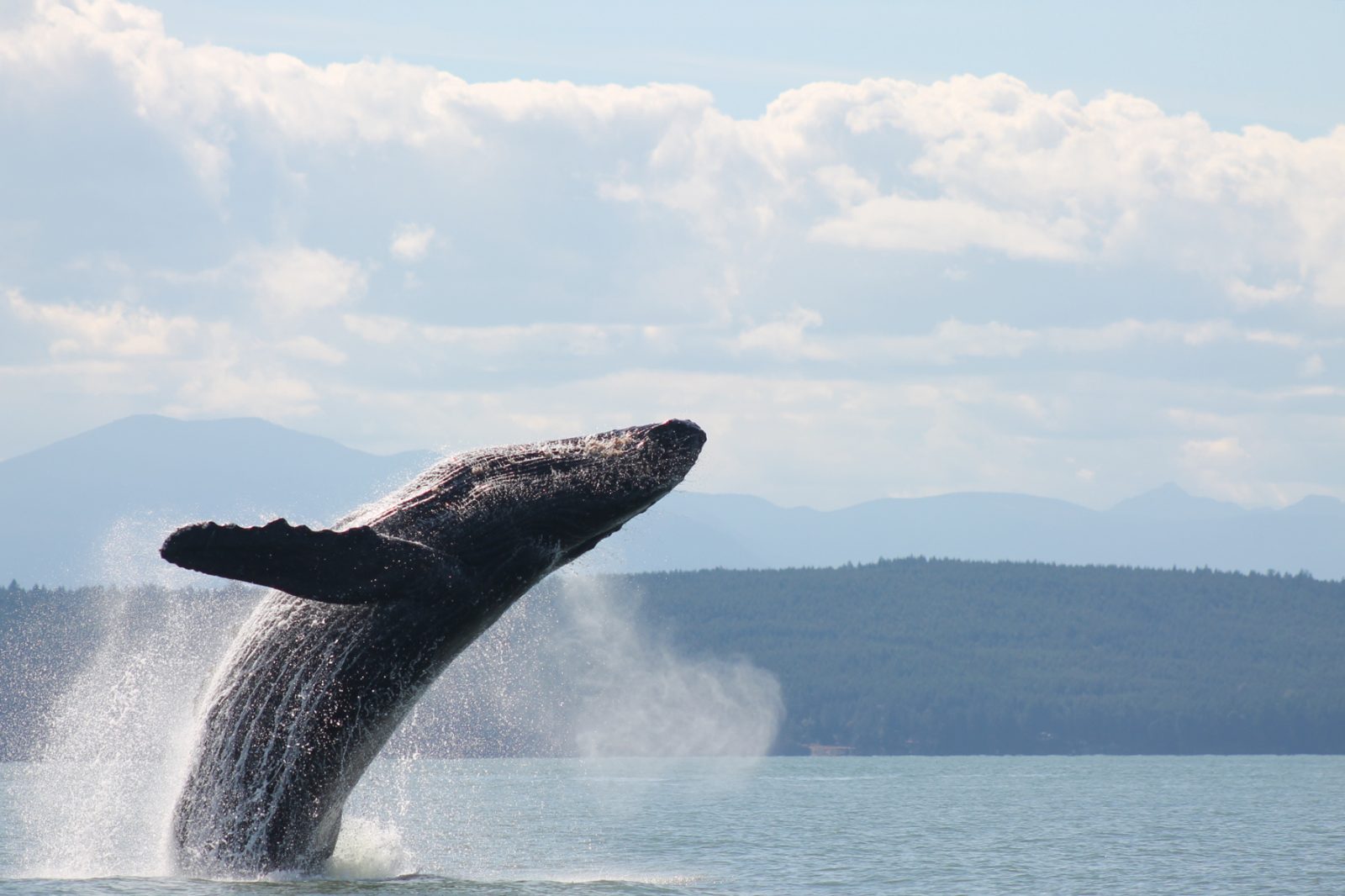
The vessel repositions northeast, following whale watching Port Angeles Washington protocols to avoid crowding the pod's path. A humpback surfaces a kilometer east, logging at the surface between dives. The naturalist explains its bubble-net feeding strategy, pointing to the circular slick where exhaled air corrals krill. You photograph the fluke as it rises vertical — each whale's tail pattern is cataloged by researchers who track individuals across decades. By noon, the inflatable turns back toward Port Angeles, the strait's current carrying the scent of kelp and cold water.
All the details about your upcoming adventure in one place
The Strait of Juan de Fuca channels Pacific currents through a 154-kilometer corridor between the Olympic Peninsula and Vancouver Island, creating one of North America's most productive marine ecosystems.
Three resident orca pods — J, K, and L — hunt chinook salmon here year-round, while gray whales migrate through twice annually and humpbacks arrive mid-spring to feed on krill blooms. Port Angeles Harbor sits at the strait's midpoint, where the continental shelf drops to 200 meters within three kilometers of shore.
Whale watching Port Angeles Washington expeditions depart from the harbor's commercial docks, where operators maintain partnerships with the Whale Museum's sighting network and the Center for Whale Research. Captains coordinate real-time position data through marine VHF channels, triangulating pod movements across a search radius extending 40 nautical miles into Canadian waters. The Salish Sea's resident orcas display distinct matriarchal structures — each pod follows a lead female whose vocal dialect has been passed through five generations. Hydrophones onboard vessels capture the clicks, whistles, and calls that distinguish J-pod from K-pod, a sonic signature marine biologists have cataloged since 1976.
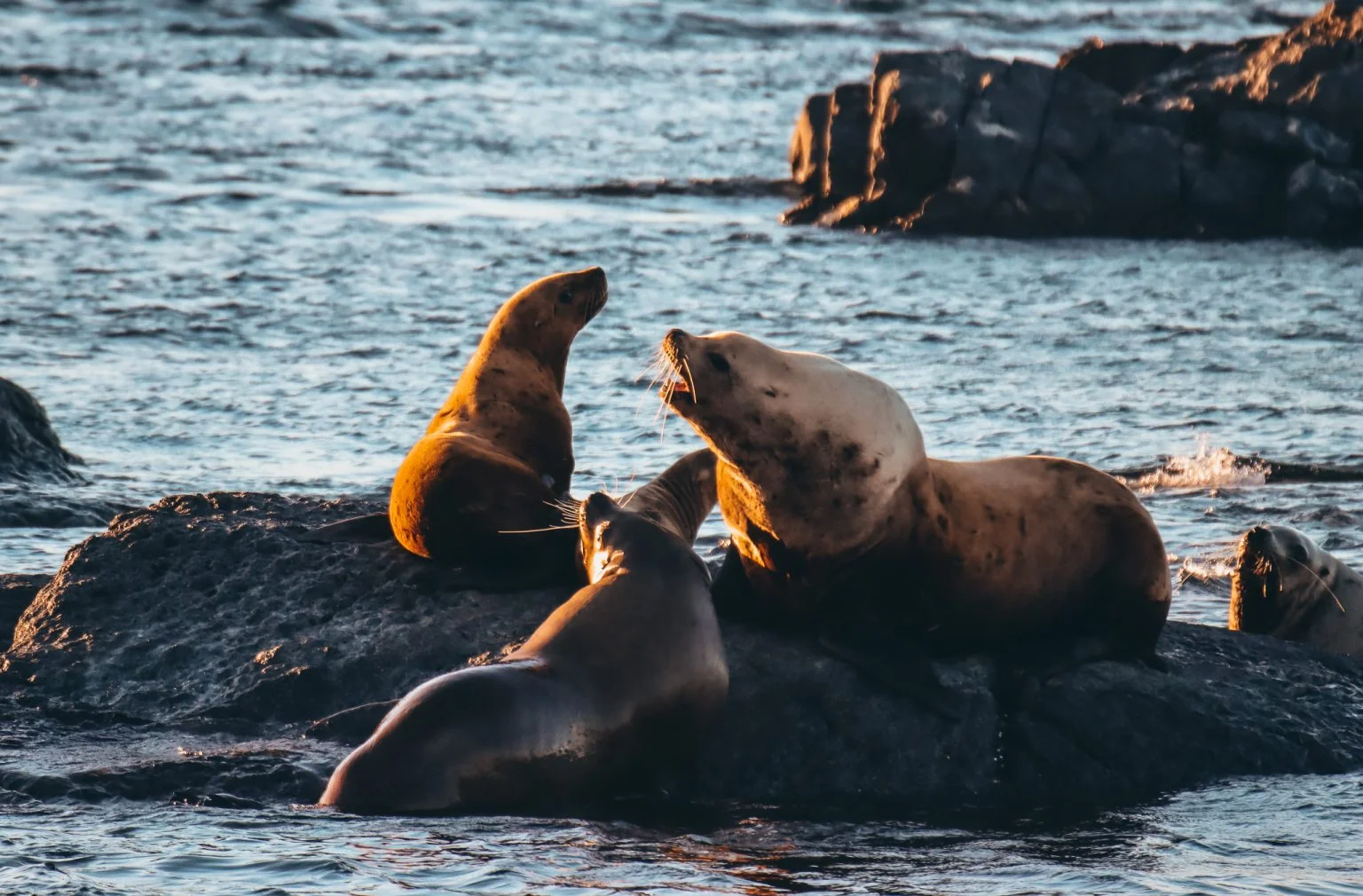
Beyond orcas, the strait supports minke whales, Dall's porpoises, harbor seals, and Steller sea lions. Bald eagles nest along Protection Island, a 95-hectare wildlife refuge visible three kilometers offshore. The Olympic Mountains rise 2,400 meters directly south, their glaciers feeding the Elwha River, whose recent dam removal restored spawning grounds that now draw salmon — and the cetaceans that track them.
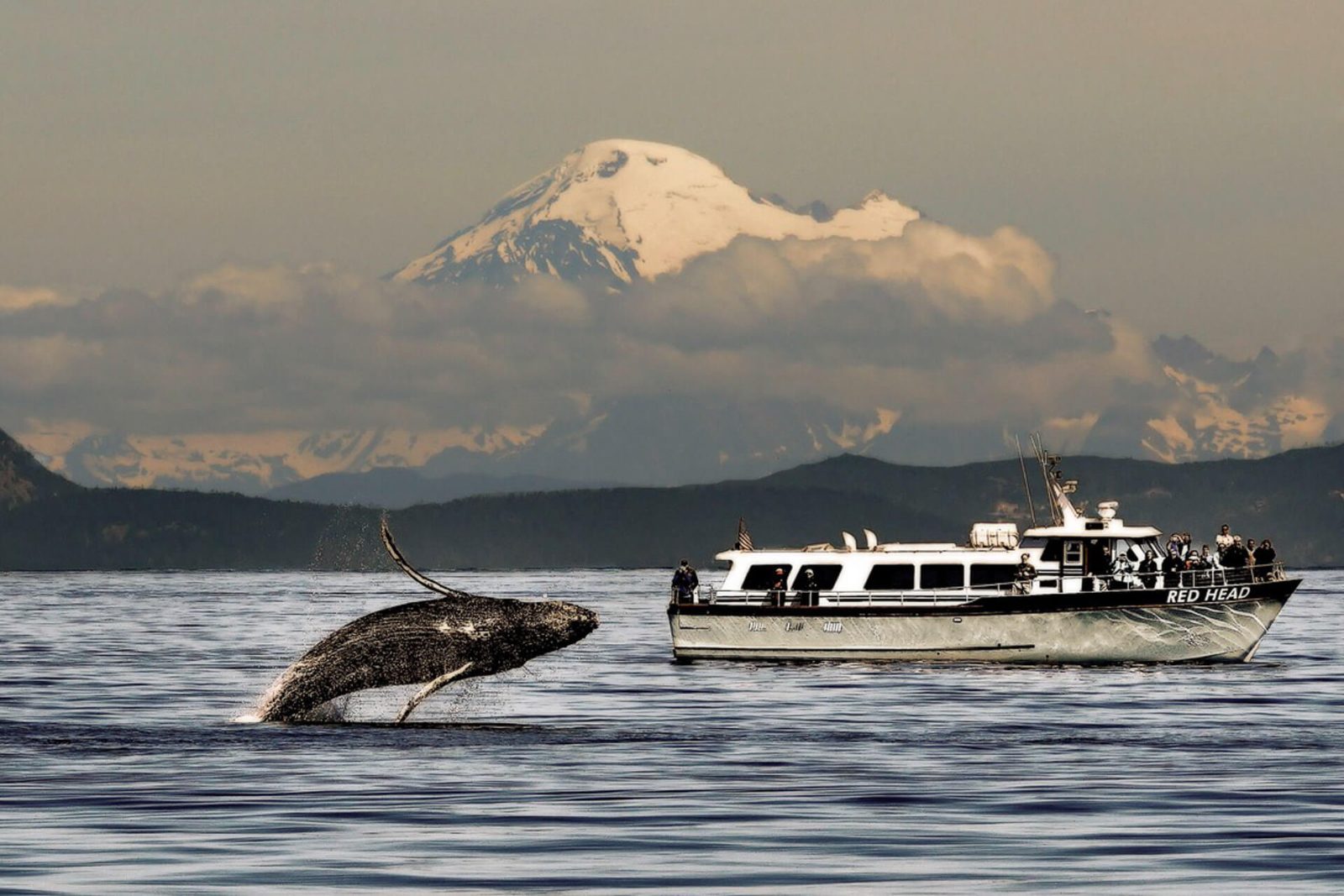
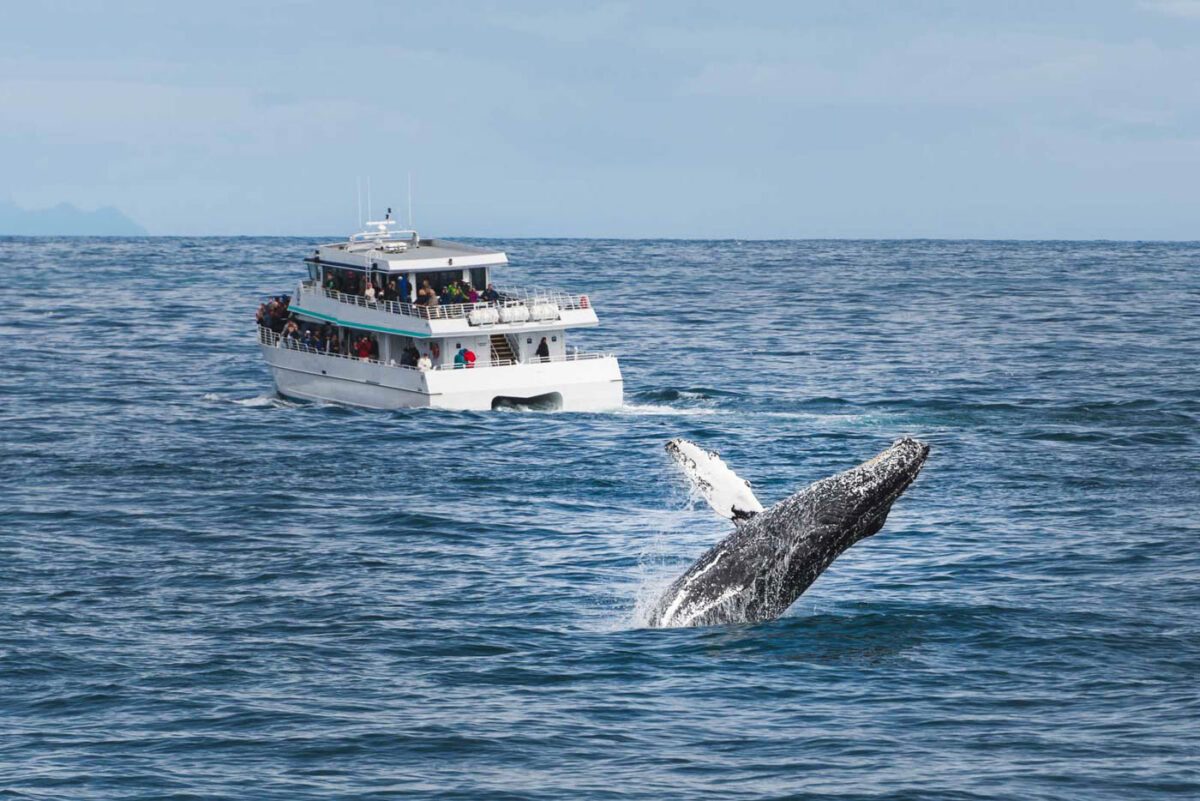
Port Angeles whale watching tour vessels range from rigid-hull inflatables carrying 12 passengers to 45-meter catamarans with heated cabins and bow observation decks. All operators adhere to federal Marine Mammal Protection Act guidelines: vessels must remain 200 meters from orcas, 100 meters from other cetaceans, and never position themselves in a pod's travel path. Naturalists onboard hold degrees in marine biology or oceanography and provide species identification, behavioral interpretation, and real-time updates to regional tracking databases. Sighting success rates hover near 90 percent May through October, when chinook runs peak and resident pods concentrate along the strait's south shore.

Three resident orca pods hunt chinook salmon here year-round, while gray whales migrate through twice annually and humpbacks arrive mid-spring to feed on krill blooms.
Dress in warm layers, as temperatures are lower on the water. A windproof and waterproof jacket is recommended, along with flat, rubber-soled shoes for traction.
Secure your personal belongings in a waterproof bag to protect them from ocean spray. Avoid bringing excess luggage on whale watching port angeles washington tours.
Bring a camera with a zoom or telephoto lens to capture wildlife. A stable, waterproof case is highly recommended for equipment safety on whale watching port angeles washington tickets.
Families are welcome on all whale watching port angeles washington tour departures. Please note that every passenger, regardless of age, must have their own ticket.
The whale watching port angeles washington boat is not wheelchair accessible due to Coast Guard requirements. Guests with limited mobility should contact the operator to discuss assistance options before booking.
Snacks and beverages are available for purchase on board. No outside alcohol is permitted during your whale watching port angeles washington experience.
Best arrival window
09:00–14:00
Address
Port Angeles Harbor, Port Angeles, WA 98362
Accessibility note
Vessel not wheelchair accessible; limited mobility support available
Peak season
May through October
Baggage
Keep items in a waterproof bag
Proximity
Convenient for Olympic National Park visitors
Car · N/A · N/A
Drive to Port Angeles Harbor; public parking is available in downtown areas.
Reservations are fully refundable if cancelled more than 48 hours before departure, minus a $10 processing fee. Cancellations made within 48 hours of the tour are non-refundable.
Recommended time
4-6 hours
Planning your visit requires accounting for boat boarding and the sea excursion itself, which is why whale watching port angeles washington tours typically span a half-day. Guests should arrive within the best arrival window of 09:00–14:00 to ensure smooth check-in procedures for their whale watching port angeles washington tour. High demand for whale watching port angeles washington tickets often results in busier harbor docks mid-morning, so allow extra time for parking near Port Angeles Harbor, Port Angeles, WA 98362.
Crowd levels through the day
Weather · crowds · average price — dots go green to amber to red as each metric rises.
Migrating gray whales begin passing through the region. Weather is variable; bring rain protection.
Peak whale activity for orcas and humpbacks. Best time for whale watching port angeles washington.
Lunge feeding behaviors observed. Cooler temperatures require extra warm layers.
Reservations fill quickly during the peak summer months.
Monitor wind and wave reports to prepare for your trip.
Take preventatives before boarding if prone to seasickness.
Water temperatures remain cold even on sunny days.
Keep distance as directed by the on-board naturalist.
The waters surrounding Port Angeles have supported Coast Salish peoples for millennia, but organized whale watching port angeles washington tours emerged only in the late twentieth century. Through the 1960s and 1970s, orca pods in the Salish Sea faced capture operations that removed dozens of whales for marine parks. The 1976 capture attempt near Budd Inlet triggered public outcry and catalyzed federal protections under the Marine Mammal Protection Act. By the early 1980s, nonprofit research groups began offering educational boat trips to study rather than exploit the resident orca populations. Commercial whale watching port angeles washington operations took root in the mid-1980s as the region's timber economy contracted. Port Angeles, with its deep-water harbor and proximity to the San Juan Channel feeding grounds, became a natural departure point. The first licensed operators ran converted fishing vessels, often with volunteer naturalists aboard. In 1990, the National Marine Fisheries Service formalized approach distances—initially 100 yards—to protect the Southern Resident orcas, whose population had declined to fewer than 80 individuals. The industry expanded through the 2000s, drawing visitors seeking gray whales during spring migration and transient orcas year-round. Operators adopted stricter voluntary guidelines in 2011, increasing minimum distances to 200 yards and limiting engine noise near pods. By 2018, Washington State enacted emergency rules prohibiting vessels from approaching Southern Residents within half a nautical mile, the most restrictive regulation in North America. Today, whale watching port angeles washington tickets fund research partnerships and habitat restoration, transforming an extractive relationship into a conservation model anchored in the Strait of Juan de Fuca's ecological rhythms.
Coast Salish communities observe orca and gray whale migrations as part of seasonal subsistence cycles.
Capture operations remove over 45 orcas from Puget Sound for display in marine parks, reducing resident populations.
Public protest over Budd Inlet captures leads to stricter federal enforcement of the Marine Mammal Protection Act.
First commercial whale watching tours depart Port Angeles aboard retrofitted fishing boats with naturalist guides.
National Marine Fisheries Service establishes 100-yard vessel approach limits for orcas in Washington waters.
Industry coalition adopts voluntary 200-yard buffer and slow-speed zones near feeding orca pods.
Washington enacts emergency rules prohibiting vessels within half a nautical mile of endangered Southern Resident orcas.
Operators integrate hydrophone systems and real-time sighting networks to minimize disturbance while maintaining educational access.
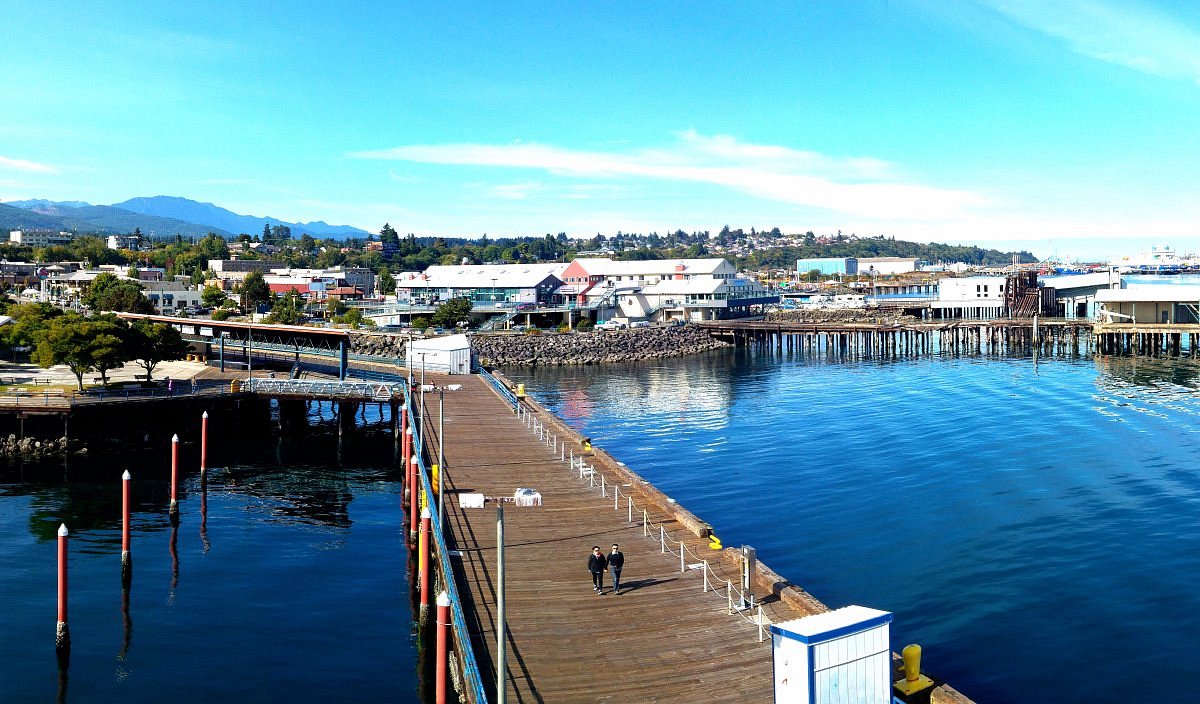
Position yourself at the end of the pier for clear views of the harbor entrance and Olympic Mountain backdrop. This is a primary staging area for whale watching port angeles washington tours where vessels depart the dock.
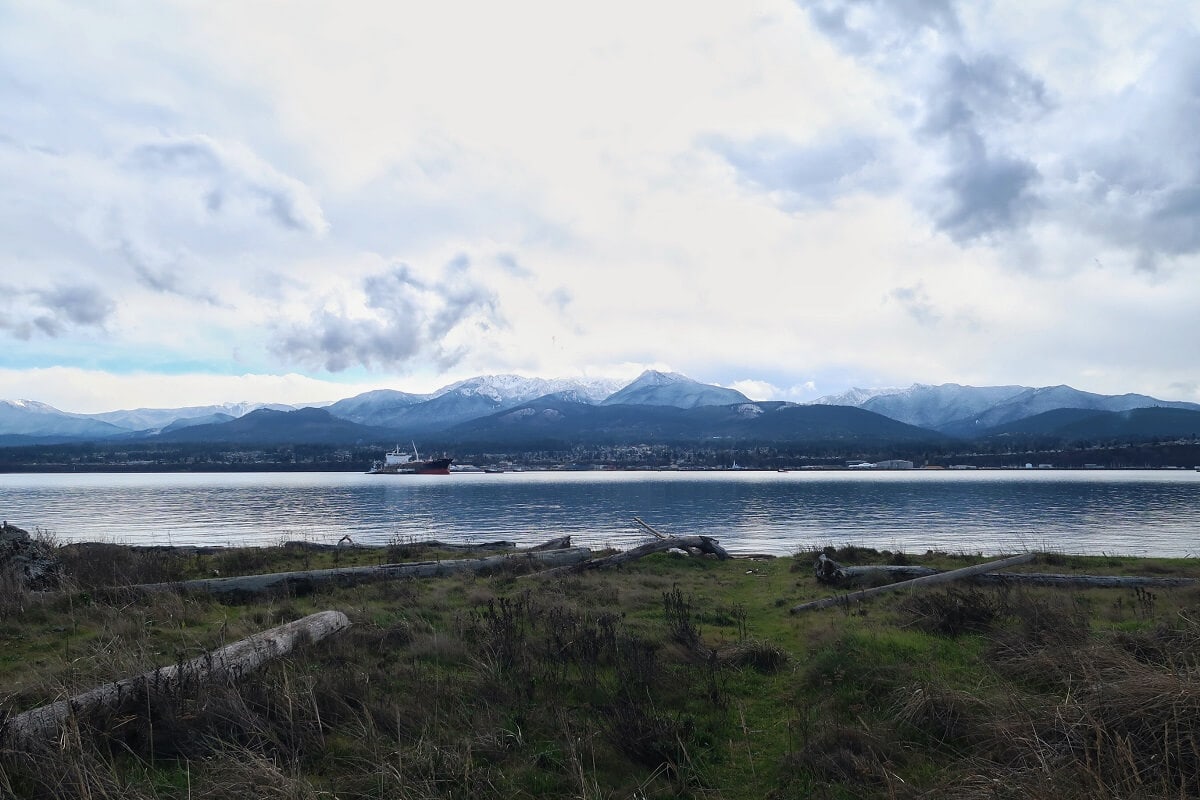
Drive to the tip of this sand spit to capture the panoramic expanse of the Salish Sea and distant marine traffic. It offers a low-angle perspective for those seeking a whale watching port angeles washington tour from a land-based vantage point.
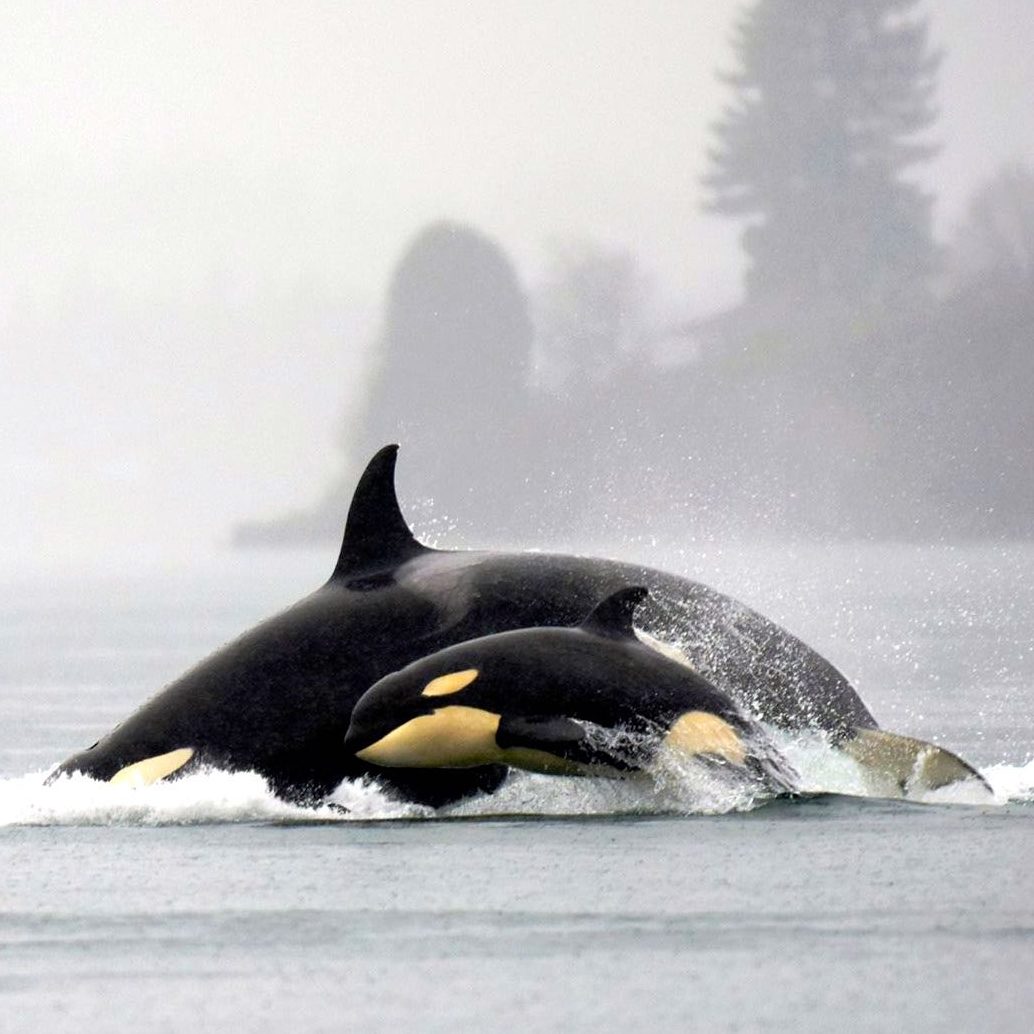
Board your vessel to capture open-water shots of marine mammals and pods against the rugged coastline. Securing whale watching port angeles washington tickets allows for direct access to these offshore photographic opportunities.
Walk along the promenade to photograph the local fleet and maritime infrastructure before your scheduled departure. This location provides a consistent framing of the harbor environment for whale watching port angeles washington.
Planning a marine wildlife excursion requires careful preparation to ensure a comfortable experience for younger passengers. When you choose whale watching port angeles washington, you are entering the vibrant ecosystem of the Salish Sea where conditions can change rapidly.
Most vessels have limited deck space and high thresholds, so leave your stroller in the car and opt for a wearable baby carrier. This allows for better mobility and safety on moving decks
These expeditions are generally recommended for children five years and older who can sit still for longer durations. Verify specific child weight requirements for life jackets directly with your selected whale watching port angeles washington tours provider
Preventive measures are essential as ocean swells often affect children more than adults. Consult your pediatrician about over-the-counter remedies and administer them well before boarding your whale watching port angeles washington tour
Onboard amenities vary by vessel size, so confirm access to private restrooms and indoor heating prior to booking your whale watching port angeles washington tickets. Having a dedicated space to warm up during transit helps maintain morale in cooler autumn weather
Dress children in multiple moisture-wicking layers and windproof jackets to manage exposure to salt spray and marine air. Bringing binoculars helps keep young explorers engaged while searching for fins or tail flukes during the journey.
Visitors planning a trip near whale watching port angeles washington will find several convenient dining options within a short walk of the harbor. While the marina itself focuses on marine wildlife excursions, downtown streets offer diverse eateries perfect for a meal before your whale watching port angeles washington tours.
This local favorite offers elevated pub fare and craft brews, making it an ideal spot to grab a bite after securing your whale watching port angeles washington tickets. The atmosphere is casual, and the menu features hearty burgers and salads.;Kokopelli Grill
Everything you need to know for your journey
Adult tickets are $145, and children (2-10) are $115, plus taxes and fees. Infants are free.
You can book your whale watching port angeles washington tickets via the official site at https://www.pugetsoundexpress.com.
The best time for whale watching port angeles washington is between May and October.
No, we welcome passengers of all ages on our whale watching port angeles washington tours.
No, the vessel is not wheelchair accessible; please contact us regarding assistance.
Bring layers, a waterproof jacket, sunscreen, binoculars, and your camera.
Cancellations made more than 48 hours prior are refundable less a $10 fee; tours are non-refundable within 48 hours.
Yes, plan to arrive at the Port Angeles Harbor by 09:00–14:00 as recommended for your tour.
Yes, if you do not see whales on your tour, you will receive a voucher for a future cruise.
Stunning mountain views overlooking the Olympic Peninsula.
Various downtown options available for convenience.
Join thousands of happy travelers who have discovered this incredible experience
Book Your Experience Now