

Quick answer
The washington whale watching season runs from April through October, with peak sightings concentrated between May and September. Southern Resident orcas patrol these waters during summer months when Chinook salmon runs are strongest, while gray whales pass through during their spring migration from March to May. Humpback whale sightings have increased in recent years, particularly from late summer into early fall.
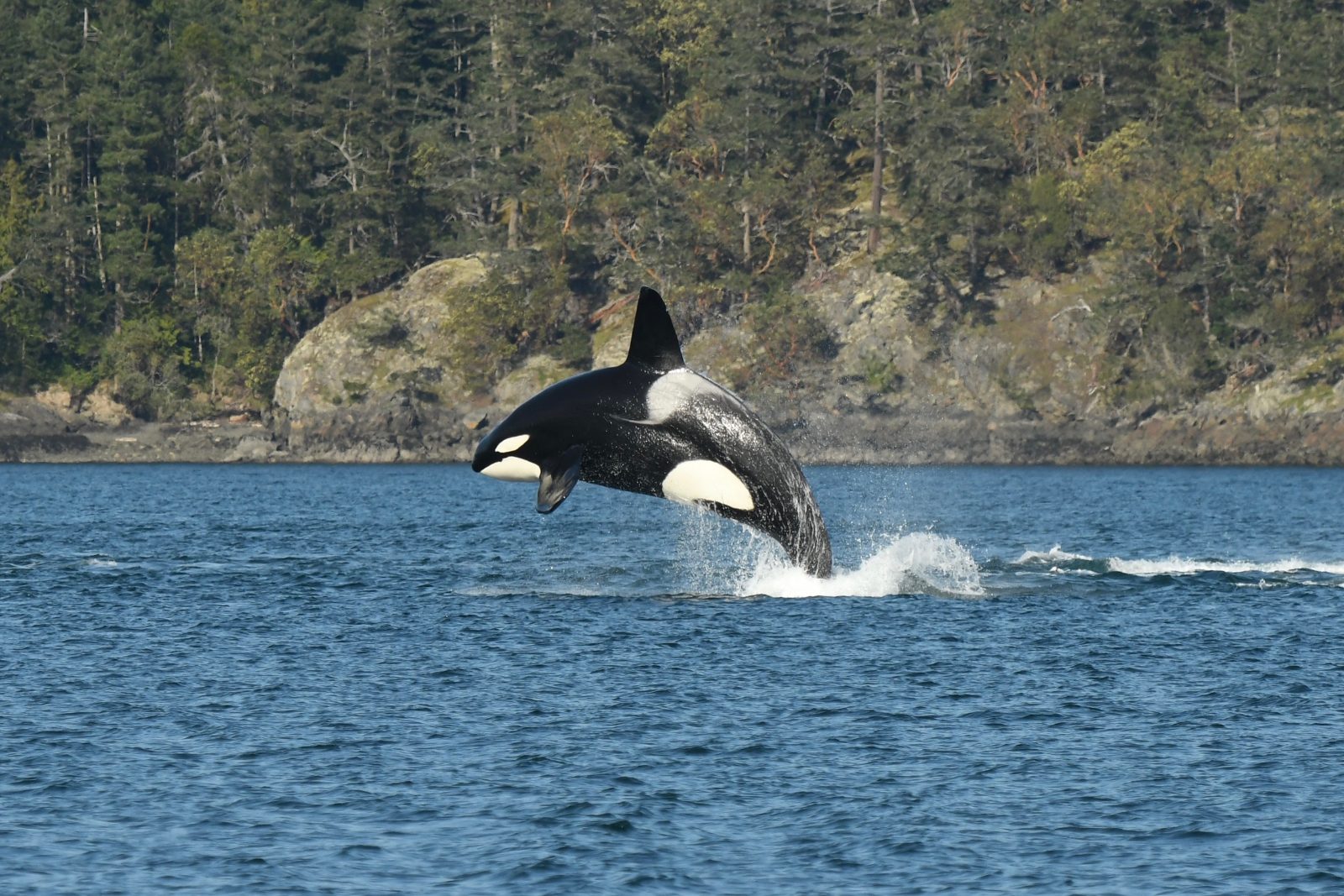
Three genetically distinct orca populations inhabit or transit the Salish Sea, and they do not overlap neatly. Southern Residents—the region's most iconic pod—follow Chinook salmon migrations, concentrating their presence from late spring through early autumn when fish runs peak. Transient orcas, also called Bigg's killer whales, hunt marine mammals year-round and appear unpredictably, though sightings spike in spring when harbor seal pups are vulnerable. Gray whales, by contrast, follow a strict calendar: northbound migrants hug the coastline from March through May, while a small number of individuals known as the "Sounders" remain through summer to feed in shallow bays. Washington's whale watching infrastructure centers on the San Juan Islands, where outfitters operate daily departures during the active months. Shore-based observation is free and increasingly popular at sites like Lime Kiln Point State Park, which offers elevated clifftop views over deep-water channels frequented by orcas. Hydrophone installations at select parks allow visitors to hear echolocation clicks and social calls even when whales remain submerged. The Pacific Whale Watch Association coordinates real-time sighting networks, helping boats and shoreline observers maximize encounter probability without crowding individual pods. Migration timing hinges on prey availability rather than fixed dates. Chinook salmon enter Puget Sound tributaries from May onward, drawing Southern Residents into predictable foraging corridors near the Fraser River outflow and Haro Strait. By late September, salmon runs taper and pods disperse, though some individuals linger into November if food remains abundant. Humpback whales, absent from these waters for decades, have returned in small but growing numbers since the mid-2010s, likely tracking herring and krill blooms that now persist later into autumn due to shifting ocean conditions. Visibility conditions favor summer and early fall. Marine fog dissipates by midday from June through September, and afternoon winds remain light, creating glassy water surfaces that reveal distant blows and dorsal fins. Spring months bring clearer air but rougher seas, while late autumn introduces rain and chop that obscure surface activity. Commercial tours operate from April through October, aligning their schedules with both whale presence and navigable weather windows.
“Three genetically distinct orca populations inhabit or transit the Salish Sea, and they do not overlap neatly.”
Understanding the Washington Whale Watching Season
The peak season for whale watching in the Salish Sea spans from May through September, offering the highest probability of sightings for Bigg's orcas and humpback whales. During these months, migratory patterns and abundant prey populations align to provide consistent viewing opportunities.
Spring (April–May)
ModerateMild, 45°F to 60°F
Bigg's orcas are frequently observed. Gray whales often appear early in the season.
Summer (June–August)
HighWarm, 60°F to 75°F
Peak activity for Bigg's orcas, humpbacks, and minke whales. Stable conditions assist spotting.
Autumn (September–October)
ModerateCool, 50°F to 65°F
Continued sightings of humpback whales as they feed before migration. Fewer visitors on the water.
Verdict: For the most consistent wildlife activity, plan a visit between June and August when marine mammal presence is at its seasonal peak.
Daily Operations for Washington Whale Watching Season Tours
Tours within the Salish Sea region operate on a consistent daily schedule to facilitate wildlife viewing. Services remain available throughout the week to accommodate visitors interested in whale watching.
| monday | 09:00–18:00 | |
|---|---|---|
| tuesday | 09:00–18:00 | |
| wednesday | 09:00–18:00 | |
| thursday | 09:00–18:00 | |
| friday | 09:00–18:00 | |
| saturday | 09:00–18:00 | |
| sunday | 09:00–18:00 |
Cost Considerations for Washington Whale Watching Season Viewing
Costs for observing marine wildlife in the Salish Sea depend on your chosen method of viewing. Shore-based observation requires no admission fees, while commercial boat tours operate under separate pricing structures.
While shore viewing is free, boat tours require commercial tickets that vary in price based on the specific operator and vessel selected.
Arriving for the Washington Whale Watching Season
Whale watching departures for the Salish Sea are primarily centered in hubs like Seattle, Anacortes, and Friday Harbor. Most visitors reach these departure points via a combination of highway travel and the Washington State Ferries system.
I-5 North to Anacortes ferry terminal
Washington State Ferries from Anacortes to Friday Harbor
Amtrak Cascades to Mount Vernon station
WA-20 West to Whidbey Island and Keystone terminal
Preparation Checklist for Washington Whale Watching Season Trips
Prepare for your Salish Sea whale watching trip with these essential steps.
-
Book your tour in advance — Peak season tours fill quickly, especially on weekends.
-
Check marine weather and sea conditions — Rough seas can affect comfort and visibility during your trip.
-
Pack layered clothing and waterproof jacket — Temperatures on the water are cooler and conditions change rapidly.
-
Bring binoculars and a camera — Spot distant whales and capture sightings from the boat deck.
-
Take motion sickness medication if needed — Swells in the Salish Sea can cause discomfort for sensitive passengers.
-
Confirm departure location and boarding time — Tour operators depart from different ports with specific check-in windows.
-
Download a whale identification guide — Recognize orca pods, humpbacks, and gray whales during your outing.
Conduct Rules for the Washington Whale Watching Season
Federal and state regulations mandate minimum approach distances to protect marine mammals during the Salish Sea whale watching season. Vessel operators and shore-based observers must follow strict wildlife protection protocols to minimize disturbance.
Do
- Maintain 200 yards from Southern Resident killer whales and 100 yards from other whales
- Reduce speed to under 7 knots within half a nautical mile of whales
- Report sightings through the Whale Report Alert System to help coordinate safe viewing
- Keep noise levels low and engines at idle when wildlife is nearby
- Stay parallel to whale travel direction, never crossing their path
- Observe from shore-based points when possible to reduce vessel pressure
Don't
- Approach closer than legally mandated distances—federal penalties apply for violations
- Chase, intercept, or position your vessel in the path of traveling whales
- Dispose of any waste or fishing gear in marine habitat
- Use drones within 1,000 feet of marine mammals without proper permits
- Feed or attempt to touch any marine wildlife encountered
- Operate vessels at high speed in designated whale protection zones
Check availability
Common questions about the washington whale watching season
Everything you need to know about washington whale watching season